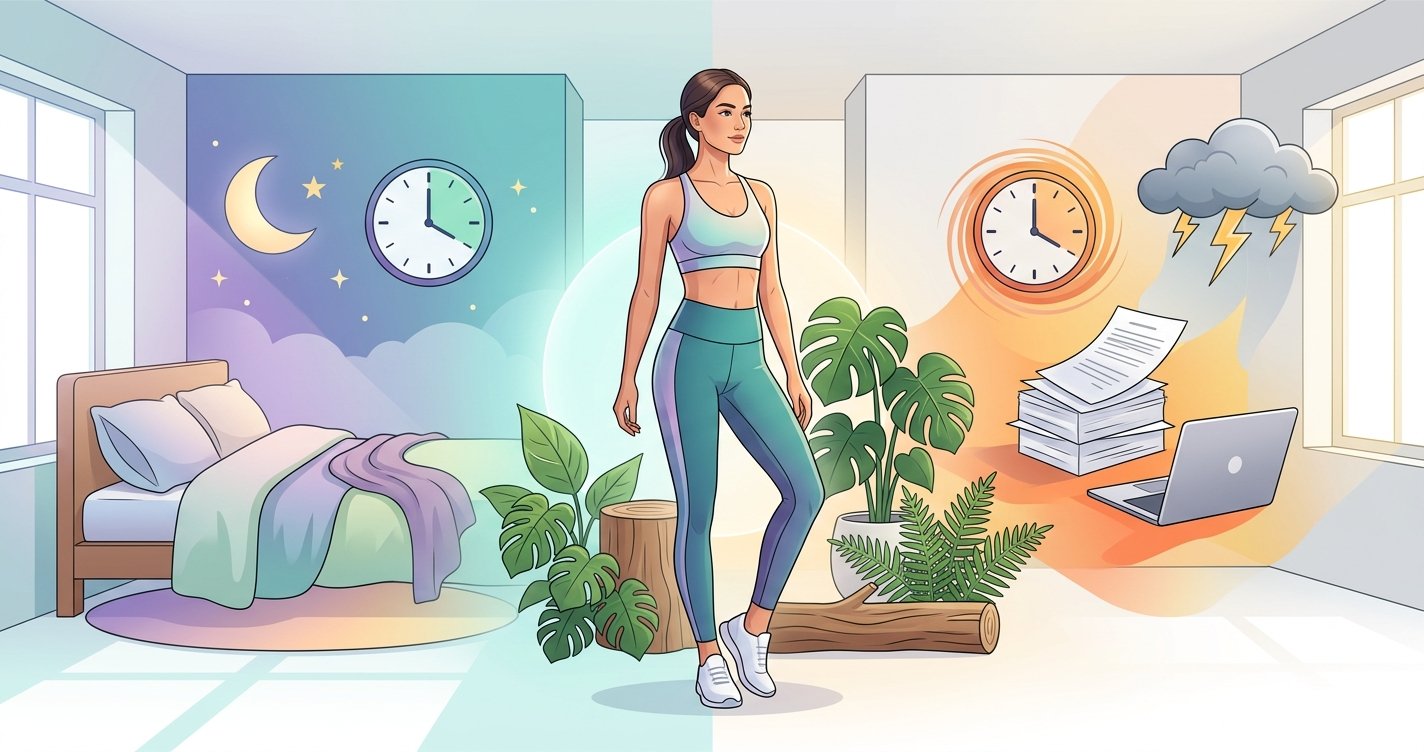
When you picture fat loss, what comes to mind? Likely grueling gym sessions, meticulously portioned meals, and perhaps a stack of kale. And while diet and exercise are undeniably crucial pillars, what if we told you there are two often-overlooked, yet incredibly powerful, factors silently dictating your success? We're talking about sleep and stress.
Many people diligently track their macros and hit the treadmill, only to find themselves stuck on a frustrating plateau. The missing pieces of their fat loss puzzle often lie in the quality of their sleep and their ability to manage daily stress. This isn't just about feeling tired or overwhelmed; it's about a complex interplay of hormones, metabolism, and willpower that can either propel you towards your goals or pull you further away. Let's dive deep into how these silent saboteurs might be working against you and, more importantly, how you can turn them into powerful allies. this excellent wellness product
The Holistic View of Fat Loss: More Than Just Calories In, Calories Out
For decades, the prevailing narrative around fat loss has been a simplistic 'calories in, calories out' equation. While caloric balance is fundamental, it's an oversimplification that ignores the intricate biological systems at play. Your body isn't a calculator; it's a dynamic organism influenced by hormones, neurotransmitters, and your environment. Sleep and stress are two of the most potent environmental factors that can profoundly shift this equation, making fat loss feel like an uphill battle even when your diet and exercise are on point.
Understanding this holistic perspective is key to sustainable, long-term success. It empowers you to look beyond restrictive diets and punishing workouts, focusing instead on optimizing your body's natural ability to burn fat and maintain a healthy weight. Let's start with the often-neglected hero: sleep.
The Unsung Hero: How Sleep Impacts Your Fat Loss Journey
Think of sleep not as a luxury, but as a biological necessity, especially when you're trying to lose fat. When you consistently skimp on sleep, your body interprets this as a form of stress, triggering a cascade of hormonal responses that actively work against your fat loss efforts.
Hormonal Havoc: Ghrelin, Leptin, and Cortisol
- Ghrelin (The Hunger Hormone): Lack of sleep significantly increases ghrelin levels, making you feel hungrier. You're more likely to crave high-calorie, sugary, and fatty foods – exactly the opposite of what you need for fat loss.
- Leptin (The Satiety Hormone): Simultaneously, sleep deprivation decreases leptin, the hormone that tells your brain you're full. This double whammy means you feel hungrier and less satisfied, leading to overeating and increased calorie intake.
- Cortisol (The Stress Hormone): Poor sleep also elevates cortisol, which we'll discuss more in the next section. High cortisol can promote fat storage, particularly in the abdominal area, and break down muscle tissue.
Research consistently backs this up. Studies have shown that individuals sleeping less than 7-8 hours per night consume more calories, especially from unhealthy sources, and have a harder time losing fat, even when on a restricted-calorie diet.
Energy Levels and Exercise Performance
It's simple: if you're tired, your workouts suffer. Lack of sleep saps your energy, reduces your motivation, and impairs your physical performance. You might skip workouts, cut them short, or perform with less intensity, burning fewer calories and building less muscle. Furthermore, recovery from exercise is compromised, potentially increasing your risk of injury and reducing muscle growth, which is vital for a healthy metabolism.
Insulin Sensitivity and Metabolism
Chronic sleep deprivation can also lead to decreased insulin sensitivity. This means your cells become less responsive to insulin, requiring your pancreas to produce more of it. High insulin levels signal your body to store fat, particularly around the midsection, and can make it harder to burn existing fat. Over time, this can contribute to insulin resistance and increase the risk of type 2 diabetes.
Actionable Sleep Tips to Boost Fat Loss:
- Prioritize 7-9 Hours: Aim for consistent sleep duration.
- Create a Bedtime Routine: Wind down with relaxing activities like reading, a warm bath, or light stretching.
- Optimize Your Sleep Environment: Keep your bedroom dark, quiet, and cool.
- Limit Screen Time: Avoid electronics at least an hour before bed. The blue light can disrupt melatonin production.
- Watch Caffeine and Alcohol: Limit intake, especially in the afternoon and evening.
Stress Less, Lose More: The Cortisol Connection
In our fast-paced world, stress has become an unwelcome companion for many. But what does your overflowing inbox or daily commute have to do with your waistline? A lot, actually. Chronic stress is another major player in the fat loss game, largely through its impact on the hormone cortisol.
The Fight-or-Flight Response and Fat Storage
When you encounter a stressor, your body initiates a 'fight-or-flight' response, releasing hormones like adrenaline and cortisol. While this is essential for acute threats, chronic stress keeps cortisol levels elevated. Persistently high cortisol signals your body to conserve energy and store fat, often preferentially around the abdomen (visceral fat), which is particularly detrimental to health.
High cortisol also increases your appetite, especially for comfort foods high in sugar and fat. This often leads to 'stress eating' or emotional eating, where food becomes a coping mechanism rather than fuel, further derailing your fat loss efforts.
Inflammation and Metabolism
Chronic stress also fuels systemic inflammation in the body. Inflammation can disrupt metabolic processes, making it harder for your body to burn fat efficiently. It can also contribute to insulin resistance, creating a vicious cycle where stress, inflammation, and impaired fat metabolism reinforce each other.
Practical Stress Management Techniques for Fat Loss:
- Mindfulness and Meditation: Even 10-15 minutes a day can significantly reduce stress levels. Apps like Calm or Headspace can guide you.
- Regular Physical Activity: Exercise is a powerful stress reliever. Just be mindful not to overtrain, as this can itself be a stressor.
- Deep Breathing Exercises: Simple diaphragmatic breathing can calm your nervous system on demand.
- Connect with Others: Social support is a potent buffer against stress.
- Time Management and Prioritization: Learning to say 'no' and manage your schedule can reduce feelings of overwhelm.
- Hobbies and Relaxation: Dedicate time to activities you enjoy that help you unwind.
Bringing It All Together: A Synergistic Approach to Sustainable Fat Loss
It's crucial to understand that sleep, stress, diet, and exercise don't operate in silos. They are deeply interconnected. When you improve one area, it often has a positive ripple effect on the others. For example, better sleep can lead to more energy for exercise, reduced cravings, and better stress resilience. Lower stress can improve sleep quality and reduce emotional eating.
Instead of viewing fat loss as a battle of deprivation and punishment, consider it an act of self-care and optimization. By nurturing your body with adequate sleep and effective stress management, you're not just improving your chances of losing fat; you're enhancing your overall health, well-being, and quality of life.
Your Path to Sustainable Fat Loss Starts Now
Don't let the complexity overwhelm you. Sustainable fat loss isn't about perfection; it's about consistent, small improvements. Start with one or two actionable tips from the sleep or stress management sections. Maybe it's committing to a consistent bedtime, or practicing 5 minutes of mindful breathing each day. These seemingly small changes can create powerful momentum towards your goals.
Remember, your body is incredibly resilient and eager to find balance. By giving it the rest it needs and managing the stressors of modern life, you're providing a fertile ground for fat loss to occur naturally and sustainably. Embrace this holistic approach, and you'll not only see the numbers on the scale shift, but you'll also feel more energized, calmer, and healthier from the inside out. Your fat loss journey isn't just about what you eat or how you move; it's also profoundly about how you rest and how you respond to life's challenges. Prioritize these often-ignored elements, and watch your progress soar!