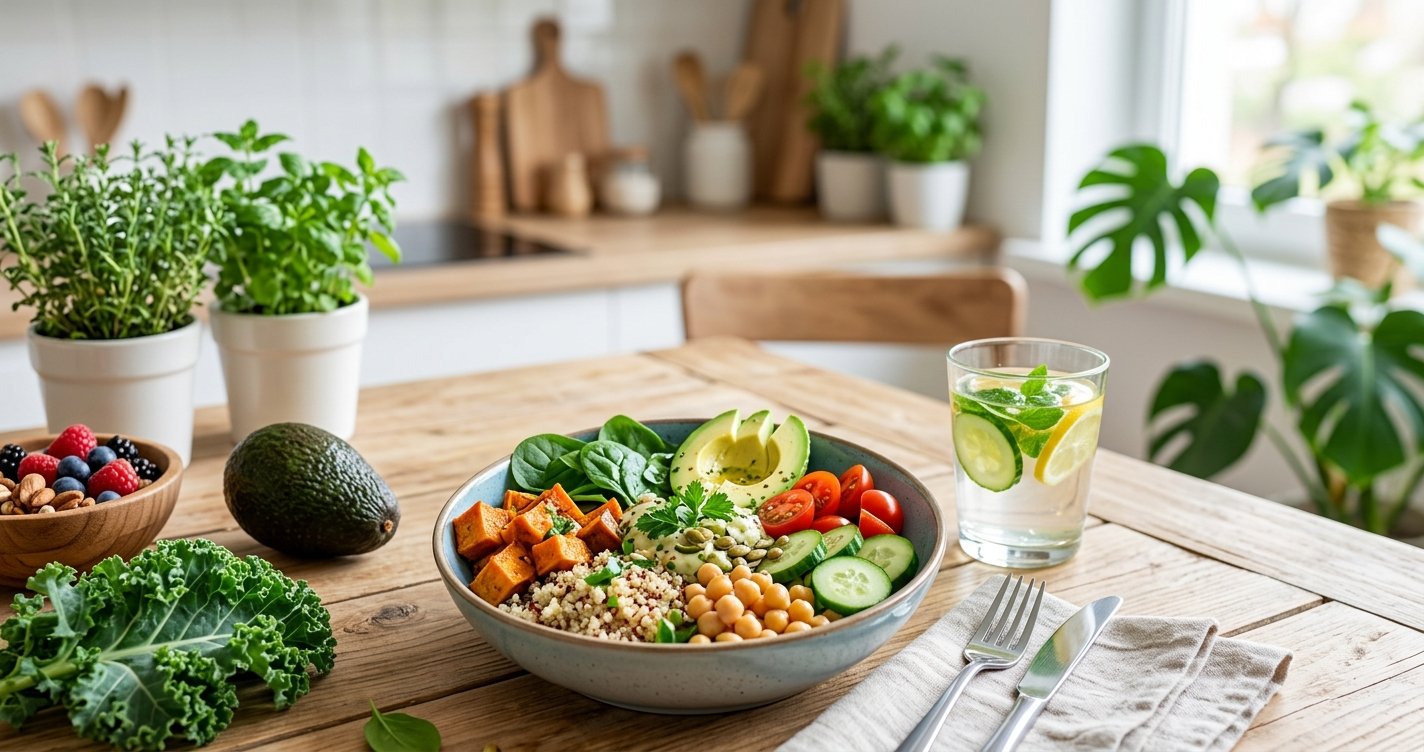
Are you tired of the endless cycle of restrictive diets, quick fixes, and the dreaded weight rebound? Many people equate fat loss with deprivation, bland meals, and constant hunger. But what if there was a better way? A way that focuses on nourishing your body, enjoying your food, and creating sustainable habits that lead to lasting results, not just temporary wins?
This isn't about the latest fad diet. This is about understanding the science of nutrition and applying practical, evidence-based strategies to achieve sustainable fat loss. We'll explore how to fuel your body effectively, optimize your metabolism, and build a positive relationship with food that supports your health goals for the long haul. Get ready to transform your approach to eating and unlock a healthier, happier you! this excellent wellness product
Understanding the Core: The Calorie Deficit (Without Starvation)
At its heart, fat loss boils down to a simple principle: you must consume fewer calories than your body expends. This is known as creating a calorie deficit. However, the mistake many make is pursuing an extreme deficit, which can be counterproductive. Drastic calorie restriction can slow your metabolism, lead to nutrient deficiencies, muscle loss, and make adherence incredibly difficult, often resulting in burnout and rebound weight gain.
The key is a moderate, sustainable calorie deficit. Aim for a deficit of 300-500 calories per day, which can lead to a healthy and sustainable fat loss of 1-2 pounds per week. This approach allows your body to adapt gradually, preserves muscle mass, and keeps your energy levels stable. Instead of obsessively counting every calorie, focus on making smarter food choices that naturally reduce your caloric intake while keeping you feeling full and satisfied.
The Power Players: Protein, Fiber, and Healthy Fats
Not all calories are created equal. The macronutrients you choose – protein, carbohydrates, and fats – play distinct roles in your body, especially when it comes to fat loss. Prioritizing certain macros can significantly impact your satiety, metabolism, and overall success.
Protein: Your Satiety Superpower
Protein is arguably the most crucial macronutrient for fat loss. Here's why:
- High Satiety: Protein keeps you feeling fuller for longer, reducing overall calorie intake. Studies consistently show that higher protein diets lead to greater satiety compared to diets lower in protein.
- Muscle Preservation: When you're in a calorie deficit, there's a risk of losing muscle mass along with fat. Adequate protein intake helps preserve lean muscle, which is metabolically active and crucial for a healthy metabolism.
- Thermic Effect of Food (TEF): Protein has a higher TEF than carbs or fats, meaning your body burns more calories digesting and metabolizing it.
Sources: Lean meats (chicken, turkey, lean beef), fish (salmon, tuna, cod), eggs, dairy (Greek yogurt, cottage cheese), legumes (lentils, beans), and plant-based protein sources (tofu, tempeh, quinoa).
Fiber: The Gut-Friendly Filler
Fiber is a type of carbohydrate that your body can't digest, but it's incredibly beneficial for fat loss:
- Increased Satiety: Fiber adds bulk to your meals, making you feel full without adding many calories. It expands in your stomach and slows down digestion.
- Blood Sugar Control: Soluble fiber helps stabilize blood sugar levels, preventing spikes and crashes that can lead to cravings and overeating.
- Digestive Health: A healthy gut is linked to overall health and can indirectly support weight management.
Sources: Fruits (berries, apples, pears), vegetables (broccoli, spinach, Brussels sprouts), whole grains (oats, brown rice, whole-wheat bread), and legumes.
Healthy Fats: Essential for Hormones and Health
Despite common misconceptions, fats are not the enemy of fat loss. In fact, healthy fats are essential:
- Satiety: Fats are calorie-dense but incredibly satiating. Including healthy fats in your meals can help keep hunger at bay.
- Hormone Function: Fats are vital for hormone production, including those that regulate metabolism and appetite.
- Nutrient Absorption: Many vitamins (A, D, E, K) are fat-soluble, meaning they require fat for proper absorption.
Sources: Avocados, nuts (almonds, walnuts), seeds (chia, flax, pumpkin), olive oil, and fatty fish.
Smart Carb Choices: Fueling Your Body Wisely
Carbohydrates often get a bad rap, but they are your body's primary source of energy. The key is to choose the right kind of carbs:
- Complex Carbohydrates: These are rich in fiber and nutrients, providing a steady release of energy without causing rapid blood sugar spikes. They fuel your workouts, support brain function, and contribute to satiety.
- Refined Carbohydrates: These are stripped of fiber and nutrients (e.g., white bread, sugary snacks), leading to quick energy spikes followed by crashes, and often contribute to fat storage.
Focus on incorporating whole grains, starchy vegetables (sweet potatoes, squash), and fruits into your diet. The timing of your carb intake can also be strategic; consuming more complex carbs around your workouts can optimize energy and recovery.
Hydration and Its Hidden Role in Fat Loss
Water is often overlooked in fat loss strategies, but it plays a critical role:
- Satiety: Drinking water before meals can help you feel fuller, potentially leading to reduced calorie intake.
- Metabolism Boost: Staying well-hydrated supports optimal metabolic function.
- Nutrient Transport: Water helps transport nutrients and oxygen to your cells and removes waste products.
- Prevents Mistaking Thirst for Hunger: Sometimes, what feels like hunger is actually just thirst.
Aim for at least 8 glasses of water a day, and even more if you're active. Swap sugary drinks like sodas and fruit juices for water, unsweetened tea, or coffee to significantly cut down on empty calories.
Mindful Eating: Beyond What's on Your Plate
Fat loss isn't just about what you eat, but also how you eat. Mindful eating is a powerful tool:
- Slow Down: Eat slowly and savor each bite. It takes about 20 minutes for your stomach to signal to your brain that it's full.
- Listen to Your Body: Pay attention to your hunger and fullness cues. Eat when you're hungry, and stop when you're comfortably full, not stuffed.
- Minimize Distractions: Avoid eating in front of the TV, computer, or phone. Focus on your meal.
- Emotional Eating Awareness: Learn to distinguish between physical hunger and emotional hunger. Find alternative coping mechanisms for stress, boredom, or sadness.
Practicing mindful eating helps you build a healthier relationship with food, reduces overeating, and enhances your enjoyment of meals.
Meal Planning and Preparation: Your Secret Weapon
Failing to plan is planning to fail, especially when it comes to nutrition. Meal planning and preparation can dramatically improve your chances of success:
- Reduces Impulsive Choices: When healthy, pre-made meals are ready, you're less likely to grab unhealthy fast food or snacks.
- Portion Control: Preparing your own meals allows you to control portion sizes accurately.
- Saves Time and Money: Batch cooking can save hours during the week and is often more budget-friendly than eating out.
- Ensures Nutrient Intake: You can proactively ensure your meals are balanced with adequate protein, fiber, and healthy fats.
Dedicate a few hours each week to planning your meals and prepping ingredients (chopping veggies, cooking grains, grilling protein). This small investment of time yields huge returns.
The Long Game: Consistency, Patience, and Flexibility
Sustainable fat loss is a journey, not a race. It requires consistency, patience, and a degree of flexibility:
- Consistency is Key: Small, consistent efforts over time yield significant results. Don't aim for perfection; aim for consistency.
- Embrace Non-Linear Progress: Your body isn't a machine. There will be plateaus, fluctuations, and weeks where progress seems slow. This is normal. Stay the course.
- Allow for Flexibility: Strict deprivation often leads to rebellion. Incorporate occasional treats or 'flex meals' in moderation. This makes the overall process more enjoyable and sustainable.
- Focus on Habits, Not Just the Scale: Celebrate non-scale victories like increased energy, better sleep, improved fitness, and clothes fitting better.
Conclusion: Your Path to Lasting Change
Achieving sustainable fat loss isn't about chasing the latest diet trend; it's about adopting an evidence-based approach to nutrition that fuels your body, satisfies your hunger, and supports your overall well-being. By focusing on a moderate calorie deficit, prioritizing protein and fiber, making smart carb and fat choices, staying hydrated, practicing mindful eating, and planning your meals, you're building habits that will serve you for life.
Remember, this is a journey of self-discovery and gradual improvement. Be kind to yourself, celebrate your progress, and stay consistent. You have the power to transform your relationship with food and unlock a healthier, more vibrant you. Start small, make one change today, and watch as those sustainable habits lead to the lasting results you truly desire.