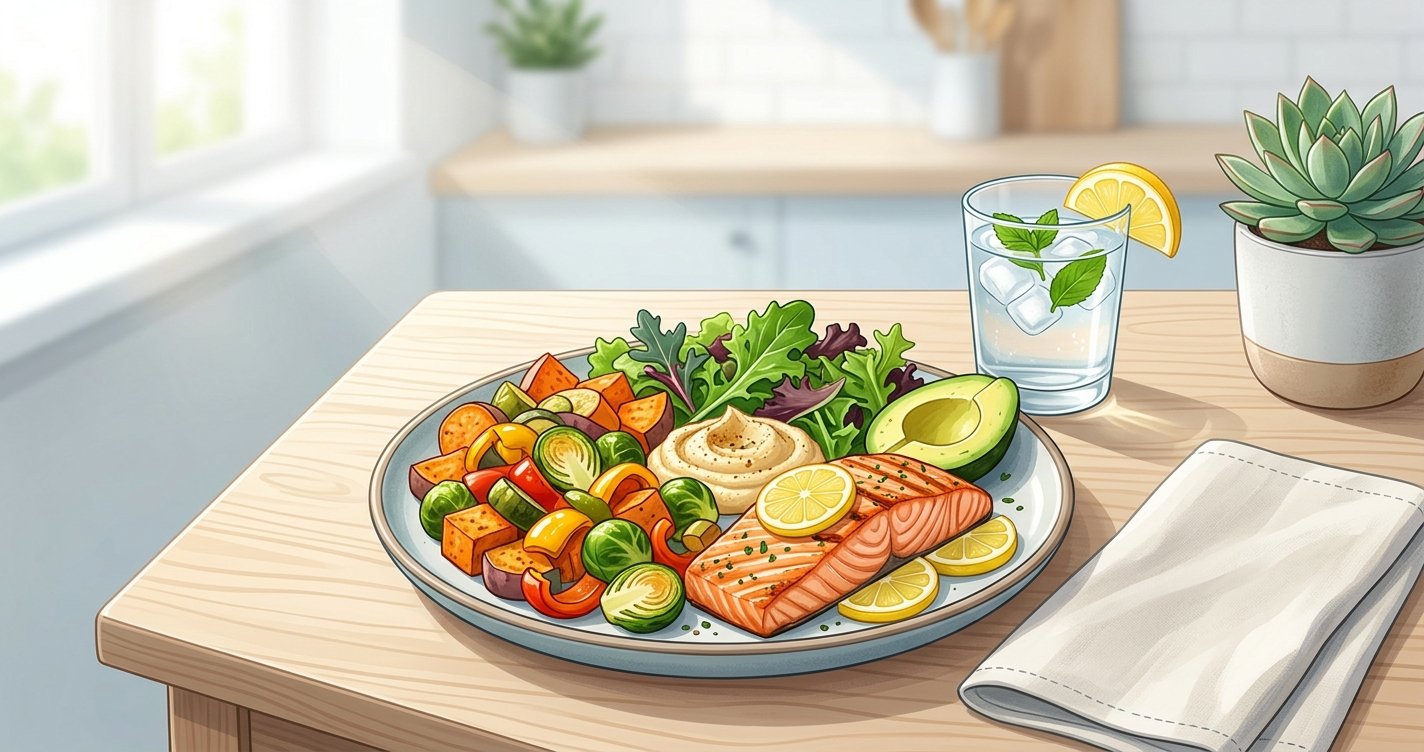
Tired of the endless cycle of restrictive diets, intense workouts, and frustrating plateaus? You're not alone. Many people approach fat loss with an all-or-nothing mindset, leading to burnout and disappointment. But what if there was a smarter, more sustainable way to achieve your goals? The secret lies in understanding and mastering the calorie deficit, not as a punishment, but as a powerful, flexible tool for lasting change.
Fat loss doesn't have to mean feeling constantly deprived or battling insatiable hunger. By adopting an evidence-based, friendly, and encouraging approach, you can create a calorie deficit that works *for* you, aligning with your lifestyle and ensuring long-term success. This guide will empower you with the knowledge and practical strategies to shed fat sustainably, maintain your energy, and cultivate a healthier relationship with food. this excellent wellness product
Unpacking the Calorie Deficit: The Golden Rule of Fat Loss
At its core, fat loss is remarkably simple, though not always easy. It boils down to one fundamental principle: consuming fewer calories than your body expends. This is known as a calorie deficit. Your body needs a certain amount of energy (calories) to perform all its functions, from breathing and thinking to exercising and digesting food. This total energy expenditure is often referred to as your Total Daily Energy Expenditure (TDEE).
When you consistently provide your body with less energy than it needs, it's forced to tap into its stored energy reserves – primarily body fat – to make up the difference. This is how fat loss occurs. There’s no magic pill or secret workout; the calorie deficit is the non-negotiable foundation.
For most people, a modest deficit of 300-500 calories per day is ideal for sustainable fat loss. This typically translates to losing about 0.5 to 1 pound of fat per week. While it might sound slow, this gradual approach is crucial for preserving muscle mass, maintaining energy levels, and preventing the metabolic slowdown often associated with aggressive dieting.
Beyond the Math: Why Sustainability is Your Secret Weapon
Knowing the math is one thing, but living it sustainably is another. Many diets fail not because the calorie deficit principle is flawed, but because the deficit created is too extreme to maintain. When you drastically cut calories, your body responds with increased hunger, fatigue, irritability, and a potential slowdown in metabolism to conserve energy. This makes adherence incredibly difficult and often leads to rebound weight gain.
Sustainable fat loss isn't about quick fixes; it's about building habits that you can comfortably stick with for months and even years. It's about making small, consistent changes that accumulate over time, rather than dramatic overhauls that are destined to fail. Prioritizing sustainability means focusing on nourishing your body, managing hunger, and enjoying the process, rather than enduring it.
Practical Strategies for Creating a Smart Calorie Deficit
Track Smart, Not Hard: Understanding Your Intake
While you don't need to track calories forever, a brief period of tracking can be incredibly insightful. Using a food tracking app for a week or two can help you understand your current eating habits, identify hidden calorie sources, and learn the caloric density of common foods. This awareness is a powerful tool for making informed choices without needing to meticulously log every bite for the rest of your life.
- **How to start:** Choose a reliable app (e.g., MyFitnessPal, Cronometer).
- **Focus on awareness:** Don't obsess over perfection; aim to get a general understanding.
- **Identify easy wins:** Are there high-calorie drinks or snacks you can easily reduce?
Prioritize Protein: Your Satiety Superpower
Protein is your best friend when it comes to fat loss. Research consistently shows that a higher protein intake significantly boosts satiety, meaning you feel fuller for longer. This naturally reduces overall calorie consumption. Furthermore, protein helps preserve lean muscle mass during a calorie deficit, which is vital for maintaining a healthy metabolism.
- **Aim for:** 0.7-1 gram of protein per pound of body weight daily.
- **Sources:** Lean meats (chicken, turkey), fish, eggs, Greek yogurt, cottage cheese, legumes, tofu, protein powder.
- **Incorporate at every meal:** Start your day with protein-rich breakfast, add protein to snacks.
Embrace Fiber-Rich Foods: The Filling Factor
Like protein, dietary fiber plays a crucial role in satiety. Fiber-rich foods, particularly fruits, vegetables, and whole grains, are generally lower in calories but high in volume, helping you feel full without overeating. They also contribute to digestive health and stable blood sugar levels.
- **Load up on:** Leafy greens, broccoli, berries, apples, oats, quinoa, beans.
- **Sneak it in:** Add vegetables to every meal, choose whole fruits over juice.
Hydration Nation: Don't Forget Your Water
Often overlooked, adequate water intake is a simple yet effective strategy for fat loss. Drinking water before meals can help reduce appetite, and sometimes, what feels like hunger is actually thirst. Staying hydrated also supports optimal metabolic function.
- **Aim for:** 8-10 glasses of water daily, more if you're active.
- **Tip:** Keep a water bottle handy and sip throughout the day.
Mindful Eating: Savor Every Bite
In our fast-paced world, eating often becomes a rushed, distracted activity. Mindful eating involves paying attention to your food, savoring its flavors, and listening to your body's hunger and fullness cues. This can prevent overeating and help you appreciate your meals more.
- **Practice:** Eat slowly, chew thoroughly, put your fork down between bites, avoid screens.
- **Tune in:** Distinguish between physical hunger and emotional cravings.
Moving Your Body: Enhancing Your Calorie Burn (Without Overdoing It)
While nutrition is the primary driver of fat loss, physical activity is a powerful complement. Exercise helps you burn additional calories, but more importantly, it helps preserve and build muscle mass, which is metabolically active tissue. The more muscle you have, the more calories your body burns at rest.
Strength Training: Preserve and Build Muscle
Incorporate strength training 2-3 times per week. This isn't just for bodybuilders; it's essential for everyone in a calorie deficit to ensure that the weight you lose is primarily fat, not muscle.
NEAT: Move More, Sit Less
Non-Exercise Activity Thermogenesis (NEAT) refers to the calories burned through everyday movements that aren't formal exercise – walking, standing, fidgeting, taking the stairs. Small increases in NEAT throughout your day can significantly contribute to your overall calorie expenditure.
Cardio for Health and Boost
While not strictly necessary for fat loss if your nutrition is dialed in, cardio can provide an extra calorie burn and offers immense cardiovascular health benefits. Aim for a mix of moderate-intensity and some higher-intensity activities you enjoy.
The Unseen Players: Sleep, Stress, and Hormones
Fat loss isn't just about food and exercise; it's a holistic process influenced by your lifestyle. Poor sleep and chronic stress can wreak havoc on your hormones, making fat loss an uphill battle.
- **Sleep:** Lack of sleep increases ghrelin (the hunger hormone) and decreases leptin (the satiety hormone), making you feel hungrier and less satisfied. Aim for 7-9 hours of quality sleep per night.
- **Stress:** Chronic stress elevates cortisol levels, which can promote fat storage, especially around the abdominal area, and increase cravings for high-calorie comfort foods. Incorporate stress-reducing activities like meditation, yoga, or spending time in nature.
Navigating Plateaus and Staying Motivated
Plateaus are a normal part of any fat loss journey. When you hit one, don't despair! It’s a sign to re-evaluate. Your body adapts, and your TDEE might have slightly decreased as you've lost weight. Consider small adjustments:
- **Re-evaluate:** Re-track your food for a few days, slightly reduce calories further (e.g., another 100-200 kcal), or increase activity.
- **Focus on non-scale victories:** Celebrate increased energy, better sleep, clothes fitting better, improved strength, or a more positive mindset.
- **Patience and consistency:** Fat loss is a marathon, not a sprint. Trust the process and stay consistent with your healthy habits.
Embrace Your Sustainable Fat Loss Journey
Achieving sustainable fat loss is not about perfection; it's about consistency, flexibility, and a deep understanding of what truly works for your body and lifestyle. By mastering the calorie deficit through smart nutrition choices, purposeful movement, and attention to your overall well-being, you can break free from the frustrating cycle of dieting and embrace a path toward lasting health and vitality.
Remember, this is your journey, and it’s about making choices that serve your long-term health and happiness. Be kind to yourself, celebrate your progress, and trust that with these evidence-based strategies, you have everything you need to succeed without ever feeling truly deprived.