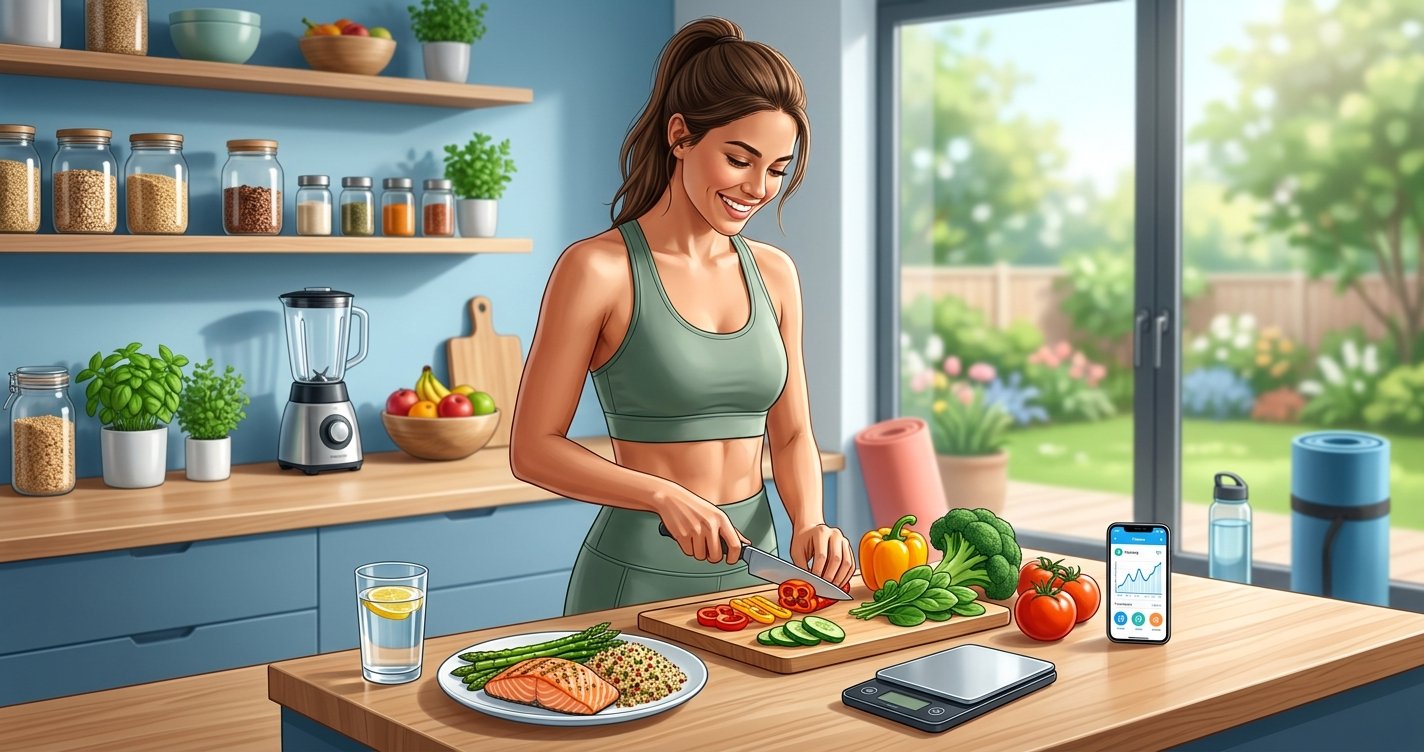
Are you tired of the yo-yo dieting cycle, where quick fixes promise the world but deliver only fleeting results and frustration? You’re not alone. Many embark on a fat loss journey with enthusiasm, only to be derailed by overly restrictive diets or unsustainable strategies. The truth is, while the fundamental principle of fat loss – consuming fewer calories than you burn – is simple, making it sustainable for long-term success requires a smart, evidence-based approach. It’s not about deprivation; it’s about strategic nourishment and understanding your body.
This comprehensive guide will demystify the calorie deficit, showing you how to create one that works for you – a deficit that fuels your body, satisfies your hunger, and supports your overall well-being. We’ll dive into practical, friendly advice that empowers you to shed fat effectively and keep it off, transforming your body and building healthier habits for life. Let's ditch the quick fixes and embrace a journey of lasting change! this excellent wellness product
Understanding the Calorie Deficit: It's Not About Starvation
At its core, fat loss boils down to a calorie deficit. This means you consistently consume fewer calories (units of energy from food) than your body expends each day. When this happens, your body turns to its stored energy reserves – primarily body fat – to make up the difference. While the concept is simple, the execution often gets complicated by myths and misconceptions.
A calorie deficit doesn't mean starving yourself or enduring extreme hunger. In fact, drastic calorie cuts are often counterproductive, leading to nutrient deficiencies, muscle loss, metabolic slowdown, and an inevitable rebound. The goal is to create a moderate, manageable deficit that signals to your body to tap into fat stores while preserving precious muscle mass and maintaining your energy levels. It’s about being smart with your food choices, not just eating less.
Calculating Your Starting Point: TDEE and Deficit Targets
Before you can create a deficit, you need to know your baseline. Your Total Daily Energy Expenditure (TDEE) is the estimated number of calories your body burns in a 24-hour period, taking into account your Basal Metabolic Rate (BMR) – the calories burned at rest – plus the energy expended through physical activity and the thermic effect of food.
Estimating Your TDEE
There are several online calculators that can help you estimate your TDEE (e.g., using formulas like Mifflin-St Jeor or Harris-Benedict). You'll typically input your age, gender, height, weight, and activity level. Be honest about your activity level; most people overestimate how active they truly are. These calculators provide a good starting point, but remember they are estimates, and individual metabolism can vary.
Setting a Realistic Deficit
Once you have an estimated TDEE, you can create your deficit. For sustainable and healthy fat loss, a deficit of 300-500 calories below your TDEE is generally recommended. This typically leads to a fat loss of 1 to 2 pounds per week, which is considered a safe and sustainable rate. A 500-calorie daily deficit, for instance, translates to 3,500 calories per week, which is roughly equivalent to one pound of fat.
- Avoid Drastic Cuts: Going too low (e.g., below 1200 calories for women or 1500 for men) can slow your metabolism, cause nutrient deficiencies, and make adherence incredibly difficult.
- Listen to Your Body: Adjust as needed. If you feel excessively hungry, fatigued, or irritable, your deficit might be too large.
The Pillars of a Sustainable Calorie Deficit: What to Focus On
Creating a deficit isn't just about eating less; it's about eating smarter. The quality of your calories matters immensely, impacting satiety, nutrient intake, and muscle preservation.
Prioritize Protein
Protein is your best friend on a fat loss journey. It's the most satiating macronutrient, meaning it helps you feel fuller for longer, reducing the likelihood of overeating. Protein also has a higher thermic effect of food (TEF) compared to carbs and fats, meaning your body burns more calories digesting it. Crucially, adequate protein intake is vital for preserving muscle mass during a calorie deficit, which helps maintain a healthy metabolism.
- Excellent Sources: Lean meats (chicken breast, turkey), fish (salmon, cod), eggs, Greek yogurt, cottage cheese, legumes (lentils, beans), tofu, and protein powder.
Embrace Fiber-Rich Foods
Fiber is another powerhouse for satiety and overall health. Found abundantly in fruits, vegetables, and whole grains, fiber adds bulk to your meals without adding many calories, helping you feel full. It also aids digestion, stabilizes blood sugar levels, and contributes to gut health.
- Great Sources: Berries, apples, broccoli, spinach, kale, oats, quinoa, chia seeds, flax seeds, lentils, and beans.
Don't Fear Healthy Fats (But Mind Portions!)
While fats are calorie-dense (9 calories per gram compared to 4 for protein and carbs), healthy fats are essential for hormone production, nutrient absorption, and long-term satiety. The key is moderation. A small amount of healthy fat can make your meals more enjoyable and satisfying.
- Smart Choices: Avocados, nuts, seeds, olive oil, fatty fish (salmon, mackerel).
Hydration is Your Secret Weapon
Often overlooked, proper hydration plays a critical role in fat loss. Drinking enough water can help you feel full, sometimes preventing you from mistaking thirst for hunger. It also supports metabolic processes and helps transport nutrients throughout your body.
- Tips: Drink a glass of water before meals, carry a reusable water bottle, and opt for plain water over sugary drinks.
Smart Strategies for Reducing Calories Without Feeling Deprived
Making a calorie deficit feel easy and sustainable is an art. It’s about making smart choices that don't leave you feeling hungry or like you're missing out.
Mindful Eating & Portion Control
Slow down when you eat. Pay attention to your body's hunger and fullness cues. Eating mindfully can prevent overconsumption. Using smaller plates and bowls can also trick your brain into thinking you have a larger portion, and consciously measuring out calorie-dense foods can make a big difference.
Strategic Swaps
Look for opportunities to swap high-calorie, low-nutrient foods for healthier alternatives. For example:
- Swap sugary sodas and juices for water, unsweetened tea, or sparkling water with lemon.
- Choose baked or grilled options over fried foods.
- Replace refined grains with whole grains (brown rice instead of white, whole wheat bread).
- Opt for Greek yogurt instead of sour cream in recipes.
Plan Ahead
Meal prepping or simply planning your meals and snacks in advance can prevent impulsive, unhealthy choices when hunger strikes. Knowing what you're going to eat helps you stay within your calorie targets and ensures you're getting balanced nutrition.
Incorporate Volume Eating
Fill up on low-calorie, high-volume foods, especially non-starchy vegetables. A large salad packed with greens, cucumbers, tomatoes, and bell peppers can be incredibly satisfying for very few calories, leaving less room for calorie-dense foods.
Beyond the Plate: Lifestyle Factors Supporting Your Deficit
Fat loss isn't just about what you eat; your lifestyle plays a huge role in how effective and sustainable your calorie deficit will be.
Move Your Body Regularly
Physical activity increases your TDEE, making it easier to create a calorie deficit. Moreover, strength training is crucial for building and preserving muscle mass, which is metabolically active tissue – meaning it burns more calories at rest than fat does. A combination of strength training and cardiovascular exercise is ideal.
Prioritize Quality Sleep
Lack of sleep can sabotage your fat loss efforts. Poor sleep disrupts hormones that regulate hunger (ghrelin) and satiety (leptin), often leading to increased cravings and a higher calorie intake. It also raises cortisol levels, which can promote fat storage, especially around the abdomen.
Manage Stress Effectively
Chronic stress, like sleep deprivation, can elevate cortisol levels. High cortisol can increase appetite, lead to cravings for high-calorie comfort foods, and encourage fat storage. Finding healthy ways to manage stress – whether through meditation, spending time in nature, hobbies, or social connection – is vital for sustainable fat loss.
Listening to Your Body and Adjusting Along the Way
Your fat loss journey isn't a straight line. There will be plateaus, good days, and challenging days. The key is to be patient, consistent, and flexible.
- Track Progress Beyond the Scale: While the scale is a tool, also pay attention to how your clothes fit, your energy levels, strength gains, and body measurements.
- Be Patient with Plateaus: If your weight loss stalls for a few weeks, don't panic. Re-evaluate your TDEE (as you lose weight, your TDEE decreases), ensure your tracking is accurate, or consider a slight adjustment to your deficit or activity.
- Consider Diet Breaks: For longer fat loss phases, a planned 'diet break' (eating at maintenance calories for 1-2 weeks) can be beneficial for both physical and mental well-being, helping to reset hormones and prevent burnout.
Conclusion
Embarking on a sustainable fat loss journey through a smart calorie deficit is one of the most empowering steps you can take for your health. It’s a journey that moves beyond temporary fixes, focusing instead on building lifelong habits that nourish your body, fuel your energy, and support your overall well-being. By prioritizing protein and fiber, embracing healthy fats in moderation, staying hydrated, and incorporating crucial lifestyle factors like movement, sleep, and stress management, you're not just losing weight – you're gaining health, confidence, and a deeper understanding of your body.
Remember, consistency trumps perfection. Be patient with yourself, celebrate small victories, and embrace the process. This isn't just about reaching a number on the scale; it's about cultivating a healthier, stronger, and happier you. You have the power to make lasting change, one smart choice at a time.