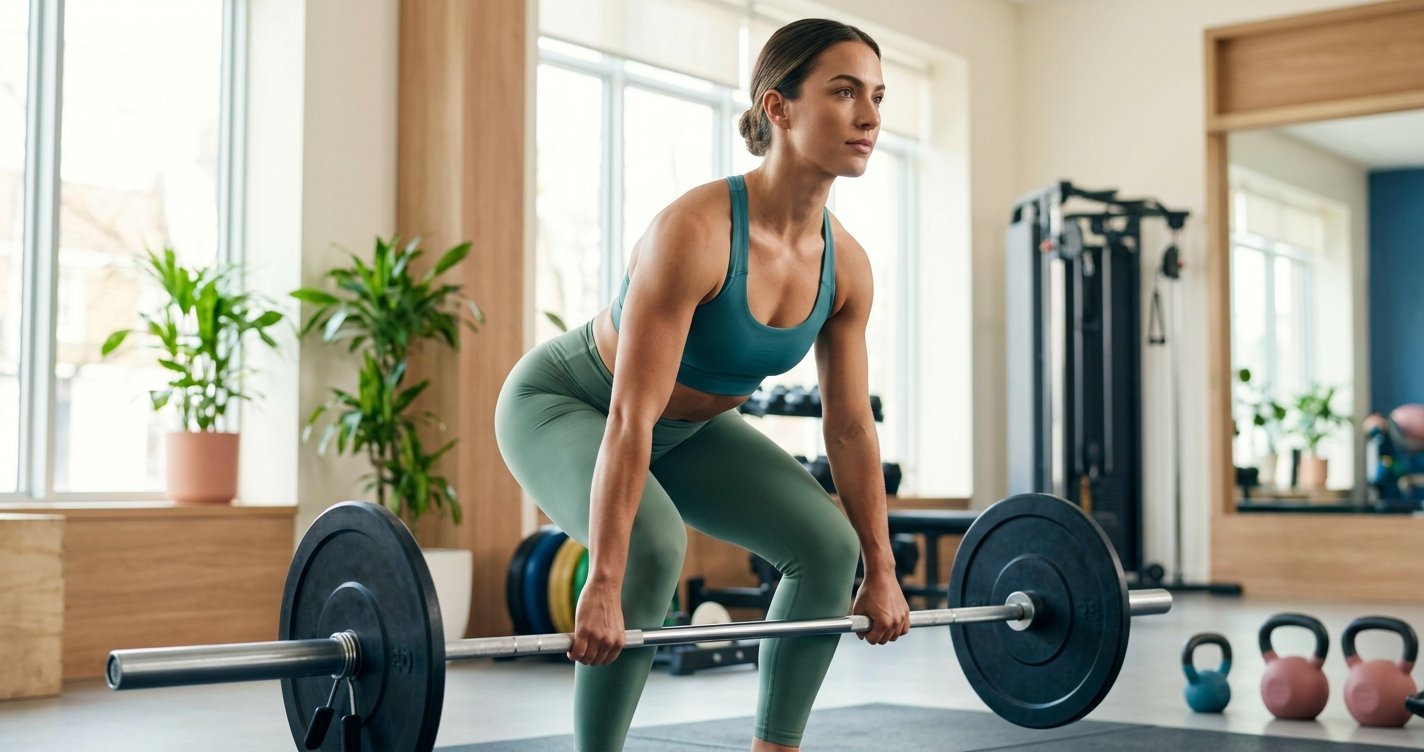
When you picture someone trying to lose fat, what comes to mind? Often, it's endless hours on the treadmill or elliptical, right? For years, cardio has been crowned the undisputed king of fat loss. While it certainly plays a role in overall health, it’s time to reveal the true powerhouse for sustainable, transformative fat loss: strength training. Yes, lifting weights isn't just for bodybuilders or athletes; it's your secret weapon for sculpting a leaner, stronger, and more confident you.
Forget the fear of "bulking up" or the misconception that lifting is just for men. This isn't about becoming a competitive powerlifter (unless you want to!). It's about harnessing the incredible metabolic and body composition benefits that come from challenging your muscles. Ready to discover why strength training is not just effective, but essential for lasting fat loss? Let's dive in! this excellent wellness product
Why Strength Training Trumps Cardio Alone for Fat Loss
While cardio burns calories during the activity, strength training offers a unique, long-lasting metabolic boost that makes it incredibly effective for fat loss. It's not just about what you burn *during* your workout, but what happens *after*.
The "Afterburn Effect" (EPOC)
Ever felt particularly tired or warm hours after a tough weightlifting session? That's your body working overtime! Strength training, especially when intense, creates a significant physiological debt. Your body needs to expend extra energy to recover, repair muscle tissue, and return to its pre-exercise state. This phenomenon is known as Excessive Post-exercise Oxygen Consumption (EPOC), or the "afterburn effect." It means you continue to burn more calories at an elevated rate for up to 24-48 hours post-workout, long after your cardio session has faded from memory. Imagine burning extra calories while you're working, sleeping, or just relaxing – that's the power of EPOC.
Building Muscle, Burning More Calories
This is perhaps the most crucial difference. Muscle tissue is metabolically active, meaning it requires more energy (calories) to maintain than fat tissue, even at rest. The more muscle you build through strength training, the higher your resting metabolic rate (RMR) becomes. A higher RMR means your body naturally burns more calories throughout the day, every day, just to exist. This fundamental change in your metabolism creates a more efficient fat-burning machine, making it easier to maintain a calorie deficit and achieve sustainable fat loss.
Beyond the Burn: Other Incredible Benefits of Lifting
While fat loss might be your primary goal, strength training offers a treasure trove of other benefits that contribute to overall well-being and a healthier, more vibrant life.
Improved Body Composition & Aesthetics
Fat loss isn't just about the number on the scale; it's about how your body looks and feels. Strength training helps you reshape your body by reducing fat and building lean muscle. This leads to a more toned, sculpted physique. You might even notice your clothes fitting better, even if the scale hasn't drastically changed. This is because muscle takes up less space than fat, making you look leaner and firmer.
Stronger Bones, Healthier Joints
Lifting weights isn't just good for your muscles; it's excellent for your bones! The stress placed on your bones during strength training stimulates bone remodeling, leading to increased bone density. This is crucial for preventing osteoporosis as you age. Furthermore, strengthening the muscles around your joints can improve stability, reduce the risk of injury, and alleviate chronic pain.
Boosted Mood & Confidence
The mental benefits of strength training are often overlooked but incredibly powerful. Achieving new personal bests, feeling your body get stronger, and seeing visible changes can significantly boost your self-esteem and confidence. Exercise, in general, is a fantastic stress reliever, and the endorphins released during weightlifting can improve your mood, reduce anxiety, and even help with sleep quality.
Getting Started: Your Strength Training Journey
Ready to embrace the weights? Here’s how to start your journey safely and effectively:
Choosing Your Workouts
- Bodyweight Training: An excellent starting point. Exercises like squats, lunges, push-ups, and planks require no equipment and can be done anywhere.
- Free Weights (Dumbbells, Barbells): Offer versatility and allow for progressive overload. Start with lighter weights to master form.
- Resistance Bands: Portable and great for adding resistance to bodyweight exercises or for specific muscle groups.
- Machines: Good for beginners as they guide your movement, making it easier to learn proper form.
Frequency and Progression
Aim for 2-4 strength training sessions per week, allowing for rest days in between. For each muscle group, try to do 3-4 sets of 8-12 repetitions. The key to continued progress is progressive overload – gradually increasing the challenge over time. This could mean lifting heavier weights, doing more repetitions, adding more sets, or reducing rest time between sets. Your muscles need a reason to adapt and grow!
The Importance of Proper Form
This cannot be stressed enough. Poor form not only reduces the effectiveness of an exercise but significantly increases your risk of injury. If you're new to lifting, consider hiring a certified personal trainer for a few sessions to learn the correct techniques. Watch instructional videos, start with lighter weights, and focus on controlled movements rather than simply moving the weight.
Fueling Your Progress: Nutrition for Strength & Fat Loss
You can't out-train a poor diet. To maximize your fat loss and muscle-building efforts, your nutrition needs to be on point.
Prioritizing Protein
Protein is crucial for muscle repair and growth, especially when you're strength training. It also helps with satiety, keeping you feeling full and reducing cravings. Aim for a good source of lean protein with every meal (chicken, fish, eggs, lean beef, tofu, lentils, Greek yogurt).
Smart Carb and Fat Choices
Don't fear carbs or fats! They are essential for energy and hormone function. Focus on complex carbohydrates (whole grains, fruits, vegetables) for sustained energy, and healthy fats (avocado, nuts, seeds, olive oil) for overall health. The key is balance and portion control within a slight calorie deficit for fat loss.
Common Myths Debunked
Let's bust a couple of common myths that might be holding you back:
- "Women will get bulky": This is perhaps the biggest myth. Women naturally have much lower levels of testosterone than men, making it extremely difficult to build large, bulky muscles without specialized training and dietary interventions. Strength training will lead to a toned, athletic physique, not a bulky one.
- "Cardio is better for fat loss": As we've discussed, while cardio burns calories, strength training offers superior metabolic benefits for long-term, sustainable fat loss and body recomposition. Combining both is often the most effective strategy!
Consistency is Key: Making it a Lifestyle
Like any worthwhile goal, achieving sustainable fat loss through strength training requires consistency and patience. You won't see drastic changes overnight, but with dedication, you will witness incredible transformations in your strength, body composition, and overall well-being. Make strength training a non-negotiable part of your routine, and view it not as a chore, but as an empowering act of self-care.
Embrace the Strength Within You!
It's time to shift your perspective on fat loss and embrace the incredible power of strength training. By challenging your muscles, you're not just burning calories; you're building a more efficient metabolism, sculpting a stronger physique, and boosting your confidence from the inside out. So, ditch the endless cardio, pick up those weights, and start your journey to a leaner, more powerful you!