Feeling stuck in your fat loss journey? You’ve probably spent hours on the treadmill, diligently counting calories, and maybe even tried a restrictive diet or two. While cardio and nutrition play crucial roles, there’s a powerful, often overlooked secret weapon that can revolutionize your results: strength training. Forget the myth that lifting weights is just for bodybuilders; it’s one of the most effective, sustainable, and empowering ways to burn fat, sculpt your body, and boost your metabolism.
In this comprehensive guide, we'll dive deep into why strength training is a game-changer for fat loss, how to get started safely and effectively, and how to fuel your body for optimal results. Get ready to ditch the endless cardio sessions and embrace a more efficient, enjoyable, and sustainable path to a leaner, stronger you! this excellent wellness product
Beyond the Treadmill: Why Strength Training is Your Fat Loss Secret Weapon
When most people think of fat loss, they picture endless hours of cardio. While beneficial for cardiovascular health, cardio alone isn't always the most efficient path to long-term fat loss. Strength training, on the other hand, offers a unique set of advantages that directly target fat reduction and body composition improvement.
The Metabolism Magic: How Muscle Burns More Calories
Here’s the fundamental truth: muscle is metabolically active tissue. This means that muscle burns more calories at rest than fat does. Imagine your body as an engine; the more muscle you have, the bigger and more efficient your engine becomes, burning more fuel (calories) even when you’re just sitting still. Building muscle through strength training effectively raises your Basal Metabolic Rate (BMR), making your body a more efficient fat-burning machine 24/7, not just during your workout.
EPOC: The Afterburn Effect You Can't Ignore
Ever felt thoroughly drained after a challenging strength workout? That's your body working hard! Strength training creates a significant demand on your body, leading to something called Excess Post-exercise Oxygen Consumption (EPOC), often referred to as the “afterburn effect.” After a heavy lifting session, your body continues to burn calories at an elevated rate for hours, sometimes even up to 48 hours, as it recovers, repairs muscle tissue, and restores its energy stores. This post-workout calorie burn is significantly higher with strength training compared to steady-state cardio, giving you an extra edge in your fat loss efforts.
Sculpt Your Body: More Than Just Weight Loss
While the scale might show a slower drop initially (because you're building muscle!), strength training delivers incredible body composition changes. You're not just losing weight; you're losing fat and simultaneously building lean muscle. This means you'll look firmer, more toned, and often smaller in your clothes, even if the number on the scale hasn't drastically changed. This is the power of body recomposition – changing your fat-to-muscle ratio for a healthier, more aesthetic physique.
Getting Started: Your Beginner's Guide to Lifting for Fat Loss
Ready to pick up some weights but not sure where to start? Don't worry! Strength training is accessible to everyone, regardless of experience level. The key is to start smart and focus on foundational principles.
Essential Exercises: Compound Movements Are Your Best Friend
To maximize your fat loss efforts and build functional strength, prioritize compound movements. These are exercises that involve multiple joints and muscle groups working together. They are incredibly efficient because they recruit more muscle fibers, burn more calories, and stimulate a greater hormonal response than isolation exercises (like bicep curls).
- Squats: Works glutes, quads, hamstrings, core.
- Deadlifts (or RDLs): Targets glutes, hamstrings, back, core.
- Overhead Press: Engages shoulders, triceps, upper back, core.
- Bench Press (or Push-ups): Works chest, shoulders, triceps.
- Rows (e.g., Dumbbell Rows, Barbell Rows): Strengthens back, biceps.
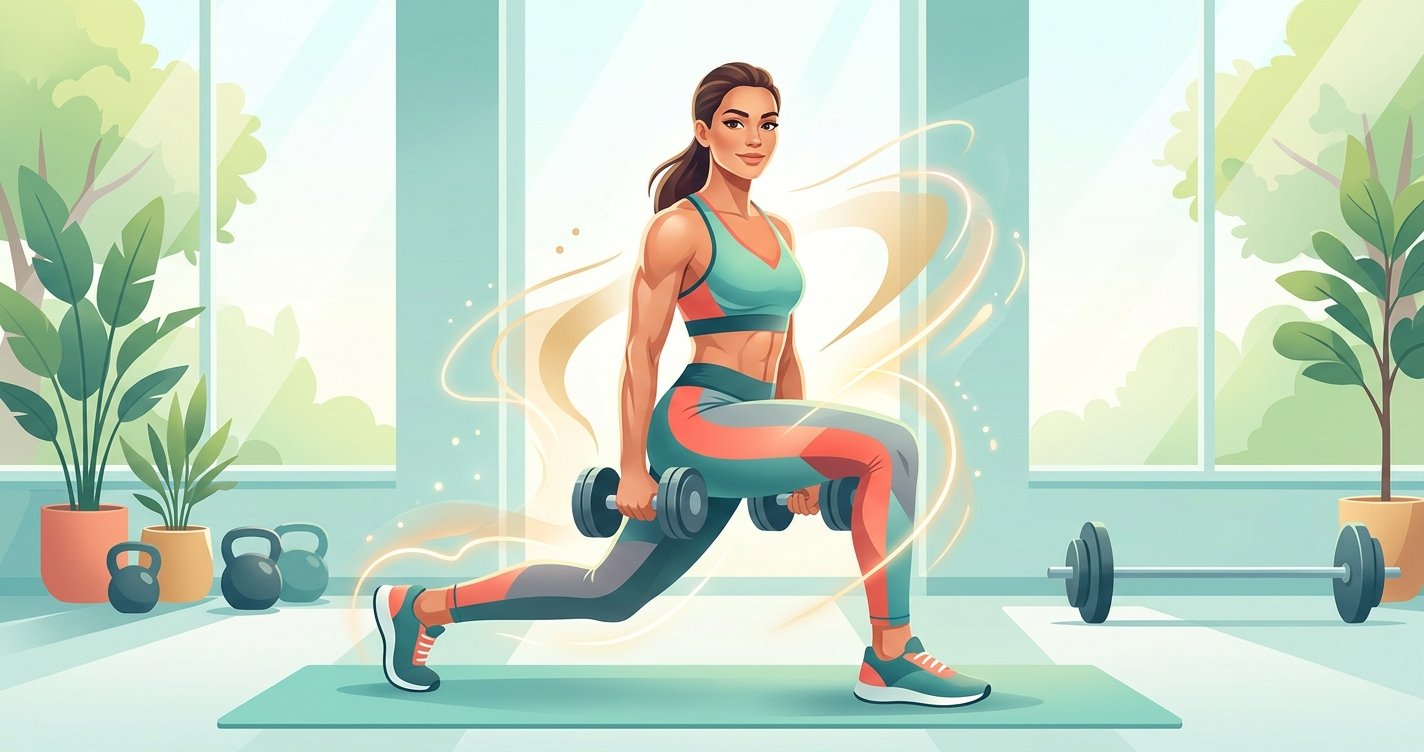
- Lunges: Improves leg strength and balance.
Reps, Sets, and Progressive Overload: Making Gains That Count
For fat loss and muscle building, a common recommendation is to aim for 3-4 sets of 8-12 repetitions per exercise, with adequate rest (60-90 seconds) between sets. The most crucial concept in strength training is progressive overload. This means you must continually challenge your muscles to grow stronger. As you get stronger, you need to gradually increase the demand by:
- Increasing the weight.
- Doing more repetitions with the same weight.
- Doing more sets.
- Decreasing rest time between sets.
- Improving your exercise form.
Without progressive overload, your muscles won't have a reason to adapt and grow, and your results will plateau.
Form Over Everything: Protect Your Body, Maximize Results
Proper form is paramount. Lifting too heavy with bad form is a recipe for injury and ineffective workouts. Start with lighter weights to master the movement pattern, then gradually increase the load. If you’re unsure, consider hiring a certified personal trainer for a few sessions to teach you the basics and ensure your technique is correct. There are also countless high-quality instructional videos online.
Fueling Your Progress: Nutrition for Strength Training and Fat Loss
You can't out-train a bad diet. Nutrition is the other half of the fat loss equation. When strength training, your nutritional needs shift slightly to support muscle repair and growth, even while aiming for a calorie deficit for fat loss.
Protein Power: The Building Block of Muscle
Protein is your best friend when it comes to fat loss and muscle building. It's essential for repairing muscle tissue damaged during workouts, and it's highly satiating, helping you feel fuller for longer and reducing cravings. Aim for 0.7-1 gram of protein per pound of body weight (or 1.6-2.2 grams per kilogram) daily, spread throughout your meals.
- Lean meats (chicken, turkey, beef)
- Fish (salmon, tuna, cod)
- Eggs
- Dairy (Greek yogurt, cottage cheese)
- Legumes (beans, lentils)
- Protein powders (whey, casein, plant-based)
Smart Carbs and Healthy Fats: Energy and Essential Nutrients
Don't fear carbohydrates! They are your body's primary energy source, crucial for fueling intense workouts and aiding recovery. Focus on complex carbohydrates that provide sustained energy and fiber:
- Whole grains (oats, brown rice, quinoa, whole-wheat bread)
- Fruits and vegetables
- Sweet potatoes
Healthy fats are also vital for hormone production, nutrient absorption, and overall health. Include sources like:
- Avocado
- Nuts and seeds
- Olive oil
- Fatty fish
To lose fat, you still need to be in a modest calorie deficit. Combine your strength training with a balanced diet that prioritizes protein, includes smart carbs, and healthy fats, and ensures you're eating slightly fewer calories than you burn.
The Mindset Shift: Consistency, Patience, and Celebrating Non-Scale Victories
Fat loss isn't a linear journey, and it certainly doesn't happen overnight. Embracing strength training requires a shift in perspective – away from quick fixes and towards sustainable, long-term health and strength.
Embracing the Journey: It's a Marathon, Not a Sprint
Consistency is key. Aim for 2-4 strength training sessions per week, allowing for rest days between workouts. Don't get discouraged by slow progress; your body needs time to adapt, build muscle, and lose fat. Patience is a virtue here. Stick with it, even when motivation wanes, and trust the process.
Beyond the Scale: Measuring Real Progress
The scale can be a deceptive mistress. Because you're building muscle while losing fat, the number might not always move as quickly as you'd expect, or it might even stay the same for a while. This is why it's crucial to look beyond the scale and celebrate other indicators of progress:
- Increased strength: Are you lifting heavier, doing more reps, or improving your form?
- Improved body composition: How do your clothes fit? Are you seeing more muscle definition?
- Energy levels: Do you feel more energetic throughout the day?
- Mood and confidence: Are you feeling stronger, more empowered, and more positive?
- Measurements: Taking circumference measurements (waist, hips, arms) can show changes the scale won't.
- Progress photos: Visual comparisons can be incredibly motivating!
Ready to Get Stronger and Leaner?
Strength training is more than just a workout; it's an investment in your long-term health, vitality, and confidence. By embracing the power of lifting, you're not just burning fat; you're building a stronger metabolism, sculpting a more resilient body, and fostering a healthier relationship with your fitness journey. It’s challenging, it’s rewarding, and it’s incredibly effective.
So, lace up your shoes, grab those weights, and start your journey to becoming the strongest, leanest version of yourself. Your body will thank you!
Disclaimer: Always consult with a healthcare professional or certified personal trainer before starting any new exercise program, especially if you have underlying health conditions.