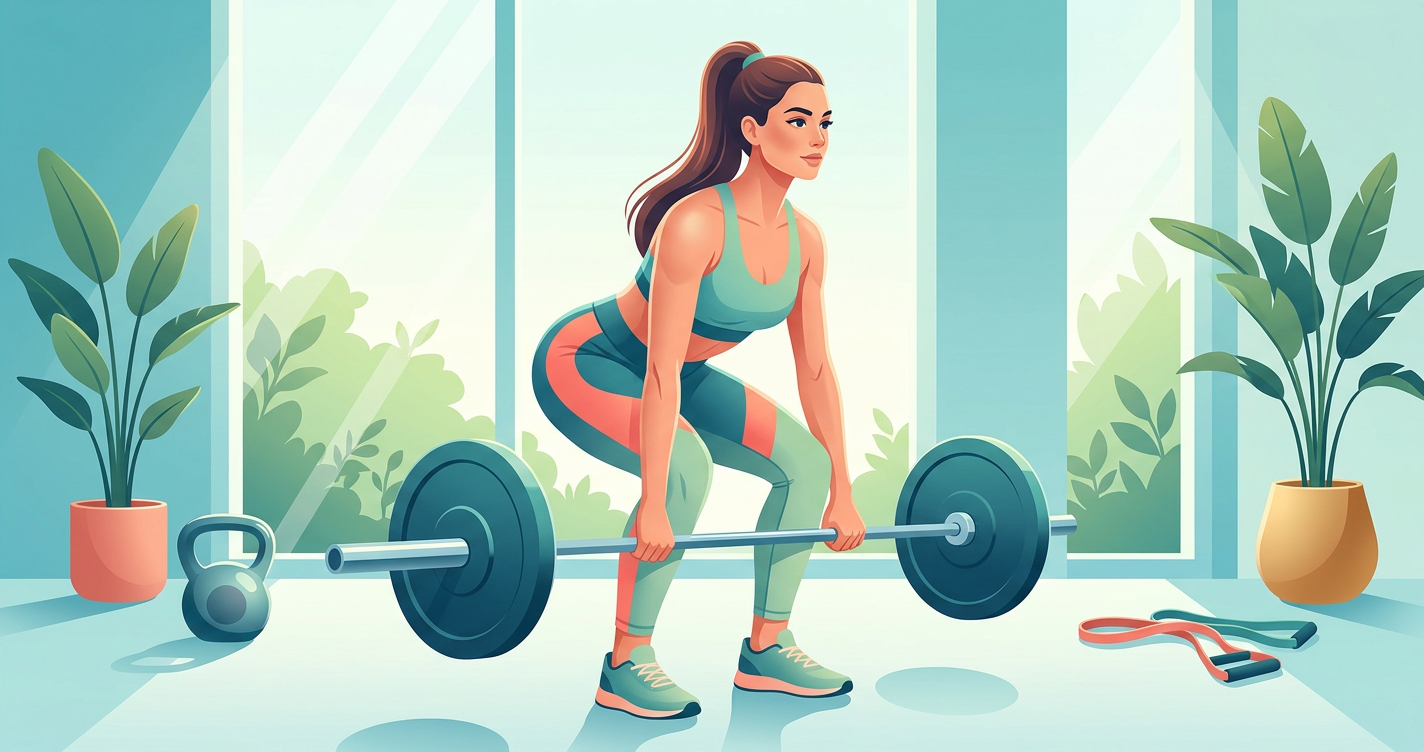
Unlock Your Fat Loss Potential: Why Strength Training is Your Secret Weapon
When you picture 'fat loss,' what's the first thing that comes to mind? For many, it's endless hours on the treadmill, sweating it out in a cardio class, or perhaps a restrictive diet. While these certainly play a role, there's a powerful, often overlooked player that can truly revolutionize your body composition and make fat loss not just effective, but sustainable: strength training.
Forget the misconception that lifting weights is just for bodybuilders or elite athletes. Strength training is for everyone, regardless of age, gender, or current fitness level. It's a fundamental pillar of health and fitness, especially when your goal is to shed unwanted body fat and build a strong, resilient physique. In this comprehensive guide, we'll dive deep into why strength training is a game-changer for fat loss, backed by evidence, and how you can seamlessly integrate it into your routine for lasting results. this excellent wellness product
Beyond the Scale: How Strength Training Transforms Your Body
The scale can be a tricky friend. While it measures your overall weight, it doesn't tell the full story of your body composition. You could be losing weight but also losing valuable muscle, which isn't ideal for long-term health or a leaner look. Strength training changes this narrative by focusing on building and preserving muscle mass, which is key to truly transforming your body.
Why Muscle Matters for Fat Loss
Think of your muscles as your body's metabolic engine. The more muscle you have, the more calories your body burns, even at rest. This is a crucial advantage over cardio alone:
- Boosted Resting Metabolic Rate (RMR): Muscle tissue is metabolically active, meaning it requires more energy to maintain than fat tissue. By increasing your muscle mass, you naturally increase your RMR, turning your body into a more efficient fat-burning machine 24/7.
- Enhanced Post-Exercise Calorie Burn (EPOC): After a challenging strength training session, your body continues to burn calories at an elevated rate for hours as it recovers and repairs muscle tissue. This phenomenon, known as Excess Post-exercise Oxygen Consumption, or EPOC, adds significantly to your overall calorie expenditure.
- Improved Body Composition: While cardio primarily helps you lose weight (a mix of fat and muscle), strength training helps you lose fat while preserving or even building muscle. This leads to a leaner, more toned physique, even if the number on the scale doesn't drastically change. You'll look and feel stronger, with improved shape and definition.
- Better Insulin Sensitivity: Regular strength training can improve your body's sensitivity to insulin, which helps regulate blood sugar levels and can reduce fat storage, particularly around the midsection.
- Preservation of Muscle During a Calorie Deficit: To lose fat, you generally need to be in a calorie deficit (eating fewer calories than you burn). Without strength training, a deficit can lead to muscle loss alongside fat loss. Lifting weights signals to your body that this muscle is important and needs to be retained, prioritizing fat for fuel.
Getting Started: Your Strength Training Blueprint for Fat Loss
Ready to pick up some weights? Here’s how to build an effective strength training routine:
Frequency and Consistency are Key
Aim for 2-4 strength training sessions per week. Consistency is more important than intensity in the beginning. Start with 2-3 full-body workouts and gradually increase as you get stronger and more comfortable.
Focus on Compound Movements
Compound exercises are your best friends for fat loss because they work multiple muscle groups and joints simultaneously, burning more calories and building more overall strength. Examples include:
- Squats: Barbell squats, goblet squats, bodyweight squats
- Deadlifts: Conventional deadlifts, sumo deadlifts, Romanian deadlifts
- Presses: Overhead press, bench press, push-ups
- Rows: Barbell rows, dumbbell rows, pull-ups (assisted if needed)
- Lunges: Forward lunges, reverse lunges, walking lunges
Sets, Reps, and Progressive Overload
- For hypertrophy (muscle growth) and strength, aim for 3-4 sets of 6-12 repetitions per exercise. Choose a weight that challenges you to complete the last few reps with good form.
- Progressive Overload: This is the cornerstone of strength training. To keep getting stronger and building muscle, you need to continually challenge your muscles. This means gradually increasing the weight you lift, the number of reps, the number of sets, or decreasing your rest time over time. Without progressive overload, your body has no reason to adapt and grow.
- Proper Form: Always prioritize proper form over lifting heavy weights. Incorrect form can lead to injuries and less effective workouts. If you're unsure, watch instructional videos, consult a certified trainer, or start with lighter weights to master the movement.
Integrating Nutrition for Optimal Results
Strength training is incredibly powerful, but it works best when paired with smart nutrition. Remember, you can't out-train a poor diet!
- Maintain a Moderate Calorie Deficit: To lose fat, you still need to consume slightly fewer calories than you burn. However, avoid extreme deficits, which can hinder muscle growth and recovery.
- Prioritize Protein: Protein is crucial for muscle repair and growth, especially when you're lifting weights. Aim for 0.7-1 gram of protein per pound of body weight to support your muscle and keep you feeling full.
- Don't Fear Carbs and Healthy Fats: Carbohydrates fuel your workouts and aid recovery, while healthy fats are essential for hormone production and overall health. Focus on whole, unprocessed foods.
- Hydration: Drink plenty of water throughout the day. It's vital for metabolic processes, nutrient transport, and overall performance.
Common Myths & Misconceptions Debunked
Let's tackle some common fears that might be holding you back:
- “Women Will Get Bulky”: This is perhaps the biggest myth! Women generally lack the high levels of testosterone needed to build significant muscle mass quickly. Instead, strength training will help you develop a toned, lean, and athletic physique, not a bulky one.
- “Cardio is Better for Fat Loss”: While cardio burns calories during the workout, strength training provides a more sustained metabolic boost and helps you build the muscle that burns more calories 24/7. The most effective approach often combines both!
- “You Need to Lift Heavy Every Day”: Overtraining can lead to injury and burnout. Your muscles need time to recover and grow. Stick to your 2-4 sessions per week and ensure you get adequate rest.
Making it Sustainable: Tips for Long-Term Success
Fat loss is a journey, not a destination. Here’s how to make strength training a lasting part of your lifestyle:
- Start Small and Build Up: Don't try to do too much too soon. Begin with a manageable routine and gradually increase intensity and volume.
- Find What You Enjoy: If you hate what you're doing, you won't stick with it. Experiment with different types of strength training (free weights, machines, bodyweight, CrossFit, powerlifting) until you find something you genuinely enjoy.
- Listen to Your Body: Pay attention to signs of fatigue or pain. Rest days are just as important as training days.
- Track Your Progress: Keep a workout log. Seeing how much stronger you're getting, how many more reps you can do, or how much weight you've added is incredibly motivating and reinforces the power of progressive overload.
- Be Patient: Results take time. Fat loss and muscle gain are gradual processes. Celebrate small victories and stay consistent.
Embrace the Strength Within You
Strength training isn't just about changing your body; it's about empowering yourself. It builds confidence, resilience, and a deep appreciation for what your body can do. By making strength training a cornerstone of your fat loss journey, you're not just losing fat; you're building a stronger, healthier, and more capable version of yourself.
So, step away from the endless cardio, embrace the weights, and start lifting your way to sustainable fat loss and a truly transformed you. Your body (and your metabolism) will thank you!