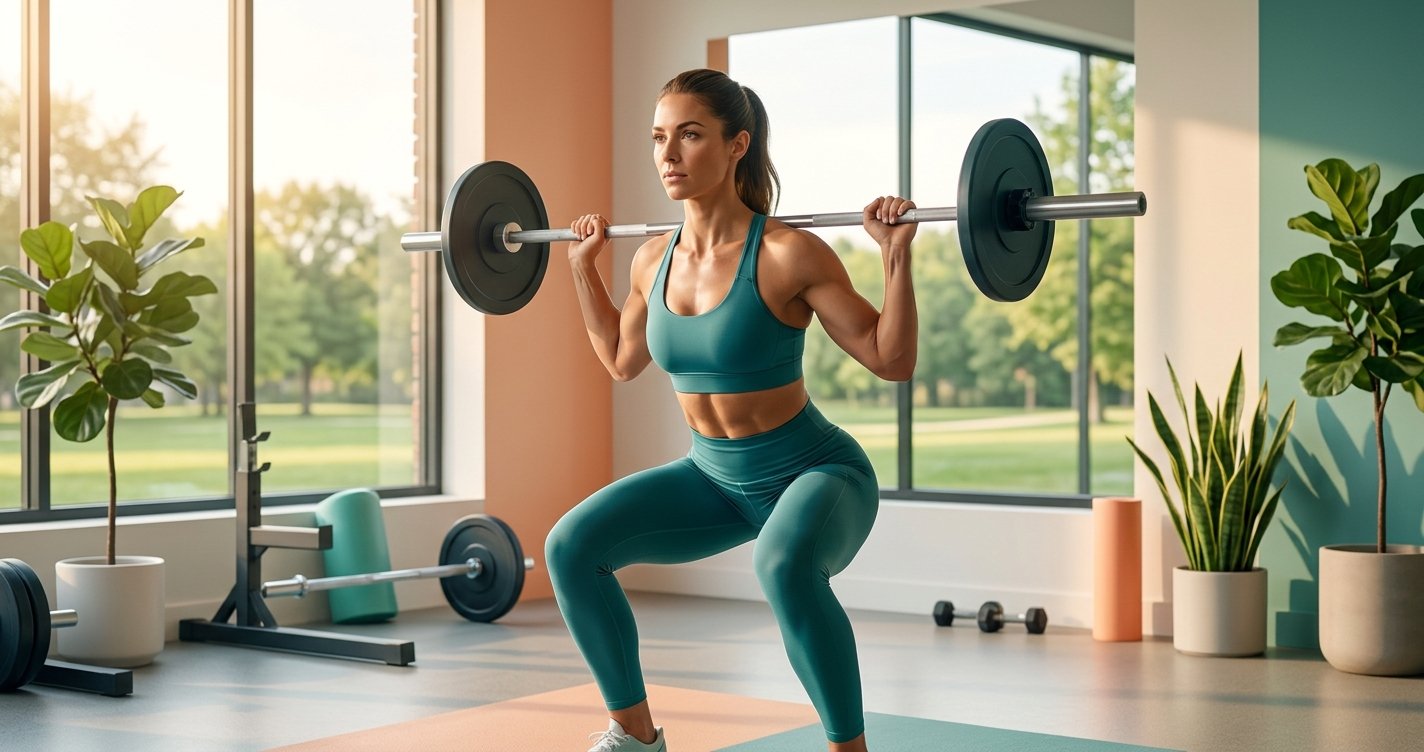
When you think about fat loss, what's the first thing that comes to mind? For many, it's endless hours on the treadmill, sweating through cardio sessions, or perhaps strict diets. While these methods certainly have their place, there's a powerful, often overlooked player in the fat loss game that deserves far more attention: strength training. It's not just for bodybuilders or athletes; it's a game-changer for anyone looking to shed unwanted fat, sculpt their body, and build a healthier, stronger self for the long run. Let's dive into why lifting weights is your secret weapon for sustainable fat loss, backed by solid evidence and a friendly push to get started!
Beyond the Burn: Why Strength Training Trumps Cardio for Metabolic Impact
Cardio burns calories during your workout, and that's great. But strength training offers a unique, long-lasting metabolic boost that can significantly accelerate your fat loss journey. It’s about more than just the calories you burn while lifting; it’s what happens after. this excellent wellness product
The Afterburn Effect (EPOC)
After a challenging strength training session, your body doesn't just immediately revert to its resting state. Instead, it enters a phase known as Excess Post-exercise Oxygen Consumption (EPOC), often called the 'afterburn effect.' During EPOC, your body continues to burn extra calories as it works to repair muscle tissue, restore energy stores, and return to homeostasis. This elevated metabolic rate can last for up to 24-48 hours post-workout, meaning you're burning more calories even when you're resting, sleeping, or working!
Building Your Internal Furnace: Muscle Mass and Metabolism
Here's the real magic: muscle tissue is metabolically active. This means that even at rest, your muscles are constantly burning calories to maintain themselves. The more muscle mass you have, the higher your resting metabolic rate (RMR) will be. Think of it like this: your body is a car, and muscle is a bigger engine. A bigger engine burns more fuel just to idle. While the difference per pound of muscle isn't astronomical, over time, and with significant muscle gain, this can translate to burning hundreds of extra calories per day without doing anything extra. This makes strength training an incredibly efficient strategy for long-term fat loss, as it fundamentally changes how your body uses energy.
Strength Training: Your Secret Weapon for Body Recomposition
Many people focus solely on the number on the scale. However, true progress in fat loss often involves something more nuanced: body recomposition. This is the process of simultaneously losing fat and gaining muscle. When you only focus on weight loss without strength training, you risk losing valuable muscle mass along with fat. This can leave you 'skinny fat' – lighter, but still lacking tone and potentially with a higher body fat percentage than desired.
- Improved Body Shape: By building muscle, you can sculpt your physique, creating curves where you want them and a more toned appearance.
- Increased Firmness: Muscle gives your body shape and firmness, preventing the 'jiggly' look that can sometimes come with just losing weight.
- Enhanced Confidence: Seeing your body transform not just in size, but in strength and definition, is incredibly empowering and motivating.
Strength training ensures that the weight you lose is predominantly fat, while the muscle you gain helps define your figure and boost your metabolic engine.
Practical Steps: How to Incorporate Strength Training into Your Routine
Ready to start lifting? It's easier than you think! Consistency and proper form are key.
Getting Started: The Basics
- Frequency: Aim for 2-4 strength training sessions per week. This allows for adequate muscle stimulation and recovery.
- Compound Movements: Prioritize exercises that work multiple muscle groups at once. Think squats, deadlifts, bench presses, overhead presses, and rows. These are efficient and highly effective for building overall strength and muscle.
- Progressive Overload: This is the fundamental principle of strength training. To keep getting stronger and building muscle, you need to continually challenge your muscles. This can mean lifting heavier weights, doing more repetitions, increasing sets, or improving your exercise form over time.
- Proper Form: Always prioritize good form over heavy weight. Watch instructional videos, consider a session with a certified trainer, or use lighter weights initially to master the movement patterns.
Equipment Options
You don't need a fancy gym membership to start. Here are some options:
- Gym: Access to a wide range of free weights (dumbbells, barbells), machines, and often trainers.
- Home: Dumbbells, resistance bands, kettlebells, and even your own body weight (push-ups, squats, lunges, planks) can provide an excellent workout.
Sample Routine Ideas for Beginners (2-3 times/week, full body)
Perform 3 sets of 8-12 repetitions for each exercise, resting 60-90 seconds between sets.
- Squats (Goblet Squats or Bodyweight Squats)
- Push-ups (on knees or toes) or Dumbbell Bench Press
- Dumbbell Rows
- Overhead Press (Dumbbell or Resistance Band)
- Plank (hold for 30-60 seconds)
- Lunges (alternating legs)
Fueling Your Gains: Nutrition and Recovery for Optimal Results
Strength training is only half the battle. To truly maximize your fat loss and muscle gain, your nutrition and recovery must be on point.
- Protein Power: Protein is essential for muscle repair and growth. Aim for 0.7-1 gram of protein per pound of body weight daily. Good sources include lean meats, poultry, fish, eggs, dairy, legumes, and protein supplements. Protein also helps with satiety, which is crucial for managing calorie intake.
- Calorie Deficit (but not too extreme): To lose fat, you generally need to consume fewer calories than you burn. However, an overly aggressive deficit can hinder muscle growth and recovery. Aim for a moderate deficit (250-500 calories below maintenance) for sustainable results.
- Hydration: Drink plenty of water throughout the day. It's vital for all bodily functions, including metabolism and nutrient transport.
- Sleep is Non-Negotiable: Your muscles grow and repair when you're resting, not when you're lifting. Aim for 7-9 hours of quality sleep per night. Poor sleep can also disrupt hormones like ghrelin and leptin (hunger hormones) and increase cortisol (stress hormone), making fat loss more challenging.
Busting Myths and Embracing the Journey
Let's address some common misconceptions that might be holding you back:
- Myth: "Women will get bulky." This is perhaps the biggest myth! Women naturally have far less testosterone than men, making it extremely difficult to build large, 'bulky' muscles without specific, intense training regimens and often dietary interventions not typical for general fitness. Instead, you'll likely achieve a toned, strong, and lean physique.
- Myth: "I'm too old to start." It's never too late to start strength training! Studies show that older adults can significantly improve their strength, bone density, and muscle mass, reducing the risk of falls and maintaining independence.
- Myth: "It's just for aesthetics." While the aesthetic benefits are great, strength training also improves bone density, joint health, posture, balance, and reduces the risk of chronic diseases. It's truly a foundation for overall health.
Embrace the process. Focus on consistency, celebrate non-scale victories (like lifting heavier, feeling stronger, or clothes fitting better), and be patient. Sustainable fat loss and body transformation take time.
Conclusion: Lift Your Way to a Stronger, Leaner You!
Strength training is far more than just a way to build muscle; it's a powerful, evidence-based strategy for sustainable fat loss, body recomposition, and overall health. By boosting your metabolism, preserving muscle during weight loss, and sculpting your physique, it offers benefits that traditional cardio alone simply cannot match.
So, put down the idea that endless cardio is the only path. Pick up those weights, challenge your body, and discover the incredible power of strength training. You'll not only shed fat but also build confidence, improve your health, and create a stronger, leaner, and more resilient version of yourself. Start your lifting journey today – your body will thank you!