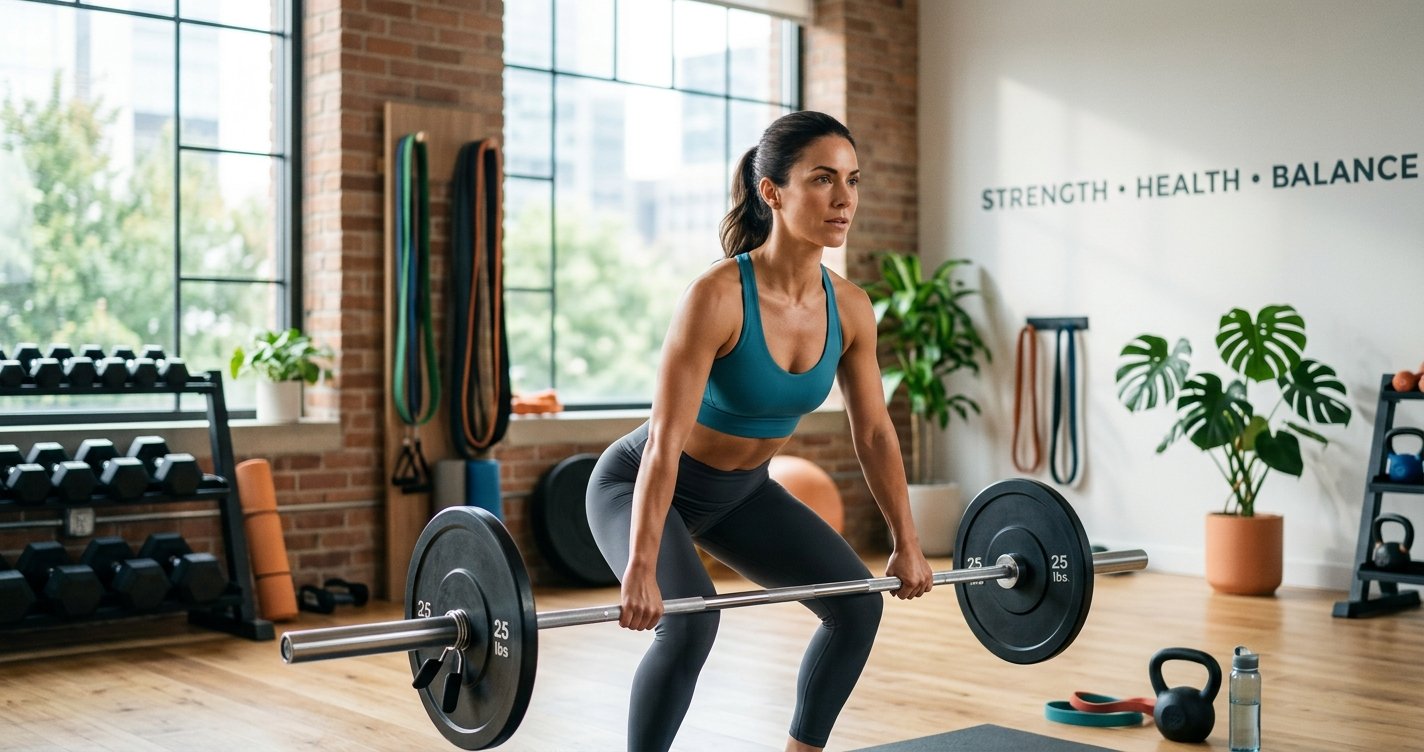
When it comes to fat loss, many of us immediately think of endless hours on the treadmill or restrictive diets. While cardio and nutrition are undoubtedly important pieces of the puzzle, there's a powerful, often underestimated tool that can truly transform your body composition and accelerate your fat loss journey: strength training. It’s not just for bodybuilders or athletes; it’s for anyone looking to build a healthier, leaner, and stronger physique. This guide will dive into the science-backed benefits of lifting weights for fat loss, helping you move beyond the scale and embrace a more sustainable, empowering approach.
Why Strength Training is Your Fat Loss Secret Weapon
Forget the myth that strength training only 'bulks you up.' For most people, especially women, building significant muscle mass requires specific training protocols, dietary intake, and often, hormonal advantages. What strength training does do for everyone is create a metabolic powerhouse that burns fat more efficiently, even at rest. this excellent wellness product
The 'Afterburn' Effect (EPOC)
Have you ever felt tired and sweaty long after a challenging workout? That's partly due to a phenomenon called Excess Post-exercise Oxygen Consumption (EPOC), often referred to as the 'afterburn' effect. Unlike steady-state cardio, which primarily burns calories during the activity itself, intense strength training causes your body to continue burning calories at an elevated rate for hours, and sometimes even days, post-workout. This is because your body needs extra oxygen to recover, repair muscle tissue, and return to its pre-exercise state.
Rev Up Your Resting Metabolism
Here's where strength training truly shines for sustainable fat loss. Muscle tissue is metabolically far more active than fat tissue. This means that the more muscle you have, the higher your Basal Metabolic Rate (BMR) will be. Your BMR is the number of calories your body burns at rest, just to maintain basic functions like breathing, circulation, and cell production. By increasing your muscle mass through strength training, you essentially turn your body into a more efficient, calorie-burning machine 24/7, making it easier to achieve and maintain a calorie deficit necessary for fat loss.
The Science-Backed Benefits: How Muscle Burns More
Beyond the immediate post-workout burn, the long-term metabolic adaptations from strength training are profound:
- Increased Insulin Sensitivity: Regular strength training can improve your body's sensitivity to insulin. This means your cells become more efficient at absorbing glucose from your bloodstream, reducing the likelihood of it being stored as fat and helping to stabilize blood sugar levels.
- Improved Body Composition: While the scale might not always show drastic changes, strength training fundamentally alters your body composition. You're losing fat and gaining muscle, leading to a leaner, more toned physique. This is why progress photos and how your clothes fit are often better indicators of success than just your weight.
- Enhanced Bone Density: Lifting weights places stress on your bones, prompting them to adapt and become stronger. This is crucial for long-term health, especially as we age, reducing the risk of osteoporosis.
- Better Functional Strength and Quality of Life: Being stronger makes everyday tasks easier, improves balance, and can significantly enhance your overall quality of life and independence as you get older.
Crafting Your Effective Strength Training Program for Fat Loss
To maximize your fat loss results, your strength training program should be structured intelligently. Focus on consistency, progressive overload, and proper form.
Key Principles:
- Compound Movements: These exercises work multiple muscle groups and joints simultaneously, leading to a greater calorie burn and more efficient muscle building. Think squats, deadlifts, bench presses, overhead presses, and rows.
- Frequency: Aim for 3-4 strength training sessions per week. This allows for adequate recovery while providing enough stimulus for muscle growth.
- Intensity and Volume: Challenge yourself! Lift weights that allow you to complete 8-12 repetitions with good form, but where the last few reps feel very difficult. As you get stronger, gradually increase the weight, reps, or sets (progressive overload).
- Mix It Up: Incorporate a variety of exercises using free weights (dumbbells, barbells), machines, and even bodyweight.
A Sample Full-Body Routine (3x per week):
- Warm-up: 5-10 minutes of light cardio and dynamic stretches.
- Workout:
- Squats: 3 sets of 8-12 reps
- Dumbbell Bench Press: 3 sets of 8-12 reps
- Barbell Rows: 3 sets of 8-12 reps
- Overhead Press: 3 sets of 8-12 reps
- Plank: 3 sets, hold for 30-60 seconds
- Cool-down: 5-10 minutes of static stretching.
Remember to rest 60-90 seconds between sets.
Fueling Your Progress: Nutrition's Crucial Role
While strength training is powerful, it cannot out-train a poor diet. Nutrition is paramount for fat loss and muscle growth. Here’s how to fuel your body effectively:
- Moderate Calorie Deficit: To lose fat, you still need to consume fewer calories than you burn. However, a drastic deficit can hinder muscle growth and energy levels. Aim for a sustainable deficit of 300-500 calories below your maintenance.
- Prioritize Protein: Protein is essential for muscle repair and growth, and it's highly satiating, helping you feel full and reduce cravings. Aim for 1.6-2.2 grams of protein per kilogram of body weight daily (e.g., lean meats, poultry, fish, eggs, dairy, legumes, protein powder).
- Don't Fear Carbs: Complex carbohydrates (whole grains, fruits, vegetables) provide the energy you need for intense workouts and replenish muscle glycogen stores. Time your carb intake around your workouts.
- Healthy Fats are Key: Include healthy fats (avocado, nuts, seeds, olive oil) for hormone production and overall health.
- Hydration: Drink plenty of water throughout the day. It's crucial for metabolism, performance, and satiety.
- Whole Foods Focus: Emphasize whole, unprocessed foods. They are nutrient-dense and generally more filling than processed alternatives.
Beyond the Gym: Lifestyle Factors for Holistic Fat Loss
Your fat loss journey extends beyond your workouts and meals. Lifestyle factors play a significant role in your success.
- Adequate Sleep: Aim for 7-9 hours of quality sleep per night. Lack of sleep can disrupt hormones that regulate appetite (ghrelin and leptin), increase cortisol (stress hormone which can promote fat storage), and impair muscle recovery.
- Stress Management: Chronic stress can elevate cortisol levels, making fat loss more challenging, especially around the midsection. Incorporate stress-reducing activities like meditation, yoga, spending time in nature, or hobbies you enjoy.
- Consistency and Patience: Fat loss is not a linear process. There will be ups and downs. Consistency with your training and nutrition, coupled with patience, is vital for long-term success. Celebrate small victories and focus on the journey.
Common Myths Debunked & Getting Started Safely
Myth: Women Will Get Bulky Lifting Weights
This is perhaps the biggest misconception. Women typically have significantly lower levels of testosterone than men, making it much harder to build large amounts of muscle without specific training, diet, and potentially other aids. Strength training will lead to a more toned, athletic, and strong physique, not a bulky one.
Getting Started Safely:
- Learn Proper Form: Before increasing weight, master the correct form for each exercise. Watch videos, use mirrors, and consider hiring a certified personal trainer for a few sessions to teach you the basics.
- Start Light: There's no shame in starting with lighter weights or even just your body weight. Focus on feeling the muscles work.
- Listen to Your Body: Don't push through sharp pain. Rest when needed, and don't be afraid to modify exercises.
The Mindset for Sustainable Fat Loss
Embracing strength training for fat loss isn't just about physical changes; it's about a shift in mindset. You're moving from a focus on deprivation and punishment to one of empowerment, strength, and self-care. You're building a body that is not only leaner but also more capable, resilient, and healthy from the inside out.
Celebrate your non-scale victories – the extra rep you completed, the heavier weight you lifted, the clothes that fit better, the increased energy you feel, and the improved confidence you exude. These are the true markers of progress on your journey to a stronger, leaner, and healthier you.