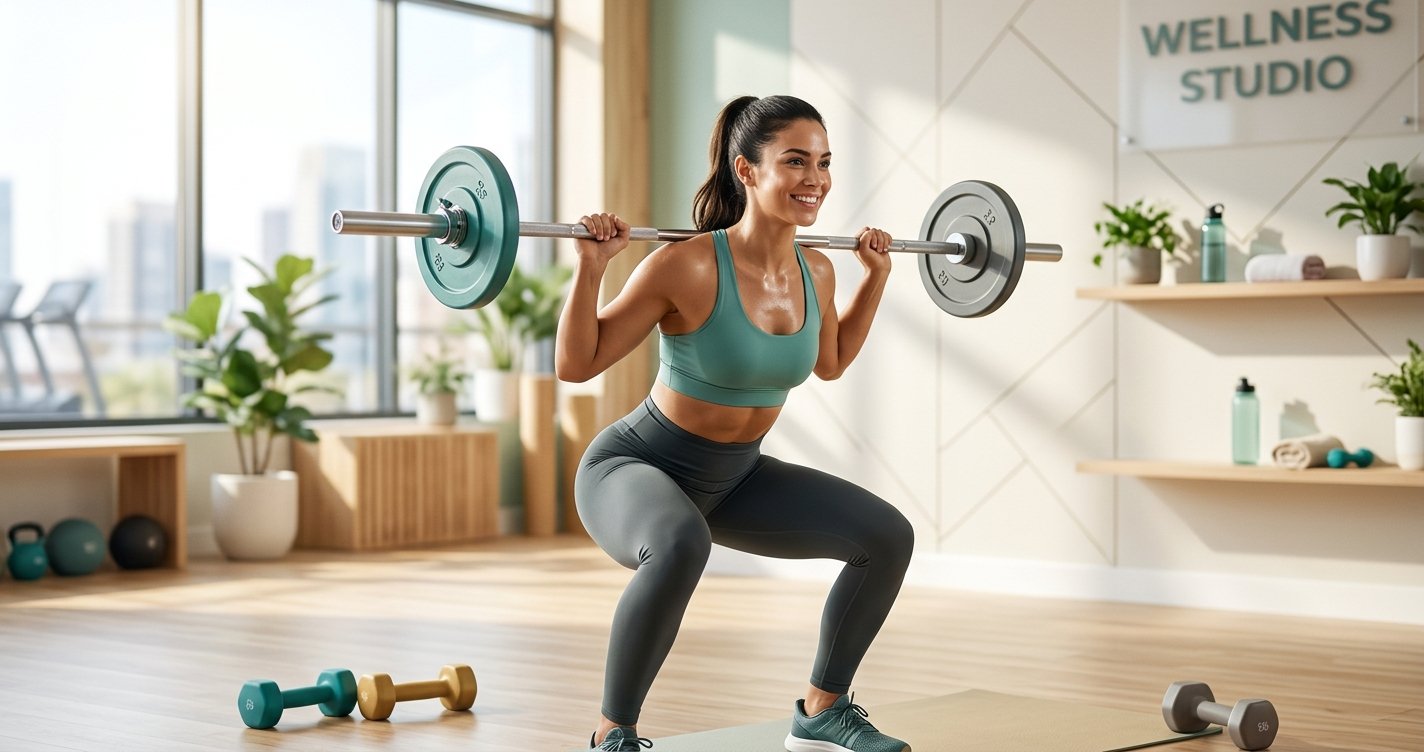
When you think about fat loss, what’s the first thing that comes to mind? For many, it’s endless hours on the treadmill or restrictive diets. While cardio and nutrition are undoubtedly important pieces of the puzzle, there’s a powerful, often underestimated tool that can revolutionize your fat loss journey: strength training. Forget the misconception that lifting weights is just for bodybuilders or bulking up. For anyone looking to shed body fat, sculpt a leaner physique, and boost their overall health, strength training is a game-changer.
This isn't just about looking good; it's about building a stronger, healthier, and more metabolically active you. In this comprehensive, evidence-based guide, we’ll dive deep into why strength training is a cornerstone of sustainable fat loss, how to integrate it effectively into your routine, and debunk some common myths along the way. Get ready to embrace the weights and unlock a more powerful version of yourself! this excellent wellness product
Beyond the Scale: Why Muscle Matters for Fat Loss
Often, when we embark on a fat loss journey, our sole focus is on the number on the scale. While that number can provide some feedback, it doesn't tell the whole story. Body composition – the ratio of fat to lean muscle mass – is a far more accurate and empowering metric. And here's where strength training truly shines.
The Metabolic Advantage: Burning Calories at Rest
One of the most significant benefits of building muscle is its impact on your metabolism. Muscle tissue is metabolically active, meaning it burns more calories at rest than fat tissue. Think of your muscles as tiny internal furnaces. The more muscle you have, the more calories your body naturally expends throughout the day, even when you're just sitting on the couch or sleeping. This phenomenon is known as increasing your Basal Metabolic Rate (BMR), making it easier to create the calorie deficit necessary for fat loss without overly restricting your diet.
Reshaping Your Body Composition
Strength training doesn't just help you burn fat; it helps you build and retain muscle. This is crucial for achieving that 'toned' or 'sculpted' look many desire. While fat loss reduces your overall size, muscle building fills out your frame, giving your body definition and shape. You might even find that your clothes fit better and you look leaner, even if the scale hasn't drastically changed, because you've shifted your body composition in a positive way.
The Science-Backed Benefits of Lifting for Fat Loss
Let's delve into the scientific mechanisms that make strength training such an effective fat loss strategy.
Increased EPOC (Excess Post-exercise Oxygen Consumption)
When you perform an intense strength training workout, your body continues to burn calories at an elevated rate long after you've left the gym. This is known as EPOC, or the 'afterburn effect.' Unlike steady-state cardio, which primarily burns calories during the activity itself, strength training causes significant metabolic disruption. Your body needs extra oxygen to recover, repair muscle tissues, and restore physiological processes, which translates to continued calorie expenditure for hours, or even days, post-workout.
Hormonal Optimization
Strength training can positively influence key hormones related to fat loss and muscle growth. It can boost levels of growth hormone and testosterone (in both men and women, within healthy ranges), which are vital for building muscle and burning fat. Furthermore, regular resistance training can improve insulin sensitivity, meaning your body becomes more efficient at using glucose for energy rather than storing it as fat. This is particularly beneficial for managing blood sugar and reducing the risk of conditions like Type 2 diabetes.
Preserving Muscle During Calorie Deficit
To lose fat, you generally need to be in a calorie deficit (consuming fewer calories than you burn). However, without proper stimulus, your body can sometimes break down muscle tissue for energy along with fat. Strength training signals to your body that your muscles are important and need to be preserved. When combined with adequate protein intake, lifting weights ensures that a higher percentage of the weight you lose comes from fat, not precious muscle mass.
Getting Started: Your Strength Training Journey
Ready to pick up some weights? Here’s how to begin your strength training journey effectively and safely.
What Kind of Training? Compound vs. Isolation
- Compound Exercises: These movements involve multiple joints and muscle groups working together (e.g., squats, deadlifts, bench presses, overhead presses, rows). They are incredibly efficient for building overall strength, burning calories, and stimulating a greater hormonal response. Prioritize these!
- Isolation Exercises: These target a single muscle group and joint (e.g., bicep curls, tricep extensions, lateral raises). While useful for specific muscle development, they are less efficient for overall fat loss compared to compound movements.
A balanced program will typically include a mix, with a strong emphasis on compound exercises.
How Often Should You Lift?
For beginners, 2-3 full-body strength training sessions per week on non-consecutive days is a fantastic starting point. This allows for adequate recovery. As you progress, you might move to 3-4 days, potentially splitting your workouts (e.g., upper body/lower body splits).
Progressive Overload: The Key to Continued Progress
Your muscles adapt quickly. To continue seeing results, you need to challenge them progressively. This is called progressive overload. It means gradually increasing the demands on your muscles over time. This can be done by:
- Increasing the weight: Lifting heavier.
- Increasing repetitions: Doing more reps with the same weight.
- Increasing sets: Doing more sets of an exercise.
- Decreasing rest time: Shorter breaks between sets.
- Improving form: Performing the movement more perfectly.
Without progressive overload, your body has no reason to get stronger or build more muscle.
Fueling Your Progress: Nutrition's Role Alongside Strength Training
You can't out-train a poor diet. Nutrition is paramount for both fat loss and supporting your strength training efforts.
Protein Power: Essential for Muscle Repair and Growth
Protein is the building block of muscle. When you strength train, you create microscopic tears in your muscle fibers, and protein helps repair and rebuild them stronger. Aim for 0.7-1 gram of protein per pound of body weight per day, distributed across your meals. Good sources include lean meats, poultry, fish, eggs, dairy, legumes, and protein supplements.
Smart Carbs and Healthy Fats
Don't fear carbohydrates! They are your body's primary energy source, fueling your intense workouts and aiding in recovery. Focus on complex carbohydrates like whole grains, fruits, and vegetables. Healthy fats are also crucial for hormone production, nutrient absorption, and overall health. Incorporate sources like avocados, nuts, seeds, and olive oil in moderation.
Hydration: Often Overlooked
Water plays a critical role in every bodily function, including metabolism, nutrient transport, and regulating body temperature during exercise. Ensure you're drinking plenty of water throughout the day, especially before, during, and after your workouts.
Common Myths and How to Bust Them
Let’s address some of the persistent myths that might be holding you back from embracing strength training.
"Lifting Makes Women Bulky"
This is perhaps the most common misconception, and it's simply not true. Women naturally have significantly lower levels of testosterone than men, making it very difficult to build large, bulky muscles without specialized training, diet, and often, pharmaceutical assistance. What strength training will do for women is create a lean, strong, and toned physique, enhance curves in all the right places, and boost confidence.
"Cardio is Better for Fat Loss"
While cardio burns calories during the activity, strength training offers the 'afterburn' effect and long-term metabolic boost from increased muscle mass, which cardio alone doesn't provide to the same extent. The most effective approach for fat loss often combines both strength training and cardio, leveraging the unique benefits of each.
"You Need to Spend Hours in the Gym"
Consistency and intensity trump duration. Effective strength training sessions can be as short as 30-45 minutes, 2-3 times a week, especially if you focus on compound movements. A well-structured, intense shorter workout is far more effective than a long, unfocused one.
Integrating Strength Training into Your Life (Sustainable Habits)
For fat loss to be sustainable, your fitness routine needs to fit into your life, not take it over. Here are tips for long-term success:
Start Small, Be Consistent
You don't need to lift heavy weights on day one. Begin with bodyweight exercises or light dumbbells to master form. Consistency is key. Showing up for your scheduled workouts, even when you don't feel like it, builds momentum and habit.
Listen to Your Body
Rest and recovery are just as important as the workout itself. Don't be afraid to take rest days, and pay attention to signs of overtraining or potential injury. Proper sleep is also crucial for muscle repair and hormone regulation.
Find Your Joy in Movement
Experiment with different types of strength training – free weights, machines, resistance bands, bodyweight, CrossFit, powerlifting. Find what you enjoy! When you genuinely enjoy your workouts, you're far more likely to stick with them long-term.
Conclusion: Embrace the Strength Within
Strength training is far more than just building big muscles; it's a powerful, evidence-backed tool for sustainable fat loss, body recomposition, and overall health. By focusing on building lean muscle, you'll boost your metabolism, reshape your physique, enhance your energy levels, and gain incredible strength and confidence. It's a journey of self-improvement that extends well beyond the gym.
So, if you're ready to move beyond restrictive diets and endless cardio, it's time to embrace the weights. Start small, stay consistent, fuel your body wisely, and watch as you not only shed fat but also build a stronger, more resilient, and healthier you. Your leanest, most vibrant self is just a lift away!