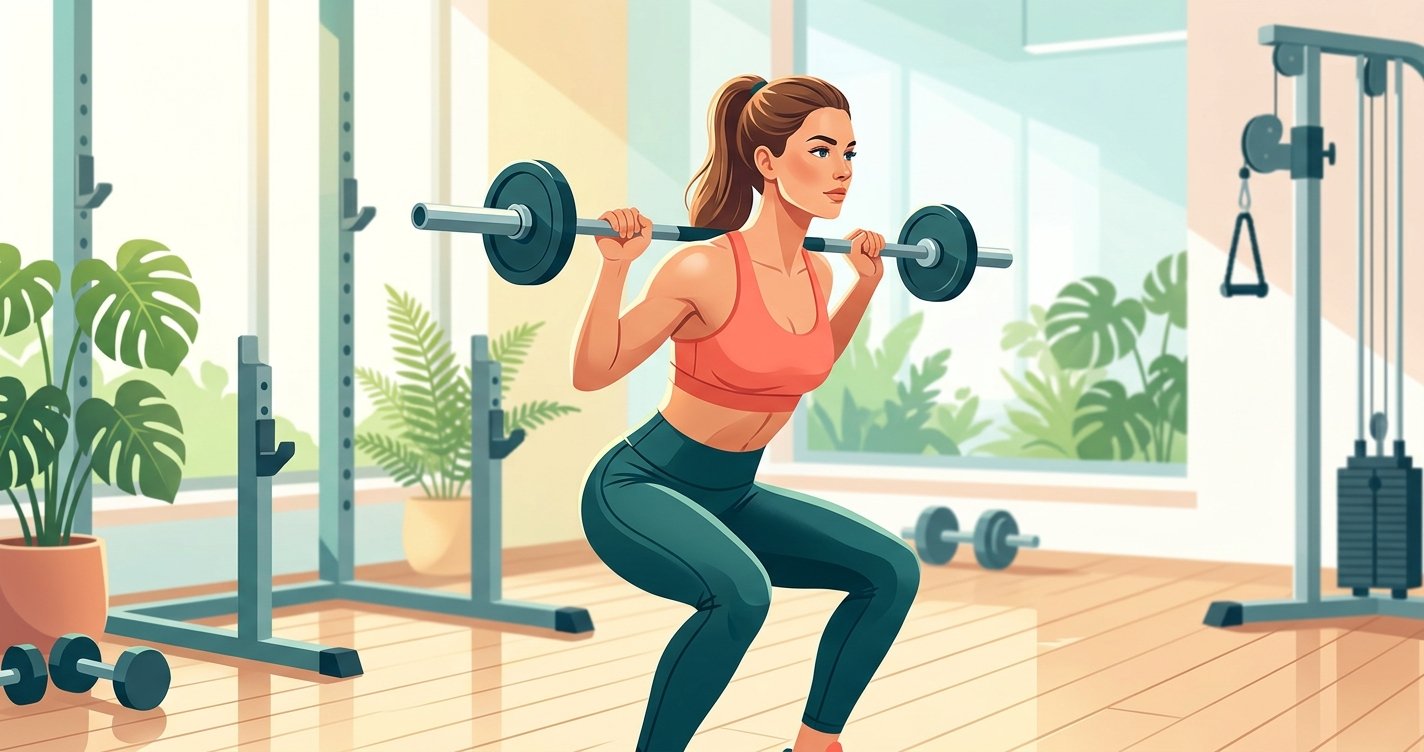
When you think about fat loss, what's the first thing that comes to mind? For many, it's endless hours on the treadmill, restrictive diets, or grueling cardio sessions. While cardio certainly has its place, and nutrition is paramount, there's a powerful, often underestimated ally in your fat loss journey that doesn't always get the spotlight it deserves: strength training. That's right, lifting weights isn't just for bodybuilders or elite athletes; it's a game-changer for anyone looking to shed unwanted fat, sculpt their physique, and boost their overall health.
Forget the fear of 'getting bulky' (we'll debunk that myth later!). Embracing weights can transform your body composition, supercharge your metabolism, and empower you with newfound strength and confidence. Ready to discover why strength training is your best friend on the path to sustainable fat loss? Let's dive in! this excellent wellness product
Why Strength Training is a Fat Loss Game-Changer (It's Not Just for Bodybuilders!)
Let's unpack the science-backed reasons why incorporating resistance training into your routine is a non-negotiable for effective and lasting fat loss.
Boost Your Metabolism (Even at Rest!)
Here's a fantastic secret: muscle is metabolically more active than fat. This means that even when you're just sitting on the couch, your muscles are burning more calories than fat tissue. By building and preserving muscle mass through strength training, you effectively increase your Basal Metabolic Rate (BMR) – the number of calories your body burns at rest. Think of it as upgrading your internal calorie-burning engine!
The Afterburn Effect (EPOC)
Unlike steady-state cardio, which primarily burns calories during the activity, strength training creates a significant 'afterburn effect' known as Excess Post-exercise Oxygen Consumption (EPOC). After a challenging lifting session, your body continues to burn extra calories for hours, and sometimes even days, as it works to repair muscle tissue and restore your body to its pre-exercise state. It's like getting paid to work even after your shift is over!
Preserve Muscle Mass While Losing Fat
When you go into a calorie deficit to lose fat, there's always a risk of losing valuable muscle mass along with fat. This is where strength training becomes critical. By signaling to your body that these muscles are needed and being worked, you encourage your body to primarily burn fat for fuel, thus preserving your hard-earned muscle. This is key for achieving a 'toned' look rather than just becoming a smaller version of your current self.
Sculpt Your Body and Enhance Your Shape
Want to build those glutes, define your arms, or strengthen your core? Strength training allows you to strategically build muscle in specific areas, creating a more aesthetically pleasing and proportional physique. It’s not just about losing weight; it’s about reshaping your body and feeling strong in your own skin.
Boost Bone Density and Overall Health
Beyond fat loss, strength training offers a multitude of health benefits. It puts healthy stress on your bones, stimulating bone growth and increasing bone density, which is crucial for preventing osteoporosis as you age. It also improves joint stability, reduces the risk of injury, and can significantly enhance your functional strength for everyday tasks.
Getting Started: Your Strength Training Blueprint
Ready to pick up some weights? Here’s a simple guide to get you started on the right foot.
The Right Frequency
For beginners, aiming for 2-3 full-body strength training sessions per week on non-consecutive days is an excellent starting point. This allows adequate time for muscle recovery and growth. As you progress, you might increase to 3-4 sessions, potentially splitting your workouts (e.g., upper body/lower body).
Exercise Selection: Compound Movements Are Your Friends
Focus on compound exercises that work multiple muscle groups simultaneously. These are highly efficient and incredibly effective for fat loss and muscle building. Examples include:
- Squats: Barbell, dumbbell, goblet squats
- Deadlifts: Conventional, sumo, Romanian deadlifts
- Presses: Bench press, overhead press, dumbbell press
- Rows: Barbell rows, dumbbell rows, cable rows
- Lunges: Forward, reverse, walking lunges
Supplement these with isolation exercises as needed, but prioritize compounds.
Progressive Overload: The Secret Sauce
To continue seeing results, your muscles need to be consistently challenged. This principle is called progressive overload. It means gradually increasing the demands on your muscles over time. This can be achieved by:
- Increasing the weight you lift
- Performing more repetitions with the same weight
- Doing more sets
- Decreasing rest times between sets
- Improving your form and control
Always strive for slight improvements each week or month.
Form Over Everything
Before you even think about lifting heavy, master proper form. Incorrect form can lead to injuries and negate the effectiveness of the exercise. If you're unsure, watch reputable tutorial videos, consider hiring a certified personal trainer for a few sessions, or ask gym staff for guidance. Start with lighter weights to perfect your technique.
Fueling Your Strength for Fat Loss (It's Not Just About Cals In, Cals Out)
Your nutrition plays a massive role in supporting your strength training efforts and maximizing fat loss. It's not just about restricting calories, but about nourishing your body effectively.
Protein is King
Adequate protein intake is crucial for muscle repair and growth. Aim for roughly 0.7-1 gram of protein per pound of body weight per day, spread across your meals. Good sources include lean meats, poultry, fish, eggs, dairy, legumes, and protein supplements.
Smart Carb Timing
Carbohydrates are your body's primary energy source. Focus on complex carbs like whole grains, fruits, and vegetables. Consider consuming a good portion of your carbs around your workouts to fuel your performance and replenish glycogen stores afterward.
Healthy Fats for Hormones
Don't fear healthy fats! They are essential for hormone production, nutrient absorption, and overall health. Include sources like avocados, nuts, seeds, olive oil, and fatty fish in your diet.
Beyond the Gym: Lifestyle Factors for Success
Your journey doesn't end when you leave the gym. These lifestyle factors are critical for optimizing your fat loss and recovery.
Prioritize Sleep
Quality sleep (7-9 hours per night) is when your body repairs and rebuilds muscle tissue. Lack of sleep can also disrupt hormones like ghrelin and leptin (which regulate hunger and satiety), making fat loss harder.
Manage Stress
Chronic stress elevates cortisol levels, which can promote fat storage, particularly around the midsection. Incorporate stress-reduction techniques like meditation, yoga, spending time in nature, or hobbies you enjoy.
Stay Hydrated
Water is essential for countless bodily functions, including metabolism, nutrient transport, and regulating body temperature. Aim for at least 8 glasses of water a day, more if you're active.
Common Myths Debunked
Let's bust some common misconceptions that might be holding you back.
Myth 1: "Lifting will make me bulky."
This is perhaps the biggest fear, especially for women. The truth is, building significant muscle mass is extremely difficult and requires intense training, a specific diet, and often, genetic predispositions or external assistance. Most women lack the necessary testosterone levels to become 'bulky' by simply lifting weights. Instead, you'll likely achieve a lean, toned, and strong physique.
Myth 2: "Cardio is better for fat loss than lifting."
While cardio burns calories during the activity, strength training offers a superior metabolic boost post-workout and helps preserve muscle, which is crucial for long-term fat loss and body composition changes. The most effective approach often involves a combination of both!
Myth 3: "I need to lift heavy every day."
Recovery is just as important as the workout itself. Overtraining can lead to injuries, fatigue, and even hinder progress. Your muscles need time to repair and grow stronger. Stick to 2-4 quality sessions per week, allowing for rest days in between.
Embrace the Strength, Embrace the Change!
Strength training is more than just a means to an end; it's a journey of empowerment, physical transformation, and building a healthier, more resilient you. By incorporating weights into your routine, you're not just burning fat; you're building confidence, boosting your metabolism, and laying the foundation for a stronger, healthier future.
So, whether you're a complete beginner or looking to revitalize your routine, don't shy away from the weights. Start slow, focus on form, stay consistent, and watch your body and confidence transform. Your strongest, leanest self is waiting!