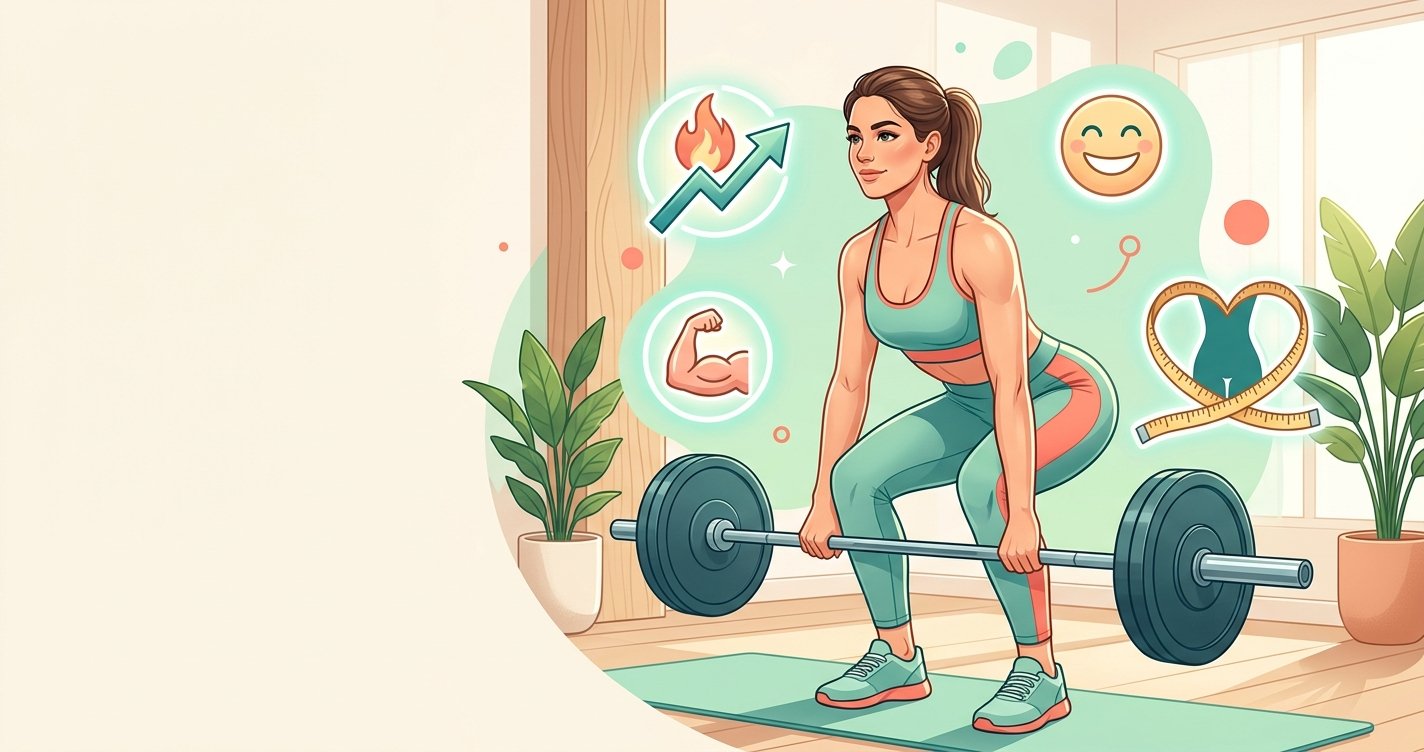
Unlock Your Fat Loss Potential: Why Strength Training is Your Best Ally (Beyond the Scale!)
Are you tired of chasing quick-fix diets and endless cardio sessions that leave you feeling exhausted and unfulfilled? Many people believe that the path to fat loss is paved solely with calorie restriction and hours on the treadmill. While these have their place, there's a powerful, often overlooked, secret weapon in your fat loss arsenal: strength training. It’s not just about building big muscles; it's about transforming your body composition, boosting your metabolism, and achieving sustainable, long-term results that go far beyond what the scale can tell you.
In this comprehensive guide, we'll dive deep into the science-backed reasons why lifting weights is one of the most effective strategies for shedding unwanted fat, sculpting a stronger physique, and improving your overall health. Get ready to ditch the myths, embrace the weights, and discover a more empowering, effective way to achieve your fat loss goals! this excellent wellness product
Why Strength Training is Your Secret Weapon for Fat Loss
When most people think of fat loss, they immediately picture cardio. While cardiovascular exercise is excellent for heart health and burning calories during the activity, strength training offers unique and superior benefits for sustainable fat loss.
- Boosted Metabolism: Muscle tissue is metabolically active, meaning it burns more calories at rest than fat tissue. The more muscle you have, the higher your Basal Metabolic Rate (BMR) becomes. This means you’ll be burning more calories around the clock, even when you’re sleeping or sitting at your desk!
- The "Afterburn" Effect (EPOC): Unlike steady-state cardio, strength training causes a significant "afterburn" effect, scientifically known as Excess Post-exercise Oxygen Consumption (EPOC). Your body continues to burn extra calories for hours, sometimes even days, after a challenging weightlifting session as it repairs and rebuilds muscle tissue.
- Improved Body Composition: Fat loss isn't just about losing weight; it's about changing your body composition – the ratio of fat to muscle. Strength training helps you reduce fat while simultaneously building or preserving muscle, leading to a leaner, more toned physique. You might not see a drastic change on the scale initially, but your clothes will fit differently, and your body will look and feel stronger.
- Enhanced Insulin Sensitivity: Regular strength training can improve your body's sensitivity to insulin, a hormone critical for managing blood sugar. Better insulin sensitivity means your body is more efficient at using glucose for energy instead of storing it as fat, making it a crucial component for long-term fat loss and overall metabolic health.
The Science Behind the Sweat: How Your Body Transforms
Let's peel back the layers and understand the physiological magic that happens when you consistently challenge your muscles.
Muscle as a Metabolic Powerhouse
Imagine your body as a car. Fat cells are like the car's trunk, storing fuel (energy). Muscle cells are like the engine, constantly burning fuel to perform tasks. A bigger, more efficient engine (more muscle) burns more fuel, even when idling. This is why increasing your muscle mass through strength training is so effective for fat loss; it fundamentally changes your resting metabolic rate, turning your body into a more efficient, fat-burning machine.
Hormonal Harmony for Fat Loss
Strength training triggers a cascade of beneficial hormonal responses that support fat loss:
- Growth Hormone (GH): Released during and after intense workouts, GH plays a vital role in fat metabolism and muscle growth.
- Testosterone: While often associated with men, women also produce testosterone, and strength training can optimize its levels, contributing to muscle building and fat reduction without causing excessive bulk.
- Cortisol Management: While acute stress from exercise increases cortisol, regular strength training can help your body better manage chronic stress, which is often linked to increased belly fat.
These hormonal shifts, combined with increased calorie expenditure and improved insulin sensitivity, create an optimal internal environment for sustainable fat loss.
Crafting Your Strength Training Plan: Getting Started Smart
Ready to pick up some weights? Here’s how to build an effective and sustainable plan.
Frequency and Consistency
For beginners, aiming for 2-3 full-body strength training sessions per week on non-consecutive days is a great starting point. As you get stronger, you can progress to 3-4 sessions, perhaps incorporating an upper/lower split or a push/pull/legs routine. Consistency is key – showing up regularly is more important than perfect workouts every single time.
Exercise Selection: Focus on Compound Movements
Compound exercises work multiple muscle groups and joints simultaneously, making them incredibly efficient for building strength, burning calories, and stimulating a greater hormonal response. Prioritize these:
- Squats: Barbell squats, goblet squats, lunges
- Hinges: Deadlifts, Romanian deadlifts, glute bridges
- Pushes: Overhead press, bench press (dumbbell or barbell), push-ups
- Pulls: Rows (dumbbell, barbell, cable), pull-ups/lat pulldowns
Include some isolation exercises (like bicep curls or tricep extensions) if you enjoy them, but build your foundation on compound movements.
The Principle of Progressive Overload
This is the secret sauce to continued progress. Progressive overload means continually challenging your muscles as they adapt. This can be done by:
- Increasing the weight: Lift slightly heavier than last time.
- Increasing repetitions: Do more reps with the same weight.
- Increasing sets: Add another set to an exercise.
- Improving form: Performing the exercise with better control and range of motion.
- Decreasing rest time: Shortening the breaks between sets.
Without progressive overload, your body will plateau. Always prioritize proper form over lifting heavy weight to prevent injury.
Fueling Your Fat Loss: Nutrition for Strength Gains
You can't out-train a poor diet. Nutrition is paramount for both fat loss and supporting your strength training efforts.
Protein: Your Best Friend
Protein is crucial for muscle repair and growth, and it's highly satiating, helping you feel fuller for longer. Aim for 1.6-2.2 grams of protein per kilogram of body weight per day. Incorporate lean protein sources like chicken breast, fish, eggs, Greek yogurt, lean beef, lentils, and tofu into every meal.
Calorie Deficit: Necessary, But Not Extreme
To lose fat, you need to consume fewer calories than you burn. However, a drastic calorie deficit can hinder muscle growth and energy levels. Aim for a moderate deficit (300-500 calories below your maintenance) to ensure sustainable fat loss while preserving muscle mass.
Smart Carbohydrate and Fat Intake
- Carbohydrates: Provide essential energy for your workouts and aid in recovery. Focus on complex carbohydrates like whole grains, fruits, and vegetables. Don't fear carbs, especially around your training sessions.
- Healthy Fats: Crucial for hormone production and overall health. Incorporate sources like avocados, nuts, seeds, and olive oil in moderation.
Hydration
Often overlooked, adequate water intake is vital for metabolism, performance, and satiety. Aim for 2-3 liters of water per day, more if you're exercising intensely.
Beyond the Barbell: Complementary Strategies for Success
While strength training is powerful, integrating other healthy habits will accelerate your results and enhance your well-being.
Strategic Cardio
Cardio isn't the enemy; it's a complement! Incorporate 1-2 sessions of moderate-intensity cardio (like brisk walking or cycling) for cardiovascular health and additional calorie burn. High-Intensity Interval Training (HIIT) can also be effective for calorie expenditure and EPOC, but use it sparingly (1-2 times per week) to avoid overtraining, especially when combined with strength training.
Prioritize Sleep
Sleep is when your body repairs itself, releases crucial hormones for fat metabolism (like growth hormone), and regulates appetite-controlling hormones (ghrelin and leptin). Aim for 7-9 hours of quality sleep per night. Poor sleep can sabotage your fat loss efforts, increasing cravings and cortisol levels.
Manage Stress
Chronic stress elevates cortisol, which can promote fat storage, particularly around the midsection. Incorporate stress-reducing activities into your routine, such as meditation, yoga, spending time in nature, or engaging in hobbies you love.
Consistency and Patience
Fat loss and muscle building are not linear processes. There will be good days and challenging days. Stay consistent with your training and nutrition, trust the process, and be patient. Celebrate non-scale victories like increased strength, better mood, improved sleep, and clothes fitting better. These are true indicators of progress!
Busting the Myths: Separating Fact from Fiction
Let's address some common misconceptions that might be holding you back.
“I’ll get too bulky.” (Especially for women)
This is perhaps the biggest myth! Women generally lack the high levels of testosterone needed to build significant muscle mass naturally. You will get stronger, leaner, and more toned, but not "bulky." The physiques you see in bodybuilding competitions are often a result of years of dedicated, highly specific training, strict diets, and sometimes, pharmaceutical assistance.
“Cardio is the only way to lose weight.”
As we've discussed, strength training offers superior metabolic benefits for sustainable fat loss. While cardio burns calories during the activity, strength training boosts your metabolism 24/7. A combination of both is often the most effective approach.
“I’m too old to start lifting weights.”
It's never too late! Strength training offers incredible benefits at any age, including improved bone density, better balance, increased functional strength for daily tasks, and reduced risk of age-related muscle loss (sarcopenia). Always consult with a doctor before starting a new exercise program, especially if you have pre-existing conditions.
“I don't have time for strength training.”
Even 2-3 sessions of 45-60 minutes per week can yield significant results. Full-body workouts are highly efficient. Focus on quality over quantity, and remember that investing in your health now saves time and trouble later.
Embrace Your Strength, Transform Your Body
Strength training is far more than just lifting weights; it's an investment in a stronger, healthier, and more confident you. By understanding its profound impact on your metabolism, hormones, and body composition, you can move beyond restrictive diets and endless cardio, embracing a sustainable path to fat loss that builds muscle, burns fat, and truly transforms your body from the inside out.
So, are you ready to pick up those weights? Start small, stay consistent, and celebrate every victory – big or small. Your body will thank you, and you’ll discover a strength you never knew you had!