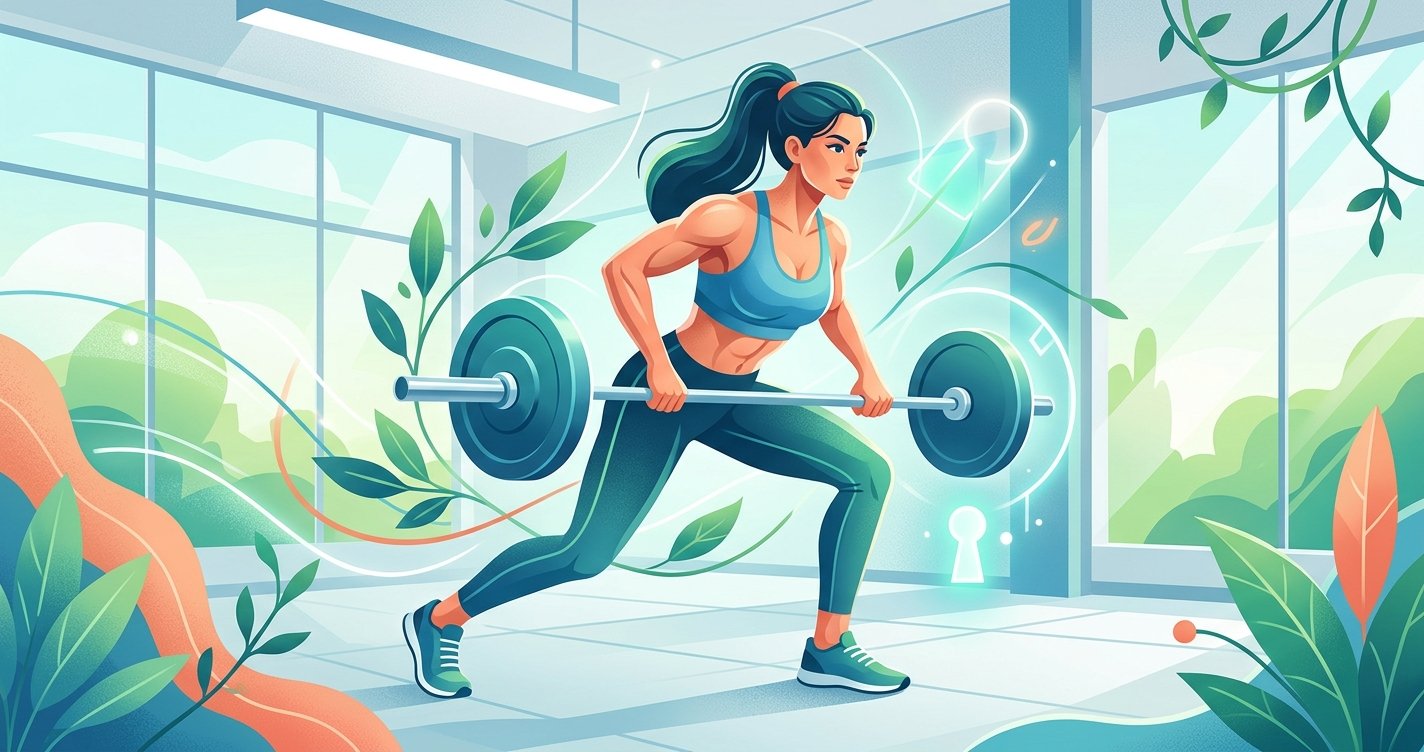
Unlock Your Fat Loss Potential: The Ultimate Guide to Strength Training for a Leaner, Stronger You
When you think about fat loss, what's the first thing that comes to mind? For many, it's endless hours on the treadmill or restrictive diets. While cardio and nutrition play crucial roles, there's a powerful, often underestimated ally in your fat loss journey: strength training. Forget the myth that lifting weights is just for bodybuilders or that it'll make you "bulk up." The truth is, incorporating resistance training into your routine is one of the most effective, sustainable, and empowering ways to transform your body, boost your metabolism, and achieve lasting fat loss.
This isn't just about losing numbers on the scale; it's about fundamentally changing your body composition, building confidence, and feeling incredibly strong. Ready to discover why strength training is a non-negotiable component of a successful fat loss strategy? Let's dive in! this excellent wellness product
Beyond the Scale: How Strength Training Transforms Your Body Composition
Fat loss isn't just about weight loss. You want to lose fat, not muscle. Strength training is uniquely positioned to help you achieve this by directly influencing your body composition – the ratio of fat to lean muscle mass.
Building Muscle, Burning More Calories (Even at Rest)
This is perhaps the biggest secret weapon of strength training. Muscle tissue is metabolically active, meaning it burns more calories at rest than fat tissue. The more muscle you have, the higher your basal metabolic rate (BMR) will be. Think of your muscles as tiny calorie-burning furnaces that work even when you're sleeping, watching TV, or sitting at your desk. By building and maintaining muscle, you create a more efficient fat-burning machine 24/7.
The Afterburn Effect: EPOC Explained
Ever feel extra tired after a tough workout? That's your body working overtime, even after you've left the gym! Strength training triggers a phenomenon known as Excess Post-exercise Oxygen Consumption (EPOC), often called the "afterburn effect." After an intense lifting session, your body continues to burn calories at an elevated rate for hours, sometimes even days, as it works to repair muscle tissue, restore energy stores, and return to its pre-exercise state. This prolonged calorie burn significantly contributes to overall fat loss.
Sculpting Your Physique: Definition and Tone
While cardio can help you shed pounds, strength training is what truly sculpts your body. As you reduce body fat and build muscle, you'll notice increased definition in your arms, shoulders, back, glutes, and legs. This creates a toned, athletic appearance that many people desire, often more so than simply being "thin." It's about building a body you love, not just shrinking the one you have.
Getting Started: Your Strength Training Blueprint
Ready to pick up some weights? Here’s how to build an effective strength training routine for fat loss.
Compound Movements Are Your Best Friends
Compound exercises are movements that work multiple joints and muscle groups simultaneously. Think squats, deadlifts, bench presses, overhead presses, and rows. These exercises are incredibly efficient because they recruit more muscle fibers, burn more calories, and elicit a greater hormonal response, all of which are beneficial for fat loss and muscle building. Prioritize these foundational movements in your workouts.
Progressive Overload: The Key to Continuous Progress
To keep building muscle and getting stronger, you need to continually challenge your body. This principle is called progressive overload. It means gradually increasing the demands placed on your muscles over time. This can be done by:
- Increasing the weight lifted
- Performing more repetitions with the same weight
- Doing more sets
- Reducing rest periods between sets
- Improving your form
Without progressive overload, your body will adapt, and your progress will plateau. Keep pushing yourself safely!
Reps, Sets, and Frequency: What's Optimal?
For fat loss and muscle building, a common and effective rep range is 6-12 repetitions per set. Aim for 3-4 sets per exercise. As for frequency, training each major muscle group 2-3 times per week is ideal. This allows for sufficient recovery and stimulates muscle protein synthesis consistently. A common split might be full-body workouts 3 times a week, or an upper/lower split trained twice a week.
Fueling Your Progress: Nutrition for Strength-Based Fat Loss
You can't out-train a bad diet! Nutrition is paramount, especially when you're lifting weights for fat loss.
Protein Power: Why It's Non-Negotiable
Protein is your best friend when it comes to fat loss and muscle building. It helps repair and rebuild muscle tissue after your workouts, which is essential for growth. Furthermore, protein is highly satiating, helping you feel fuller for longer and reducing cravings. Aim for 0.7-1 gram of protein per pound of body weight daily, distributed across your meals.
Smart Carbs and Healthy Fats
Don't fear carbs! They are your body's primary energy source, especially important for fueling intense strength training sessions. Focus on complex carbohydrates like whole grains, fruits, and vegetables. Healthy fats (avocado, nuts, seeds, olive oil) are vital for hormone production and overall health. The key is balance and portion control, ensuring you're still in a slight calorie deficit for fat loss.
Hydration and Micronutrients
Water is essential for every bodily function, including metabolism and nutrient transport. Drink plenty throughout the day. Don't forget the importance of micronutrients (vitamins and minerals) from a diverse range of whole foods to support energy levels, recovery, and overall well-being.
Overcoming Common Myths and Misconceptions
Let's bust some common myths that might be holding you back.
"Bulking Up" Fear (Especially for Women)
This is arguably the most common misconception, especially among women. Building significant muscle mass is extremely difficult and requires specific training, diet, and often, hormonal profiles that most women do not naturally possess. Lifting weights will lead to a lean, toned physique, not a "bulky" one. Embrace the strength!
Cardio vs. Weights: Finding the Balance
It's not an either/or situation. Both cardio and strength training have their place. While strength training is superior for body recomposition and boosting your metabolism, moderate cardio can improve cardiovascular health, aid in calorie expenditure, and enhance recovery. A balanced approach that includes both is often the most effective for overall health and fat loss.
The Importance of Rest and Recovery
Muscles aren't built in the gym; they're built during recovery! Adequate sleep (7-9 hours per night) and rest days are crucial for muscle repair, growth, and preventing burnout. Overtraining can hinder progress and increase the risk of injury. Listen to your body.
Integrating Strength Training into Your Lifestyle
Starting is often the hardest part, but it doesn't have to be overwhelming. Here's a simple template for a 3-day full-body strength training routine:
- Day 1: Squats, Bench Press, Rows, Overhead Press, Plank
- Day 2: Rest or light cardio
- Day 3: Deadlifts, Lunges, Push-ups, Lat Pulldowns, Glute Bridges
- Day 4: Rest or light cardio
- Day 5: Repeat Day 1 or a modified full-body workout
- Day 6 & 7: Rest
Start with weights you can lift with good form for 8-12 reps. As you get stronger, gradually increase the weight. Consider working with a qualified personal trainer to learn proper form and develop a personalized plan.
Your Journey to a Stronger, Leaner You Starts Now
Embracing strength training for fat loss is a journey of empowerment. It's about building a body that's not only leaner but also stronger, more resilient, and more capable. It changes your relationship with food, exercise, and even your self-perception. You'll gain physical strength, mental fortitude, and a deep sense of accomplishment.
So, ditch the fear of the weight rack. Step into the gym, or even start with bodyweight exercises at home. Be consistent, prioritize proper nutrition, and trust the process. The results – a more confident, healthier, and leaner you – will be incredibly rewarding. Your future strong self is waiting!