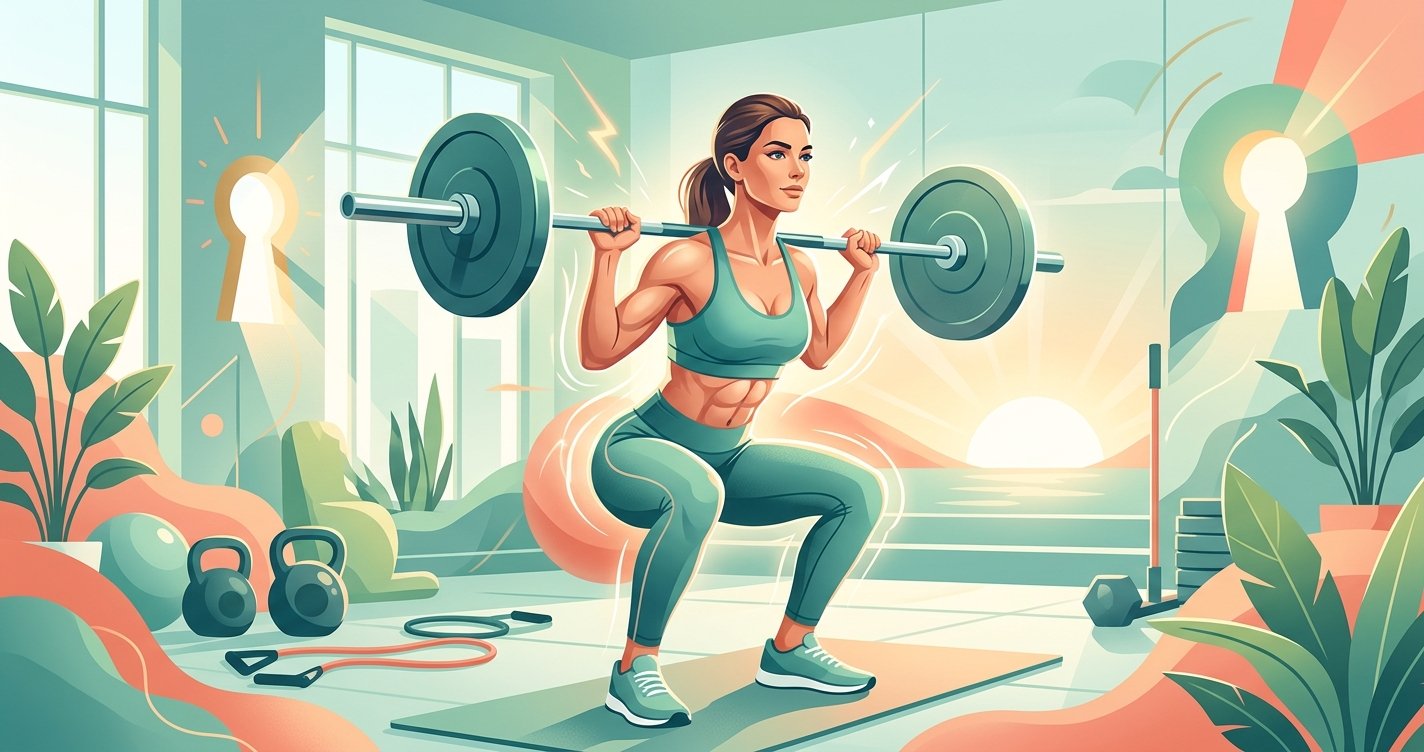
When you picture 'fat loss,' what's the first thing that comes to mind? For many, it's endless hours on the treadmill, sweating through cardio sessions. And while cardio certainly has its place in a healthy lifestyle, what if we told you there's a powerful, often overlooked secret weapon that could revolutionize your fat loss journey? Enter strength training.
It’s time to shift your perspective. Lifting weights isn't just for bodybuilders or athletes; it's a transformative tool for anyone looking to shed unwanted body fat, sculpt a lean physique, and boost their overall health. This isn't just anecdotal advice; it's backed by robust scientific evidence. In this friendly, encouraging, and evidence-based guide, we'll dive deep into why strength training is your ultimate ally in achieving sustainable fat loss and a stronger, more confident you. this excellent wellness product
Beyond the Scale: Why Muscle Matters for Fat Loss
Many people focus solely on the number on the scale, but true fat loss is about more than just losing 'weight.' It's about body recomposition – changing your body's fat-to-muscle ratio. And here's where strength training truly shines.
The Metabolic Powerhouse: Your Basal Metabolic Rate (BMR)
- Your BMR is the number of calories your body burns at rest, just to keep you alive.
- Muscle tissue is far more metabolically active than fat tissue. This means the more muscle you have, the more calories your body burns around the clock, even when you're just sitting on the couch or sleeping!
- While the exact numbers vary, estimates suggest each pound of muscle can burn an extra 6-10 calories per day at rest, compared to just 2-3 calories for a pound of fat. Over time, this adds up significantly.
The 'Afterburn Effect' (EPOC)
After a challenging strength training session, your body doesn't just stop burning extra calories. It enters a state called Excess Post-exercise Oxygen Consumption (EPOC), often referred to as the 'afterburn effect.' Your body continues to burn calories at an elevated rate for hours, sometimes even up to 48 hours, as it repairs muscle tissue and restores physiological balance. This extended calorie burn is a huge advantage for fat loss that cardio alone often can't match.
The Science-Backed Benefits of Lifting for Leanness
Let's get into the nitty-gritty of how strength training directly contributes to a leaner, healthier body.
- Increased Fat Burning: Studies consistently show that incorporating strength training into a fat loss program leads to greater reductions in body fat compared to diet alone or diet combined with only cardio.
- Preservation of Muscle During Calorie Deficit: When you're in a calorie deficit (eating fewer calories than you burn), your body can sometimes break down muscle for energy along with fat. Strength training signals to your body that you need that muscle, helping to preserve it while primarily burning fat for fuel. This is crucial for maintaining a healthy metabolism and a toned look.
- Improved Insulin Sensitivity: Regular strength training can improve your body's sensitivity to insulin, the hormone responsible for regulating blood sugar. Better insulin sensitivity means your body is more efficient at using glucose for energy and less likely to store it as fat.
- Hormonal Advantages: Lifting weights can positively influence key hormones related to body composition, such as increasing growth hormone and testosterone (in both men and women, within healthy ranges), which play roles in muscle growth and fat metabolism.
- Enhanced Bone Density and Joint Health: Beyond fat loss, strength training places beneficial stress on your bones, encouraging them to become stronger and denser, reducing the risk of osteoporosis. It also strengthens the muscles and connective tissues around your joints, improving stability and reducing injury risk.
Getting Started: Your Beginner's Guide to Strength Training
Feeling intimidated? Don't be! Starting your strength training journey is simpler than you think. You don't need a fancy gym or expensive equipment to begin.
Focus on Compound Movements
These exercises work multiple muscle groups and joints simultaneously, making them incredibly efficient for building strength and burning calories.
- Squats: Works glutes, quads, hamstrings, core.
- Deadlifts (or Romanian Deadlifts): Engages hamstrings, glutes, back, core.
- Push-ups: Targets chest, shoulders, triceps, core. (Can be modified on knees or against a wall).
- Rows (e.g., Dumbbell Rows, Bodyweight Rows): Strengthens back, biceps.
- Overhead Press: Works shoulders, triceps.
The Principle of Progressive Overload
This is the cornerstone of effective strength training. To continue getting stronger and building muscle, you need to gradually increase the demands placed on your muscles over time. This can mean:
- Increasing the weight you lift.
- Doing more repetitions (reps) with the same weight.
- Performing more sets.
- Reducing rest time between sets.
- Improving your form and control.
Frequency and Form
Aim for 2-4 strength training sessions per week, allowing at least a day of rest between sessions for the same muscle groups. Always prioritize proper form over lifting heavy weight. Watch videos, consider hiring a certified trainer for a few sessions, or start with lighter weights to perfect your technique to prevent injuries and maximize results.
Fueling Your Gains: Nutrition for Strength & Fat Loss
You can't out-train a poor diet. Nutrition is paramount for both muscle growth and fat loss. Here's how to fuel your body effectively:
- Prioritize Protein: Protein is essential for muscle repair and growth. Aim for 0.7-1 gram of protein per pound of body weight daily. Think lean meats, poultry, fish, eggs, dairy, legumes, and protein supplements if needed.
- Smart Calorie Deficit: To lose fat, you need to consume fewer calories than you burn. A moderate deficit (250-500 calories below maintenance) is sustainable and allows for muscle preservation.
- Complex Carbohydrates: These provide the energy needed for intense workouts and replenish glycogen stores. Opt for whole grains, fruits, and vegetables.
- Healthy Fats: Crucial for hormone production and overall health. Include sources like avocados, nuts, seeds, and olive oil.
- Hydration: Drink plenty of water throughout the day. It's vital for metabolic processes, nutrient transport, and preventing fatigue.
Avoiding Common Pitfalls & Staying Motivated
Your fat loss journey with strength training is a marathon, not a sprint. Here's how to stay on track and avoid common setbacks:
- Don't Fear 'Getting Bulky': This is a common concern, especially for women. Building significant muscle mass is a long, arduous process requiring specific training and dietary protocols. Most people, especially women due to hormonal differences, will achieve a toned, strong, and lean physique, not a bulky one.
- Prioritize Rest and Recovery: Muscles don't grow in the gym; they grow and repair during rest. Aim for 7-9 hours of quality sleep per night. Active recovery like walking or stretching can also be beneficial.
- Track Your Progress (Beyond the Scale): The scale might not always reflect your hard work, especially if you're building muscle while losing fat. Track other metrics: how much weight you can lift, your body measurements, progress photos, how your clothes fit, and your energy levels. Celebrate non-scale victories!
- Be Patient and Consistent: Results take time and consistent effort. There will be days you feel unmotivated, but showing up, even for a shorter workout, makes a difference. Trust the process.
- Seek Guidance: If you're unsure where to start, consider investing in a few sessions with a certified personal trainer. They can help you with proper form, program design, and provide accountability.
Embrace the Strength Within You!
Strength training is far more than just a way to build muscle; it's a powerful, sustainable, and empowering path to effective fat loss, improved health, and a more confident you. By understanding its metabolic advantages, embracing progressive overload, and fueling your body wisely, you'll unlock a level of fat loss and body transformation you might not have thought possible.
So, are you ready to trade those endless cardio sessions for the empowering clank of weights? Start small, stay consistent, and prepare to be amazed by the incredible changes not just in your physique, but in your strength, energy, and overall well-being. Your leaner, stronger self is waiting!