Torch Fat, Build Muscle: The Unbeatable Power of Strength Training for Sustainable Fat Loss
When you think about fat loss, what's the first thing that comes to mind? For many, it's endless hours on the treadmill, restrictive diets, or a combination of the two. While cardio and nutrition are undoubtedly crucial pieces of the puzzle, there's a powerful, often underestimated player that can revolutionize your fat loss journey: strength training. Forget the myth that lifting weights is just for bodybuilders or 'getting bulky.' For sustainable, effective fat loss and a truly transformed physique, strength training is your secret weapon. Let's dive into why.
Why Strength Training is a Fat Loss Game-Changer
Strength training isn't just about building impressive biceps; it's a metabolic powerhouse that impacts your body composition, boosts your metabolism, and helps you sculpt a leaner, stronger you. Here’s how: this excellent wellness product
The Metabolism Boost: EPOC and Beyond
Unlike steady-state cardio, which primarily burns calories during the activity itself, strength training has a remarkable 'afterburn' effect. This phenomenon is known as Excess Post-exercise Oxygen Consumption (EPOC). After a challenging weightlifting session, your body continues to burn calories at an elevated rate for hours, sometimes even days, as it works to repair muscle tissue, restore energy stores, and return to its pre-exercise state. This means you're burning more fat even while you're resting!
Building Muscle, Burning More Calories
Muscle tissue is metabolically active. This means that even at rest, a pound of muscle burns more calories than a pound of fat. While the difference per pound might seem small, accumulating even a few extra pounds of muscle can significantly increase your Basal Metabolic Rate (BMR) – the number of calories your body burns just to maintain basic functions. The more muscle you have, the higher your resting metabolism, making it easier to create the calorie deficit necessary for fat loss without overly restricting your diet.
Body Composition: Reshaping Your Silhouette
Fat loss isn't just about the number on the scale; it's about how your body looks and feels. Strength training excels at improving your body composition – the ratio of fat to lean muscle mass. As you lose fat and gain muscle, your body becomes firmer, more toned, and more defined. You might even find that your clothes fit better and you look leaner, even if the scale hasn't moved dramatically. This is because muscle is denser than fat, so a pound of muscle takes up less space than a pound of fat.
Getting Started: Your Strength Training Blueprint
Ready to embrace the power of lifting? Here’s a simple blueprint to get you started:
Essential Exercises for Beginners
Focus on compound exercises that work multiple muscle groups simultaneously. These are the most efficient and effective for building foundational strength and burning calories.
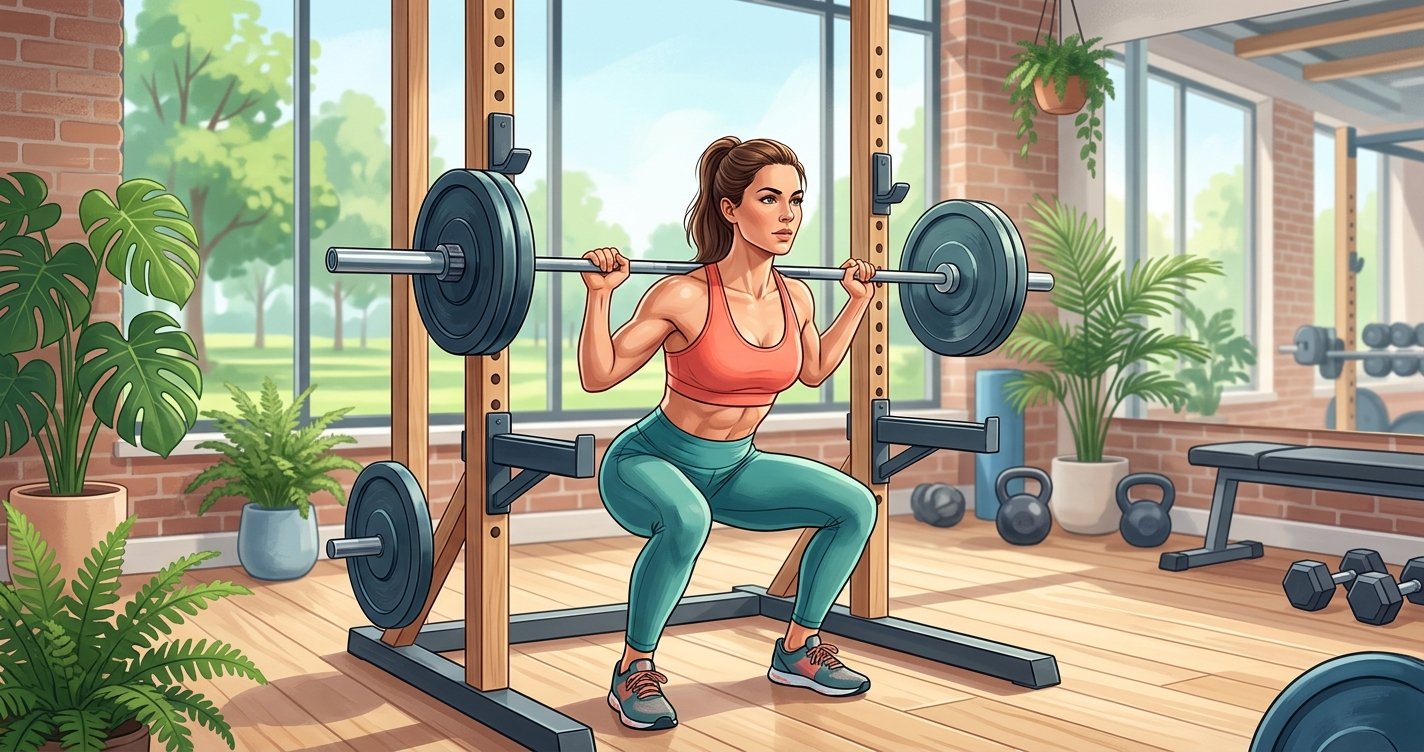
- Squats: Works glutes, quads, hamstrings, and core.
- Deadlifts (or Romanian Deadlifts): Engages glutes, hamstrings, back, and core.
- Push-ups (or Incline Push-ups): Targets chest, shoulders, and triceps.
- Rows (Dumbbell Rows or Machine Rows): Works back and biceps.
- Overhead Press (Dumbbell or Barbell): Strengthens shoulders and triceps.
- Lunges: Great for glutes, quads, and hamstrings, also improves balance.
How Often and How Intense? (Frequency, Sets, Reps)
- Frequency: Aim for 2-4 strength training sessions per week, allowing for rest days in between to help your muscles recover and grow.
- Sets & Reps: For general fat loss and muscle building, 3-4 sets of 8-12 repetitions per exercise is a great starting point. Choose a weight that challenges you, where the last 1-2 reps feel difficult but you can maintain good form.
- Rest: Take 60-90 seconds of rest between sets to allow for partial recovery.
Progressive Overload: The Key to Continued Progress
To keep seeing results, you need to continually challenge your muscles. This is called progressive overload. It means gradually increasing the demands on your body over time. This can be achieved by:
- Lifting heavier weights.
- Doing more repetitions with the same weight.
- Performing more sets.
- Reducing rest time between sets.
- Improving your exercise form.
Without progressive overload, your body adapts, and your progress can stall.
Fueling Your Fat Loss Journey: Nutrition for Strength Training
You can't out-train a poor diet. Nutrition plays a vital role in supporting your strength training efforts and maximizing fat loss.
Protein: Your Muscle-Building MVP
Protein is essential for muscle repair and growth, and it's also highly satiating, helping you feel fuller for longer. Aim for 0.7-1 gram of protein per pound of body weight daily. Good sources include lean meats, poultry, fish, eggs, dairy, legumes, and protein supplements.
Carbs and Fats: The Energy Equation
Don't fear carbohydrates! They are your body's primary energy source, crucial for fueling your workouts and aiding recovery. Focus on complex carbohydrates like whole grains, fruits, and vegetables. Healthy fats are also important for hormone production and overall health; include sources like avocados, nuts, seeds, and olive oil. The key is to find a balance that supports your energy levels and fat loss goals.
Common Myths Debunked & Overcoming Obstacles
Let's address some common concerns that might be holding you back.
"I'll Get Too Bulky!" (Especially for women)
This is perhaps the biggest myth surrounding strength training, especially for women. Building significant muscle mass takes years of dedicated training, specific nutrition, and often, genetic predisposition. Women, in particular, produce far less testosterone than men, making it extremely difficult to 'accidentally' get bulky. Instead, you'll likely achieve a lean, toned, and strong physique.
Time Constraints and Home Workouts
You don't need hours in the gym or fancy equipment. Even 2-3 sessions of 30-45 minutes using dumbbells, resistance bands, or just your body weight can be incredibly effective. Focus on consistency and intensity over duration. Many effective workouts can be done in the comfort of your own home with minimal equipment.
Integrating Strength Training into Your Lifestyle
Making strength training a sustainable part of your life is key to long-term fat loss success.
Consistency Over Perfection
Life happens. Some weeks you might hit all your workouts, others you might miss one. The important thing is to be consistent over the long haul. Don't let one missed session derail your entire journey. Get back on track with your next planned workout.
Listen to Your Body and Recover
Recovery is just as important as the workout itself. Ensure you're getting adequate sleep (7-9 hours), staying hydrated, and incorporating active recovery or stretching. Don't be afraid to take rest days when your body needs them. Pushing through excessive soreness or fatigue can lead to injury and burnout.
Conclusion
If you've been relying solely on cardio and diet for fat loss, it's time to unleash the full potential of strength training. It's not just about shedding pounds; it's about building a stronger, healthier, more resilient you. By boosting your metabolism, building calorie-burning muscle, and reshaping your body composition, strength training offers a sustainable and incredibly rewarding path to achieving your fat loss goals. So, grab those weights, embrace the challenge, and get ready to discover the powerful, confident person within!