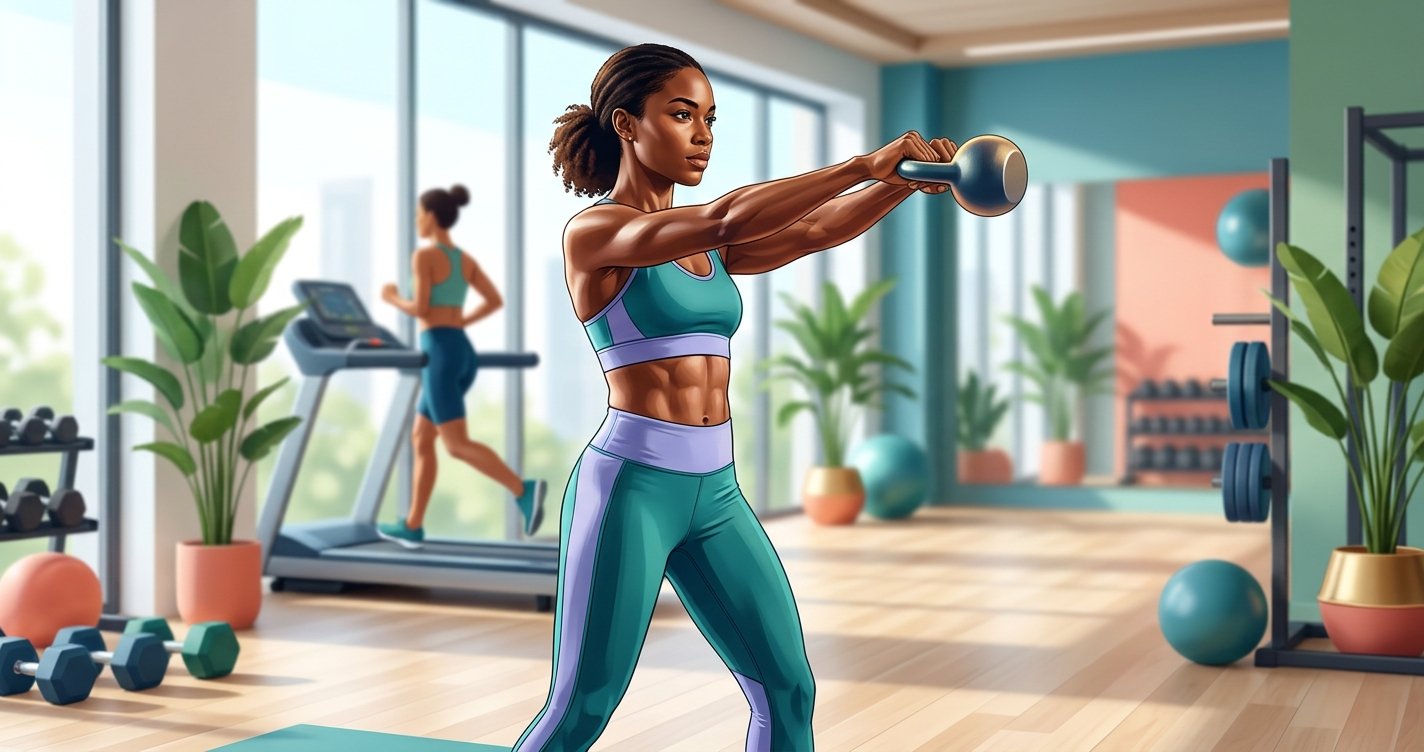
When you picture "fat loss," what comes to mind first? For many, it's endless hours on the treadmill, sweating through spin classes, or pounding the pavement with long runs. While cardiovascular exercise certainly has its place in a healthy lifestyle, it’s often mistakenly crowned as the sole king of fat loss. But what if we told you there’s a powerful, often overlooked secret weapon that could not only accelerate your fat loss but also sculpt your body, boost your metabolism, and dramatically improve your overall health? Enter strength training.
Yes, lifting weights – whether it's barbells, dumbbells, resistance bands, or even your own bodyweight – is not just for bodybuilders or athletes. It’s a fundamental pillar of sustainable, effective fat loss for everyone. Let's dive deep into why ditching the cardio-only mindset and embracing the power of strength training could be the game-changer you’ve been searching for on your journey to a leaner, stronger you. this excellent wellness product
Beyond the Treadmill: Why Strength Training is a Fat Loss Game-Changer
It's easy to see immediate calorie burn during a cardio session and assume that's the most efficient route. However, strength training offers a cascade of benefits that work long after your workout is over, making it a superior strategy for long-term fat loss.
Burn More Calories, Even at Rest (The Afterburn Effect & Metabolism Boost)
One of the most compelling reasons to lift weights for fat loss is its profound impact on your metabolism. When you engage in intense strength training, your body experiences a phenomenon known as Excess Post-exercise Oxygen Consumption (EPOC), often called the "afterburn effect." This means your body continues to burn extra calories at an elevated rate for hours, and sometimes even days, after your workout as it recovers and repairs muscle tissue. Think of it as a metabolic turbo-charge that keeps working while you're relaxing, working, or even sleeping.
Beyond EPOC, building muscle mass itself is a metabolic powerhouse. Muscle tissue is far more metabolically active than fat tissue. This means the more muscle you have, the more calories your body burns simply to maintain that muscle, even when you're at rest. Studies show that for every pound of muscle gained, you could burn an additional 6-10 calories per day. While this might not sound like much individually, over weeks and months, it adds up significantly, creating a more favorable environment for fat loss.
Sculpt Your Body: The Power of Body Recomposition
Have you ever lost weight but still felt "soft" or not as toned as you'd like? This is where strength training truly shines. While cardio helps you lose weight, it doesn't specifically target fat or build muscle. Strength training, on the other hand, actively builds muscle while simultaneously helping you shed fat. This process is called "body recomposition."
Instead of just seeing a number drop on the scale, you'll notice changes in your body shape: a firmer core, more defined arms, stronger legs. You might even find that your clothes fit better, or you drop a size, even if the scale hasn't moved dramatically. This is because muscle takes up less space than fat, giving you a leaner, more athletic physique. It's about changing your body's composition, not just its total mass.
Boost Your Energy & Mood
Beyond the physical transformations, strength training offers incredible mental and emotional benefits. Regular lifting can significantly improve your energy levels throughout the day, making daily tasks feel easier and more manageable. Moreover, exercise, particularly strength training, is a fantastic stress reliever. It releases endorphins, natural mood boosters that can help combat stress, anxiety, and even symptoms of depression. Feeling stronger, both physically and mentally, empowers you to stick with your fat loss journey with renewed motivation and a positive outlook.
Support Bone Health and Longevity
As we age, bone density naturally declines, increasing the risk of osteoporosis. Strength training is one of the most effective ways to combat this. The stress placed on your bones during weight-bearing exercises stimulates bone-building cells, leading to stronger, denser bones. This not only supports your long-term health and reduces fracture risk but also contributes to overall functional fitness, allowing you to live a more active and independent life for years to come.
Debunking Myths: You Won't Get "Bulky" (Unless You Want To!)
One of the biggest misconceptions, especially among women, is the fear of "getting bulky." Let's be clear: unless you're specifically training and eating like a competitive bodybuilder, it is incredibly difficult for most people, particularly women, to accidentally become bulky. Women naturally have significantly lower levels of testosterone, the primary hormone responsible for large-scale muscle growth. Building substantial muscle mass requires intense, highly specific training, a significant calorie surplus, and often, years of dedicated effort.
Instead, what you'll achieve through consistent strength training is a toned, lean, and strong physique. You'll see definition, not excessive bulk. Embrace the idea of becoming strong; it's empowering and incredibly beneficial for your health and fat loss goals.
How to Get Started: Your Strength Training Blueprint for Fat Loss
Ready to embrace the weights? Here’s a simple blueprint to help you get started on your strength training journey for optimal fat loss.
Focus on Compound Movements
Prioritize exercises that work multiple muscle groups and joints simultaneously. These are the most efficient for building strength and burning calories. Think squats, deadlifts, lunges, push-ups, overhead presses, and rows. These foundational movements form the backbone of an effective strength training program.
Progressive Overload is Key
To continue building strength and muscle, you need to continually challenge your body. This is known as "progressive overload." It means gradually increasing the demands on your muscles over time. This could involve lifting heavier weights, doing more repetitions, performing more sets, reducing rest times, or improving your form to make an exercise more challenging. Don't lift the same weight for the same reps indefinitely; push yourself safely within your limits.
Consistency Over Intensity (Initially)
When starting, focus on consistency. Aim for 2-3 full-body strength training sessions per week. Learn proper form for each exercise before increasing the weight. It's better to perform an exercise correctly with a lighter weight than incorrectly with a heavy one, which can lead to injury. As you become more comfortable, you can gradually increase the intensity and volume.
Don't Forget Nutrition and Recovery
Strength training is incredibly effective, but it works best in conjunction with a balanced diet and adequate recovery. Ensure you're consuming enough protein to support muscle repair and growth, and maintain a slight calorie deficit for fat loss. Prioritize 7-9 hours of quality sleep each night, as this is when your body repairs and rebuilds itself. Hydration is also crucial for performance and recovery.
Integrating Strength Training into Your Fat Loss Journey
So, how do you fit it all in? Here’s a sample weekly structure:
- Monday: Full-Body Strength Training
- Tuesday: Active Recovery (e.g., walking, stretching) or Light Cardio
- Wednesday: Full-Body Strength Training
- Thursday: Active Recovery or Light Cardio
- Friday: Full-Body Strength Training
- Saturday: Moderate Cardio or Enjoyable Activity (hiking, cycling)
- Sunday: Rest and Recovery
Listen to your body. If you’re feeling overly fatigued, take an extra rest day or opt for lighter activity. The goal is sustainable progress, not burnout.
Conclusion: Lift Your Way to a Stronger, Leaner You
The journey to fat loss doesn't have to be a monotonous grind of endless cardio. By embracing strength training, you unlock a powerful, multi-faceted approach that not only burns fat more efficiently but also builds a stronger, healthier, and more confident you. You'll not only look better but feel better, with increased energy, improved mood, and long-term health benefits.
So, next time you head to the gym, consider stepping away from the cardio machines for a bit. Pick up those weights, challenge your muscles, and discover the incredible transformation that awaits. Your body—and your metabolism—will thank you. It’s time to lift your way to a stronger, leaner, and more vibrant future!