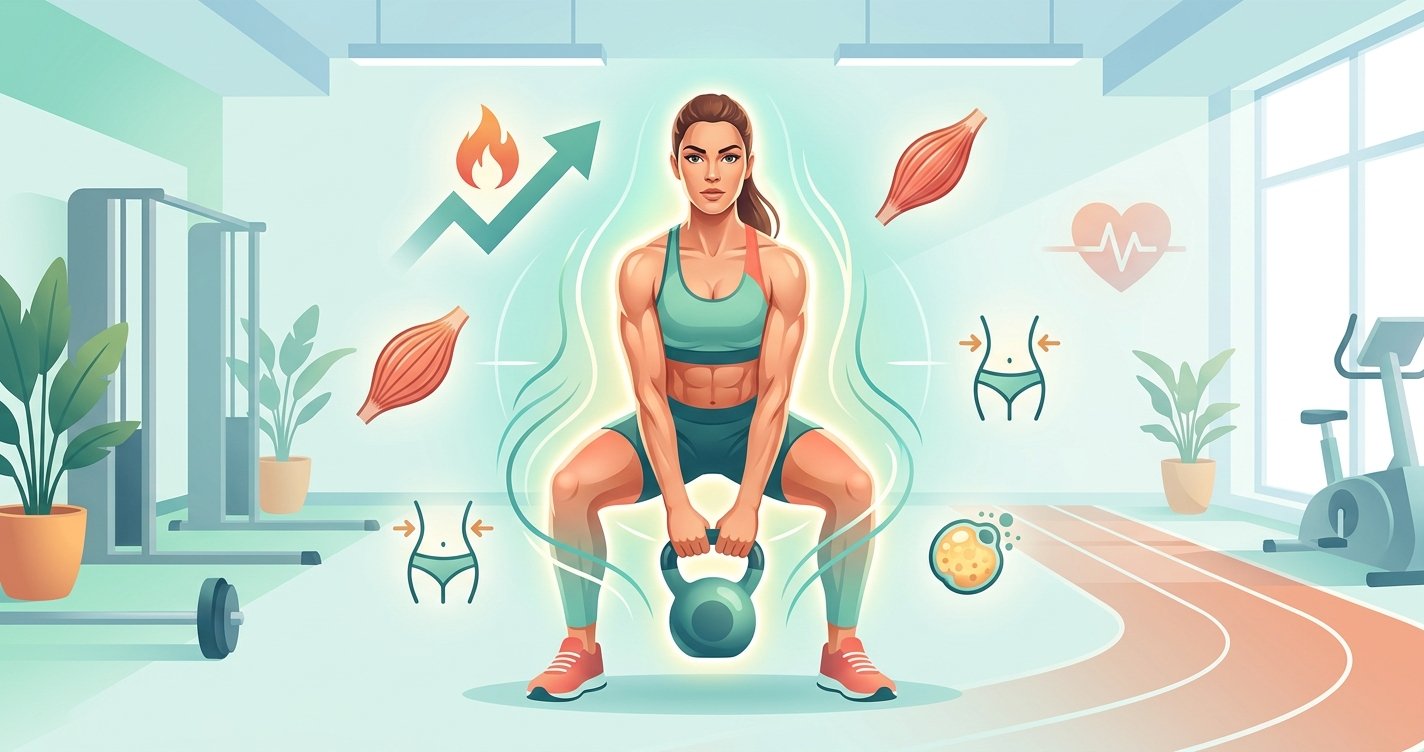
The Unsung Hero of Fat Loss: Why Strength Training Trumps Cardio Alone
When you picture someone trying to lose weight, what comes to mind? For many, it's endless hours on the treadmill, stationary bike, or elliptical. While cardio certainly has its place in a healthy lifestyle, if fat loss is your primary goal, you might be overlooking the most powerful tool in your arsenal: strength training. It's time to shift our focus from just burning calories during a workout to building a body that burns more calories all the time. Let's unlock the secrets of why lifting weights isn't just for bodybuilders, but for anyone serious about sustainable, effective fat loss.
Forget the myth that strength training is only about bulking up. For most people, especially women, it's about sculpting a stronger, leaner physique, boosting your metabolism, and transforming your body composition in ways cardio simply can't. Ready to discover the evidence-based truth and embrace a more powerful path to fat loss? this excellent wellness product
Beyond the Treadmill: Why Strength Training is a Fat Loss Game-Changer
Let's dive into the science-backed reasons why resistance training is your best friend when it comes to shedding unwanted fat and keeping it off.
Boost Your Metabolism: The Afterburn Effect (EPOC)
Ever felt completely wiped out after an intense weightlifting session, even hours later? That's your body hard at work! Strength training triggers something called Excess Post-exercise Oxygen Consumption (EPOC), often referred to as the 'afterburn effect.' Unlike steady-state cardio, which primarily burns calories during the activity itself, strength training causes your body to continue burning a significant amount of calories for hours, and sometimes even days, after your workout is over. This is because your body needs extra oxygen to repair muscle tissue, replenish energy stores, and return to its resting state. It's like getting paid to work even after you've clocked out!
Build Muscle, Burn More Fat at Rest
This is perhaps the most crucial benefit. Muscle tissue is significantly more metabolically active than fat tissue. What does that mean for you? The more muscle you have, the higher your resting metabolic rate (RMR) will be. Your RMR is the number of calories your body burns just to perform basic functions like breathing, circulating blood, and thinking – even when you're doing absolutely nothing. By building lean muscle mass through strength training, you essentially turn your body into a more efficient, 24/7 fat-burning machine. Imagine burning more calories while you sleep, watch TV, or work at your desk – that's the power of muscle!
Sculpt Your Body: The Power of Body Recomposition
When you focus solely on weight loss, you might lose both fat and muscle. This can leave you looking 'skinny fat' – a lower number on the scale, but still lacking definition and firmness. Strength training, however, is all about body recomposition. This means simultaneously building muscle and losing fat. You might even find that the number on the scale doesn't change dramatically, but your clothes fit better, your body looks more toned, and you feel stronger and more confident. This is because muscle is denser than fat, so a pound of muscle takes up less space than a pound of fat. Your body shape will transform in incredible ways that simply cutting calories or doing endless cardio can't achieve.
Practical Steps to Get Started with Strength Training for Fat Loss
Ready to embrace the weights? Here’s how to get started safely and effectively:
- Start Smart: Form Over Weight: Never sacrifice good form for heavier weights. Begin with lighter weights or even just your body weight (think squats, push-ups, lunges) to master the movement patterns. Watching instructional videos, hiring a trainer for a few sessions, or joining a beginner-friendly class can be incredibly helpful.
- Consistency is Key: How Often to Train: Aim for 2-4 strength training sessions per week. This allows enough frequency to stimulate muscle growth while providing adequate rest for recovery. Ensure you work all major muscle groups over the course of the week.
- Progressive Overload: The Secret Sauce: To continue seeing results, you need to challenge your muscles. This is called progressive overload. It means gradually increasing the demands on your muscles over time. This could involve:
- Increasing the weight you lift.
- Doing more repetitions (reps) with the same weight.
- Doing more sets of an exercise.
- Decreasing rest time between sets.
- Increasing the frequency of your workouts.
- Fuel Your Progress: Nutrition for Muscle Growth and Fat Loss: To build muscle and lose fat, your diet is crucial. Focus on a moderate calorie deficit (to encourage fat loss) combined with a high protein intake (to support muscle repair and growth). Aim for 0.7-1 gram of protein per pound of body weight daily. Don't forget healthy fats and complex carbohydrates for energy.
- Don't Forget Recovery: Sleep and Rest Days: Your muscles don't grow in the gym; they grow and repair during rest. Prioritize 7-9 hours of quality sleep per night. Incorporate active recovery days (light walks, stretching) and complete rest days into your routine. Overtraining can hinder progress and lead to injury.
Common Myths Debunked: Strength Training & Fat Loss
Let's tackle some common misconceptions that might be holding you back.
"I'll Get Too Bulky!" (Especially for Women)
This is perhaps the biggest fear, particularly among women, and it's largely unfounded. Building significant muscle mass like a bodybuilder requires an extremely specific diet, intense training for many years, and often, hormonal advantages that most women simply don't possess naturally. What you will achieve is a toned, sculpted, and strong physique – not a bulky one. Embracing strength training will lead to a more athletic and defined look, not an overly muscular one.
"Cardio is Better for Fat Burning"
While cardio does burn more calories during the actual workout session, we've already discussed the 'afterburn effect' and increased resting metabolism that strength training provides. For sustainable, long-term fat loss and body recomposition, strength training offers a distinct advantage. Think of cardio as a quick sprint, and strength training as building a faster, more efficient engine for life. For optimal results, a combination of both is often recommended, but don't let cardio overshadow the power of weights.
Integrating Strength Training into Your Lifestyle
Making strength training a sustainable part of your routine is key. It doesn't mean spending hours in the gym every day. Here are some tips:
- Find What You Enjoy: Whether it's lifting free weights, using machines, trying a CrossFit class, practicing Pilates, or doing bodyweight circuits at home, find an activity you genuinely like. Enjoyment leads to consistency.
- Set Realistic Goals: Don't expect to transform overnight. Celebrate small victories – an extra rep, a heavier weight, improved form.
- Listen to Your Body: Some soreness is normal, but sharp pain is a warning sign. Adjust your workouts as needed and don't be afraid to take an extra rest day.
- Seek Guidance: If you're unsure, invest in a few sessions with a certified personal trainer. They can create a personalized plan and teach you proper technique, setting you up for success.
Conclusion
If you've been relying solely on cardio for fat loss, it's time to re-evaluate your strategy. Strength training isn't just about building impressive muscles; it's about transforming your body from the inside out. It's about boosting your metabolism, sculpting a more defined physique, and creating a sustainable path to a healthier, stronger you. By embracing the weights, you're not just losing fat; you're building confidence, increasing your strength, and investing in your long-term health. So, ditch the fear of getting "bulky," pick up those weights, and start your journey to becoming the strongest, leanest version of yourself. Your body will thank you!