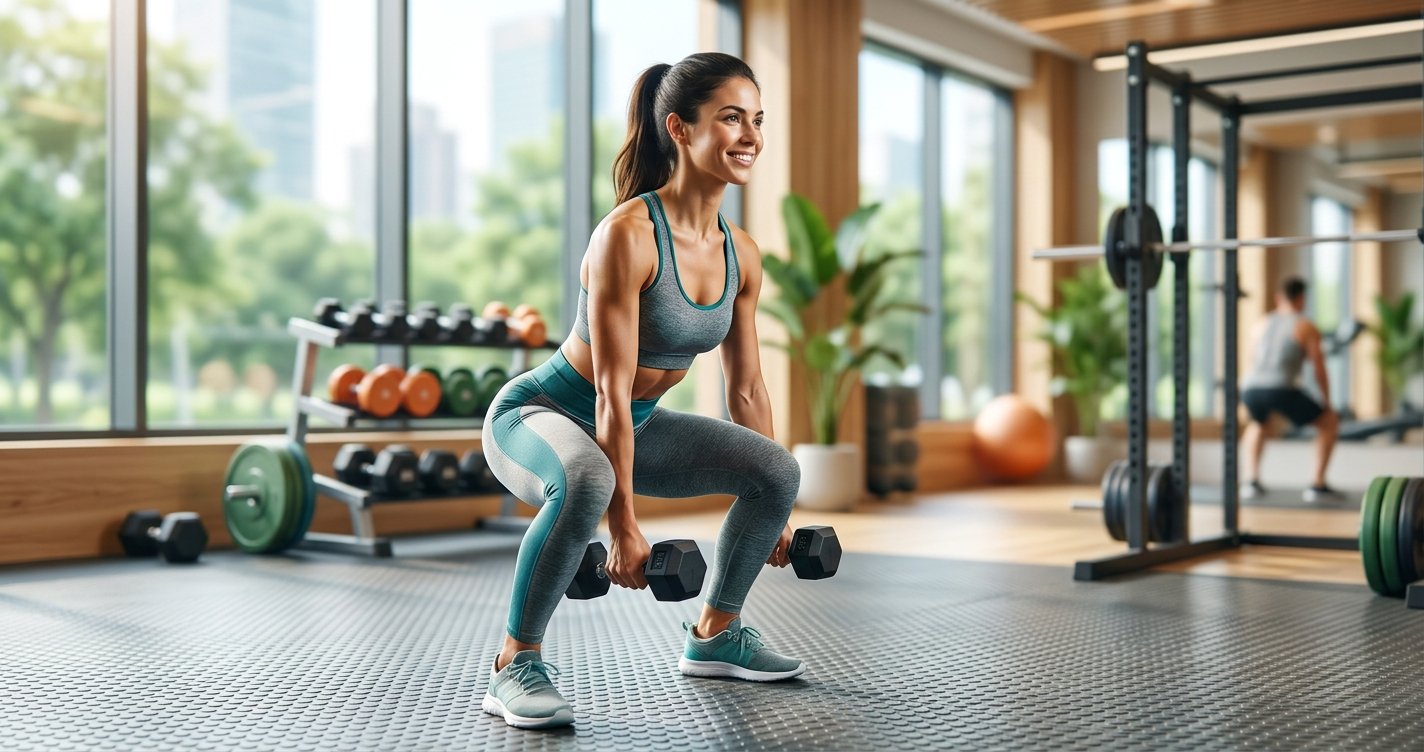
When you think about fat loss, what’s the first thing that comes to mind? For many, it's endless hours on the treadmill, restrictive diets, or grueling cardio sessions. While cardio certainly has its place, there's a powerful, often underestimated secret weapon in the fat loss arsenal: strength training. It’s not just for bodybuilders or athletes; it’s for anyone looking to transform their body, boost their metabolism, and achieve sustainable, long-term fat loss.
Forget the myth that lifting weights will make you "bulky" – especially if you’re a woman. Instead, embrace the truth: strength training is your direct path to a leaner, stronger, and more metabolically active you. This evidence-based guide will uncover why resistance training is critical for shedding fat, how to get started effectively, and how to integrate it seamlessly into your fat loss journey. this excellent wellness product
Why Strength Training is Your Fat Loss Secret Weapon
Let's dive into the compelling reasons why incorporating weights into your routine is a game-changer for fat loss, far beyond what cardio alone can offer.
Burn More Calories, Even at Rest (Metabolic Boost)
Here’s the golden ticket: muscle is metabolically active tissue. This means that muscle burns more calories at rest than fat does. By increasing your muscle mass through strength training, you effectively turn your body into a more efficient fat-burning machine 24/7, even when you’re sleeping or binge-watching your favorite show. This phenomenon, known as your Basal Metabolic Rate (BMR), gets a significant upgrade when you build more muscle. Think of it as investing in an internal furnace that keeps burning brighter.
Preserve Muscle, Lose Pure Fat
When you embark on a calorie deficit (eating fewer calories than you burn) without strength training, your body often loses both fat and muscle. Losing muscle is detrimental because it slows down your metabolism, making future fat loss harder and leading to a "skinny fat" appearance. Strength training signals to your body that you need to retain that valuable muscle tissue, ensuring that the weight you lose comes primarily from fat stores. This is the essence of body recomposition – changing your body's fat-to-muscle ratio for a fitter physique.
Shape Your Body, Not Just Shrink It
Cardio can help you lose weight, but it won't necessarily sculpt your body. Strength training, on the other hand, allows you to intentionally build and shape specific muscle groups. Want more defined shoulders, stronger glutes, or toned arms? Lifting weights is how you achieve that. You’re not just shrinking your overall size; you're actively creating a more athletic, aesthetically pleasing, and functional physique.
Boost Bone Health and Overall Well-being
Beyond the aesthetic and metabolic benefits, strength training offers a plethora of health advantages. It significantly improves bone density, reducing the risk of osteoporosis as you age. It also enhances joint stability, improves posture, reduces the risk of injuries, and can even boost your mood and cognitive function. The confidence you gain from getting stronger is an incredible bonus that extends far beyond the gym.
Getting Started: Your Strength Training Blueprint
Ready to lift? Here’s how to build a smart, effective strength training routine that drives fat loss.
Choose Your Tools: Gym, Home, or Bodyweight?
- Gym: Offers the widest range of equipment (barbells, dumbbells, machines) for progressive overload and variety. Ideal for serious strength gains.
- Home with Equipment: Adjustable dumbbells, resistance bands, kettlebells, and a bench can create a highly effective home gym.
- Bodyweight: Don't underestimate the power of bodyweight exercises (squats, lunges, push-ups, planks). They're excellent for beginners and can be advanced with variations.
The best option is the one you'll stick with consistently. Start where you are comfortable and gradually challenge yourself.
Master the Basics: Compound Movements First
Focus on compound exercises that work multiple muscle groups simultaneously. These are the most efficient for building strength and burning calories:
- Squats: (Goblet squats, back squats, front squats)
- Deadlifts: (Conventional, Romanian, sumo)
- Presses: (Overhead press, bench press, push-ups)
- Rows: (Dumbbell rows, barbell rows, pull-ups/lat pulldowns)
- Lunges: (Forward, reverse, walking)
Start with lighter weights to perfect your form. Proper technique is paramount to prevent injury and maximize muscle activation.
Progressive Overload: The Key to Continuous Progress
Your muscles adapt. To keep getting stronger and continue stimulating fat loss, you need to continually challenge them. This is progressive overload. It means:
- Increasing Weight: Lifting heavier dumbbells or adding plates to the bar.
- Increasing Reps/Sets: Doing more repetitions or more sets with the same weight.
- Improving Form: Performing the same exercise with better control and deeper range of motion.
- Decreasing Rest Time: Between sets, keeping your heart rate up.
- Increasing Frequency: Training a muscle group more often.
Without progressive overload, your body has no reason to adapt and grow stronger.
How Often and How Long? (Frequency & Duration)
For most beginners and intermediates aiming for fat loss, 3-4 strength training sessions per week are ideal. This allows for adequate recovery between workouts while providing enough stimulus for muscle growth. Each session should last approximately 45-75 minutes, including a warm-up and cool-down. Focus on quality over quantity; intense, focused sessions are more effective than long, unfocused ones.
Fueling Your Progress: Nutrition for Strength & Fat Loss
You can't out-train a bad diet. Nutrition is paramount when combining strength training with fat loss goals.
Protein is King (Again!)
To build and preserve muscle while in a calorie deficit, adequate protein intake is non-negotiable. Aim for 0.7-1 gram of protein per pound of body weight (or 1.6-2.2 grams per kilogram). Prioritize lean sources like chicken breast, fish, lean beef, eggs, dairy, and plant-based proteins like lentils, beans, and tofu. Distribute your protein intake throughout the day to optimize muscle protein synthesis.
Smart Carb Choices
Carbohydrates provide the energy needed for intense workouts and help with muscle recovery. Don't eliminate them! Focus on complex carbohydrates like whole grains (oats, brown rice, quinoa), fruits, and vegetables. These provide sustained energy and essential micronutrients. Time your carb intake around your workouts for optimal performance.
Don't Fear Healthy Fats
Fats are crucial for hormone production, nutrient absorption, and overall health. Include healthy fats from sources like avocados, nuts, seeds, olive oil, and fatty fish. While fats are calorie-dense, they are vital for satiety and bodily functions. Just be mindful of portion sizes.
The Calorie Deficit Sweet Spot
Remember, to lose fat, you still need to consume fewer calories than you burn. Strength training helps increase the "burn" side of the equation. Aim for a moderate deficit (around 300-500 calories below your maintenance) to ensure sustainable fat loss while preserving muscle. A drastic deficit can lead to muscle loss and make you feel sluggish.
Common Misconceptions & What to Avoid
Let's debunk some common myths that might be holding you back.
"I'll Get Too Bulky!" (Especially for women)
This is perhaps the biggest misconception. Women simply do not have the same levels of testosterone as men, which is the primary hormone responsible for significant muscle hypertrophy (bulk). Building substantial muscle takes years of dedicated, very heavy lifting, and often a calorie surplus. For most women, strength training will lead to a toned, lean, and athletic physique, not a "bulky" one.
"Cardio is Enough"
While cardio is great for cardiovascular health and burning calories during the workout, it's less effective at building muscle or significantly boosting your metabolism long-term compared to strength training. A balanced approach combining both is often ideal, but for body recomposition and sustainable fat loss, strength training should be the cornerstone.
Over-training vs. Smart Training
More isn't always better. Overtraining can lead to fatigue, decreased performance, increased injury risk, and even hinder fat loss due to elevated stress hormones. Listen to your body, prioritize recovery, and ensure you're getting adequate sleep and nutrition. Consistency with smart training beats sporadic, excessive workouts every time.
Beyond the Weights: Lifestyle for Success
Your journey to fat loss and a stronger body extends beyond the gym floor and kitchen.
Prioritize Sleep
Sleep is when your body repairs and rebuilds muscle tissue. Lack of sleep can disrupt hormones that regulate appetite (ghrelin and leptin) and increase cortisol (a stress hormone that can promote fat storage). Aim for 7-9 hours of quality sleep per night.
Manage Stress
Chronic stress also elevates cortisol, which can make fat loss incredibly challenging, particularly around the midsection. Incorporate stress-reducing activities like meditation, yoga, spending time in nature, or hobbies you enjoy.
Stay Hydrated
Water is essential for nearly every bodily function, including metabolism and muscle performance. Aim to drink plenty of water throughout the day. Sometimes, thirst is mistaken for hunger, so staying hydrated can also help with appetite control.
Your Stronger, Leaner Self Awaits!
Embracing strength training for fat loss isn't just about changing your body; it's about changing your relationship with your body, discovering your strength, and building lasting confidence. It’s a sustainable, empowering approach that delivers results far beyond the scale. Start small, focus on consistency, prioritize proper form, fuel your body wisely, and remember that every lift is a step towards a stronger, leaner, and healthier you. Don't wait – pick up those weights and start sculpting the body you've always wanted today!