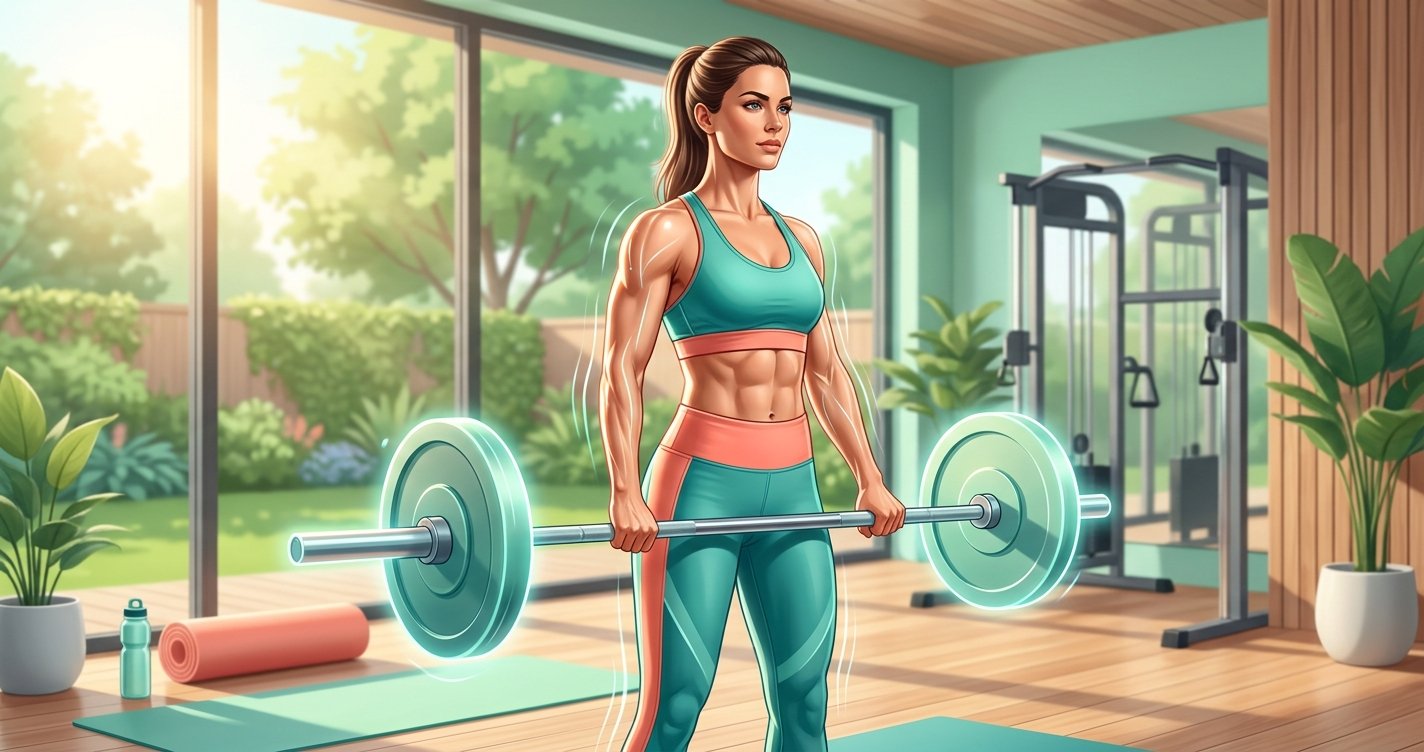
Lift Your Way to Lean: Why Strength Training is Your Secret Weapon for Sustainable Fat Loss
Are you on a quest for sustainable fat loss? You might be spending hours on the treadmill, diligently counting calories, and yet feeling frustrated with slow progress or a lack of definition. If this sounds familiar, it’s time to rethink your strategy. While cardio and nutrition are undoubtedly crucial, there’s a powerful, often underestimated player in the fat loss game: strength training. Forget the misconception that lifting weights is just for bodybuilders or will make you "bulky." For anyone looking to shed fat, sculpt their physique, and boost their metabolism, strength training is not just beneficial – it's a game-changer. Let’s dive into the evidence and discover why picking up those weights is one of the smartest moves you can make on your fat loss journey.
Why Strength Training Trumps Cardio Alone for Fat Loss
When it comes to fat loss, many immediately think of endless cardio sessions. While cardio burns calories during the workout, strength training offers unique, long-lasting benefits that make it superior for sustainable fat loss and body recomposition. this excellent wellness product
The Metabolism-Boosting Effect: EPOC & Muscle Mass
One of the most compelling reasons to lift weights for fat loss is its impact on your metabolism. When you engage in intense strength training, your body experiences something called Excess Post-exercise Oxygen Consumption (EPOC), often referred to as the "afterburn effect." This means your body continues to burn extra calories at an elevated rate for hours, and sometimes even days, after your workout as it recovers and repairs muscle tissue. While cardio also produces EPOC, the effect from strength training is generally more pronounced and prolonged.
Even more significantly, building muscle directly increases your resting metabolic rate (RMR). Muscle tissue is metabolically more active than fat tissue, meaning it burns more calories at rest. Imagine your body as a car: the more muscle you have, the bigger its engine, and the more fuel it needs just to sit idle. So, by adding muscle, you're essentially turning your body into a more efficient, fat-burning machine 24/7, even when you're sleeping!
Preserving Muscle During a Calorie Deficit
To lose fat, you need to be in a calorie deficit (consuming fewer calories than you burn). However, a common challenge with simply restricting calories or relying solely on cardio is that your body can sometimes break down muscle along with fat. This is counterproductive for your metabolism and overall health.
Strength training sends a crucial signal to your body: "Keep this muscle! It's being used!" By consistently challenging your muscles, you help preserve lean mass even while in a calorie deficit. This ensures that the weight you're losing is predominantly fat, not valuable muscle tissue.
Body Composition Magic: Reshaping Your Physique
While the scale might show a lower number with cardio and diet alone, strength training offers something more profound: body recomposition. This means changing the ratio of fat to muscle in your body. You might not see a drastic drop on the scale initially, but you'll notice significant changes in how your clothes fit, how firm your body feels, and how much more sculpted you look. You're not just losing weight; you're building a stronger, more defined version of yourself.
Getting Started: Your Strength Training Blueprint
Ready to embrace the weights? Here’s a simple blueprint to get you started on your fat loss journey with strength training.
Frequency and Volume: How Often Should You Lift?
For optimal fat loss and muscle building, aim for 2-4 strength training sessions per week. Beginners might start with 2-3 full-body workouts, allowing ample recovery time. As you progress, you can increase to 3-4 sessions, potentially splitting workouts to focus on different muscle groups (e.g., upper body/lower body or push/pull/legs).
- Beginners: 2-3 full-body workouts per week, 3 sets of 8-12 repetitions per exercise.
- Intermediate/Advanced: 3-4 sessions, potentially split routines, 3-4 sets of 6-12 repetitions.
Ensure you're lifting a weight that challenges you, where the last few reps are difficult to complete with good form.
Exercise Selection: Compound vs. Isolation Movements
Focus primarily on compound exercises. These movements engage multiple joints and muscle groups simultaneously, making them incredibly efficient for burning calories, building overall strength, and stimulating muscle growth. Examples include:
- Squats: Barbell squats, goblet squats, front squats
- Deadlifts: Conventional deadlifts, sumo deadlifts, Romanian deadlifts
- Presses: Bench press, overhead press, push-ups
- Rows: Barbell rows, dumbbell rows, pull-ups (assisted if needed)
- Lunges: Walking lunges, reverse lunges
You can supplement with isolation exercises (like bicep curls or tricep extensions) to target specific muscles, but the bulk of your workout should be compound movements.
Progressive Overload: The Key to Continued Progress
Your muscles adapt quickly. To continue seeing results, you must continually challenge them. This is known as progressive overload. It means gradually increasing the demands on your muscles over time. This can be achieved by:
- Increasing the weight: Lift heavier than last time.
- Increasing repetitions: Do more reps with the same weight.
- Increasing sets: Add an extra set to an exercise.
- Decreasing rest time: Shorten the breaks between sets.
- Improving form: Execute the movement with better control and range of motion.
Without progressive overload, your body has no reason to adapt, and your progress will stall. Keep a workout log to track your progress and ensure you're consistently pushing yourself a little further.
Fueling Your Progress: Nutrition for Strength & Fat Loss
You can't out-train a poor diet. Nutrition is paramount for both fat loss and supporting your strength training efforts.
Prioritizing Protein: The Building Block for Muscle
Protein is your best friend when it comes to fat loss and muscle building. It's crucial for muscle repair and growth, and it's also highly satiating, helping you feel fuller for longer, which is a huge advantage when in a calorie deficit. Aim for 0.7-1 gram of protein per pound of body weight daily. Good sources include lean meats, poultry, fish, eggs, dairy, legumes, and protein supplements.
Smart Carb and Fat Choices
Don't fear carbs or fats! They are essential for energy and hormone function. Focus on complex carbohydrates like whole grains, fruits, and vegetables, which provide sustained energy and fiber. Include healthy fats from sources like avocados, nuts, seeds, and olive oil for overall health and satiety. The key is moderation and choosing nutrient-dense options within your calorie goals.
Hydration Matters
Water is often overlooked but plays a vital role in metabolism, nutrient transport, and exercise performance. Aim to drink plenty of water throughout the day, especially around your workouts.
Common Myths Debunked (Especially for Women)
Let's address some persistent myths that often deter people, especially women, from embracing strength training.
"Lifting Will Make Me Bulky"
This is perhaps the biggest myth holding women back. Building significant muscle mass like a competitive bodybuilder requires a very specific training regimen, an extremely high calorie intake, and often, hormonal support that most women naturally lack. Women have much lower levels of testosterone, the primary hormone responsible for muscle hypertrophy, than men. What strength training will do is create a toned, lean, and strong physique. You'll likely find yourself looking more athletic and defined, not "bulky."
"I Need to Do Hours of Cardio to Lose Weight"
While cardio has its place for cardiovascular health and calorie expenditure, it's not the only, or even the most efficient, tool for fat loss. Focusing solely on cardio without strength training can lead to a "skinny fat" physique – low body weight but still a high percentage of body fat. Combining strength training with moderate cardio (or even high-intensity interval training, HIIT) is a much more effective strategy for overall fat loss and body shaping.
Beyond the Gym: Lifestyle Factors for Success
Your success isn't just about what happens in the gym. Lifestyle factors play a huge role in your fat loss journey.
The Power of Sleep
Adequate sleep (7-9 hours per night) is non-negotiable for fat loss and muscle recovery. Poor sleep can disrupt hormones that regulate appetite (ghrelin and leptin), increase cortisol (a stress hormone that can promote fat storage), and impair your energy levels and workout performance.
Managing Stress
Chronic stress, like poor sleep, can elevate cortisol levels, making fat loss incredibly challenging, especially around the midsection. Incorporate stress-reduction techniques into your daily routine, such as meditation, yoga, spending time in nature, or simply taking time for hobbies you enjoy.
Consistency is King
The most effective program is the one you stick with. Results don't happen overnight. Be patient, be consistent, and trust the process. Celebrate small victories and remember why you started.
Conclusion: Embrace the Strength Within You
Strength training is far more than just building big muscles; it's about building a stronger, healthier, and more confident you. It's your secret weapon for accelerating fat loss, boosting your metabolism, reshaping your body, and improving your overall quality of life. By incorporating weights into your routine, prioritizing protein, getting enough sleep, and managing stress, you'll not only achieve your fat loss goals but also cultivate a powerful sense of accomplishment and resilience. So, ditch the fear, pick up those weights, and start lifting your way to a leaner, stronger, and more vibrant you. You've got this!