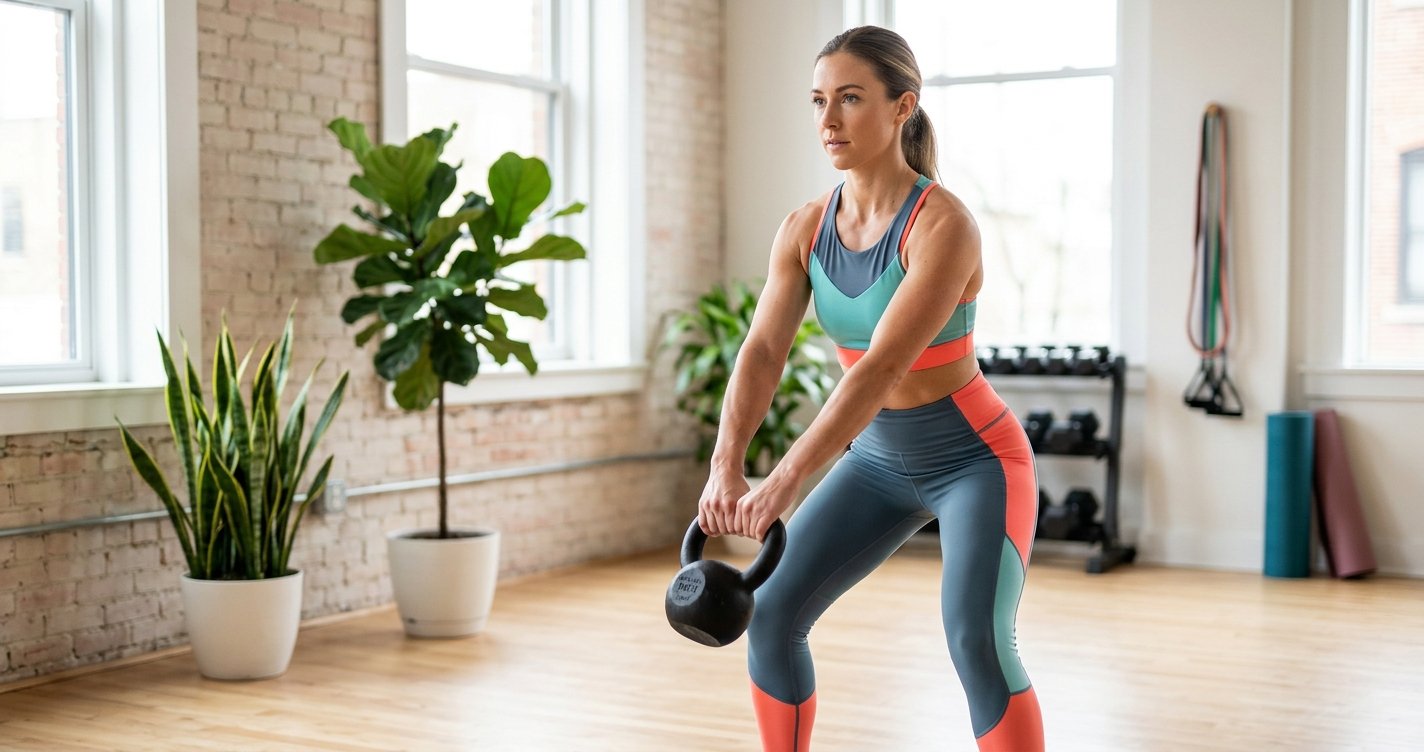
When it comes to fat loss, many people immediately think of endless cardio and strict diets. While these play a role, there's a powerful, often underestimated tool that can revolutionize your journey: strength training. Forget the outdated notion that lifting weights is just for bodybuilders or will make you "bulky." The truth is, incorporating strength training into your routine is one of the most effective, sustainable, and empowering ways to shed fat, sculpt your body, and boost your overall health. And don't worry, we're here to guide you through the evidence, bust some myths, and set you up for success!
Beyond the Scale: The Science-Backed Benefits of Lifting for Fat Loss
Let's dive into why strength training isn't just a good idea, but a game-changer for anyone looking to lose fat effectively and keep it off. this excellent wellness product
Boost Your Metabolism: The Afterburn Effect (EPOC)
One of the coolest things about strength training is what happens after your workout. It's called Excess Post-exercise Oxygen Consumption (EPOC), or the "afterburn effect." Unlike steady-state cardio, intense strength training creates a significant metabolic disturbance that requires your body to use more oxygen and energy to recover, repair muscle tissue, and return to its resting state. This means you continue to burn more calories for hours, sometimes even days, after you've left the gym. Think of it as getting paid to work even after you've clocked out!
Build Muscle, Burn More Calories (Even at Rest)
Muscle is metabolically active tissue. This means it requires more energy (calories) to maintain than fat tissue, even when you're just sitting on the couch. By building muscle through strength training, you effectively turn your body into a more efficient calorie-burning machine 24/7. The more muscle you have, the higher your resting metabolic rate (RMR), meaning you'll burn more calories throughout the day without lifting a finger.
Sculpt Your Body: Beyond "Skinny"
While fat loss often focuses on the number on the scale, strength training offers a transformative benefit that cardio alone can't: body recomposition. You can lose fat and gain muscle simultaneously, leading to a leaner, more toned physique. You might even find that your weight stays the same or increases slightly due to muscle gain, but your clothes fit better, and you look and feel much stronger and more confident. This is about changing your body's shape, not just its size.
Preserve Muscle During Calorie Deficit
To lose fat, you generally need to be in a calorie deficit (consuming fewer calories than you burn). However, without strength training, a calorie deficit can lead to both fat and muscle loss. This is counterproductive for your metabolism and overall health. Strength training signals to your body that your muscles are important and need to be preserved, encouraging it to prioritize burning fat for energy instead of breaking down hard-earned muscle. This is crucial for sustainable fat loss and maintaining a healthy metabolism long-term.
Debunking Myths: Lifting Won't Make You "Bulky" (Especially for Women)
This is perhaps the biggest misconception, especially prevalent among women. Many fear that lifting weights will make them look like professional bodybuilders. Let's set the record straight:
- Hormonal Differences: Women naturally have much lower levels of testosterone than men, which is the primary hormone responsible for significant muscle growth. Building substantial muscle mass takes years of dedicated, intense training, and often a very specific diet (and sometimes even performance-enhancing drugs).
- Lean and Toned: For most people, consistent strength training will lead to a lean, strong, and toned physique, not a bulky one. You'll gain definition, improve your posture, and feel incredibly strong without looking like you're about to step onto a bodybuilding stage.
- You're in Control: You dictate the intensity and volume of your training. If you feel you're getting "too big" (which is highly unlikely for most), you can adjust your program.
Getting Started: Your Beginner-Friendly Strength Training Plan
Ready to embrace the weights? Here’s how to start safely and effectively:
Focus on Compound Movements
These exercises work multiple muscle groups and joints simultaneously, making them incredibly efficient for building strength and burning calories. Think:
- Squats (goblet squats, bodyweight squats)
- Deadlifts (romanian deadlifts, sumo deadlifts)
- Lunges
- Push-ups (on knees or incline if needed)
- Rows (dumbbell rows, bent-over rows)
- Overhead Press
The Right Reps and Sets for Fat Loss
For fat loss and muscle building, aim for a rep range of 6-12 repetitions per set, for 3-4 sets per exercise. Choose a weight that challenges you by the last few reps but allows you to maintain good form. If you can easily do more than 12 reps, it's time to increase the weight!
Progressive Overload: The Key to Continued Progress
To keep making progress, you need to continually challenge your muscles. This is called progressive overload. It means gradually increasing the demands on your body over time. This can be done by:
- Increasing the weight
- Doing more reps with the same weight
- Doing more sets
- Decreasing rest time between sets
- Improving your form
Sample Weekly Schedule
Aim for 2-4 strength training sessions per week, allowing for rest days in between. A full-body approach is excellent for beginners:
- Monday: Full Body Workout
- Tuesday: Active Recovery (walk, light stretch) or Rest
- Wednesday: Full Body Workout
- Thursday: Active Recovery or Rest
- Friday: Full Body Workout
- Saturday & Sunday: Rest or Light Activity
Integrating Nutrition for Optimal Results
Remember, you can't out-train a poor diet. Nutrition is paramount for fat loss, and it works hand-in-hand with strength training.
Protein is Your Best Friend
Protein is crucial for muscle repair and growth. It's also highly satiating, helping you feel fuller for longer, which can prevent overeating. Aim for 0.7-1 gram of protein per pound of body weight daily, spread throughout your meals. Lean meats, poultry, fish, eggs, dairy, legumes, and protein supplements are great sources.
Smart Carb and Fat Choices
Don't demonize carbs or fats! They are essential for energy and hormone function. Focus on complex carbohydrates (whole grains, fruits, vegetables) for sustained energy around your workouts, and healthy fats (avocado, nuts, seeds, olive oil) for overall health. Portion control is key here.
Hydration and Micronutrients
Drink plenty of water throughout the day. Dehydration can impair performance and metabolism. Ensure a diet rich in fruits and vegetables to get essential vitamins and minerals that support all bodily functions, including fat metabolism.
Beyond the Gym: Lifestyle Factors for Success
Your fat loss journey extends beyond your workouts and meals.
Prioritize Sleep
Aim for 7-9 hours of quality sleep per night. Lack of sleep can disrupt hormones that regulate appetite (ghrelin and leptin), increase cortisol (a stress hormone linked to belly fat), and impair muscle recovery. Sleep is your body's natural reset button.
Manage Stress
Chronic stress also elevates cortisol levels, making fat loss more challenging. Find healthy ways to manage stress, such as meditation, yoga, spending time in nature, or hobbies you enjoy.
Consistency Over Perfection
Life happens. You'll miss a workout or have an indulgent meal. Don't let one slip-up derail your entire journey. Consistency over time is what yields results. Get back on track with your next meal or workout, and don't dwell on perfection.
Measuring Progress Beyond the Scale
The scale doesn't tell the whole story, especially when you're building muscle. Here are better ways to track your success:
- How Your Clothes Fit: This is often the most satisfying indicator. If your clothes are looser, you're making progress!
- Strength Gains: Are you lifting heavier? Doing more reps? This is a clear sign of progress and muscle development.
- Energy Levels and Mood: Feeling more energetic, sleeping better, and having an improved mood are fantastic non-scale victories.
- Body Measurements and Photos: Take measurements of your waist, hips, arms, and legs every 4-6 weeks. Progress photos (front, side, back) every month or two can reveal subtle changes you might not notice day-to-day.
Embrace the Journey: Stronger, Healthier, Happier You
Strength training is more than just a tool for fat loss; it's an investment in your long-term health, strength, and confidence. It empowers you to feel capable, resilient, and in control of your body. By combining consistent strength training with smart nutrition and healthy lifestyle habits, you're not just losing fat; you're building a stronger, healthier, and happier version of yourself. So, pick up those weights, embrace the challenge, and unlock your incredible potential. Your body (and mind) will thank you!