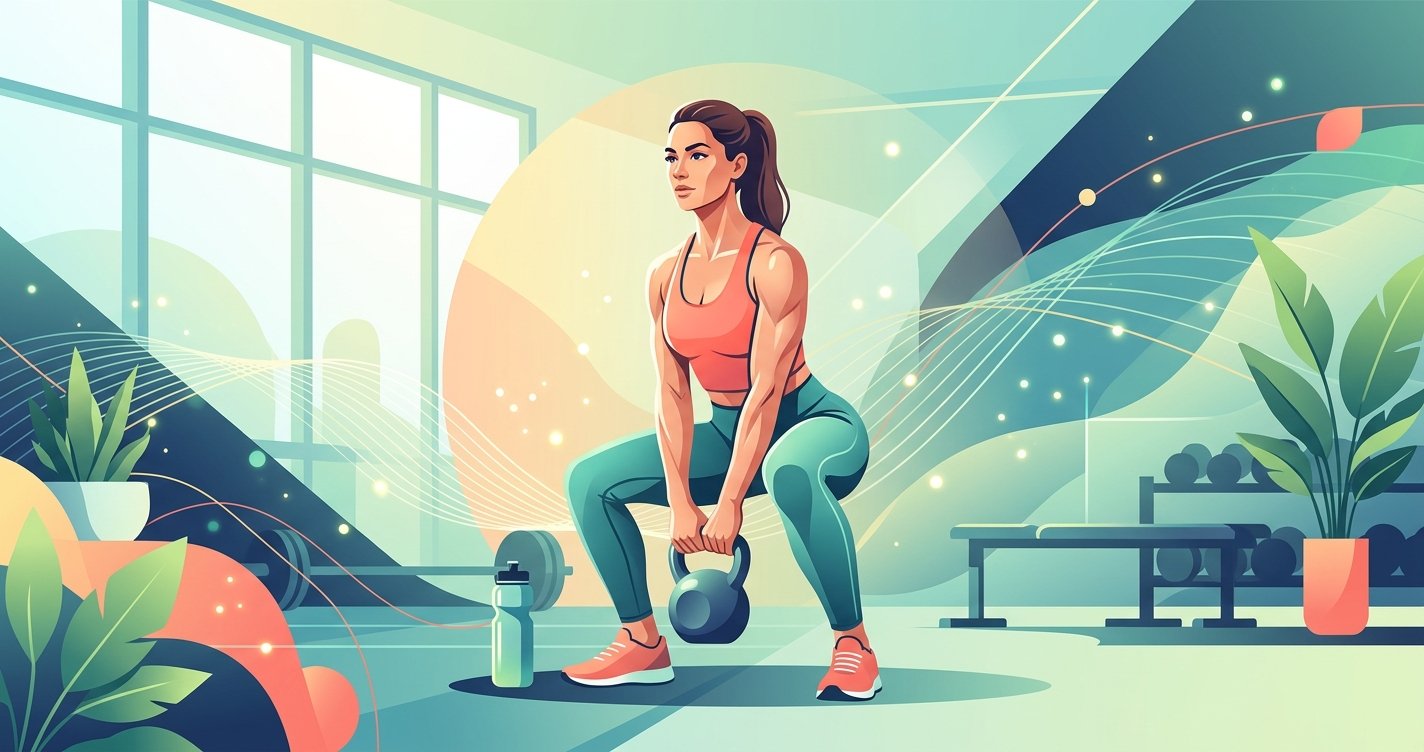
When you picture 'fat loss,' what’s the first thing that comes to mind? For many, it's endless cardio sessions, restrictive diets, and hours spent sweating on a treadmill. While cardio and nutrition are undeniably important pieces of the puzzle, there's a powerful, often underestimated, tool that can revolutionize your fat loss journey: strength training. Far from just building bulky muscles, lifting weights is a game-changer for shedding body fat, boosting your metabolism, and sculpting a body you feel confident and strong in. Ready to discover why barbells and dumbbells might just be your new best friends on the path to a leaner you? Let's dive in!
Why Strength Training is a Game-Changer for Fat Loss (Beyond Just Burning Calories)
It's true that strength training burns calories during your workout, but its real magic happens long after you've put the weights down. This 'afterburn' effect, combined with its impact on your metabolism and body composition, makes it uniquely effective for sustainable fat loss. this excellent wellness product
The "Afterburn Effect" (EPOC)
Ever felt like your body was still working hard even an hour after a intense weightlifting session? That's the Excess Post-exercise Oxygen Consumption (EPOC) at play, often called the 'afterburn effect.' Strength training, especially when challenging, creates a significant metabolic disturbance. Your body needs extra oxygen and energy to recover, repair muscle tissue, and return to a pre-exercise state. This process can keep your metabolism elevated for up to 24-48 hours post-workout, meaning you're burning more calories even at rest!
Building Muscle, Boosting Metabolism
Here's a fundamental truth about your body: muscle tissue is metabolically more active than fat tissue. This means that for every pound of muscle you gain, your body burns more calories at rest, even when you're just sitting on the couch. By increasing your muscle mass through strength training, you're essentially turning your body into a more efficient, fat-burning machine 24/7. This metabolic boost is a key reason why strength training is so powerful for long-term fat loss and weight management.
Reshaping Your Body Composition
Fat loss isn't just about the number on the scale; it's about changing your body composition – the ratio of fat to muscle. Strength training helps you achieve a leaner, more toned physique by simultaneously building muscle and reducing fat. You might even find that your weight stays relatively stable, but your clothes fit better, and you look visibly leaner. This is a clear sign that you're losing fat and gaining valuable muscle, transforming your body from the inside out.
Debunking Common Myths About Lifting Weights
It's time to set the record straight on some pervasive misconceptions that might be holding you back from embracing strength training.
Myth 1: "Lifting Makes Women Bulky"
This is perhaps the most common myth, especially among women. Rest assured, unless you're specifically training for competitive bodybuilding with a highly specialized diet and often pharmacological assistance, you will not accidentally become 'bulky.' Women naturally have much lower levels of testosterone, the primary hormone responsible for significant muscle mass growth. What you will achieve is a toned, strong, and shapely physique – think defined arms, sculpted shoulders, and firm glutes.
Myth 2: "Cardio is Better for Fat Loss"
While cardio certainly burns calories during the activity, it doesn't offer the same long-term metabolic boost or body recomposition benefits as strength training. For optimal fat loss, a combination of both is often recommended, but strength training provides unique advantages that cardio alone cannot match, particularly in preserving muscle mass during a calorie deficit. In fact, relying solely on cardio can sometimes lead to muscle loss, which is counterproductive to boosting your metabolism.
Myth 3: "You Need to Lift Heavy All the Time"
Progressive overload is crucial (more on that below), but 'heavy' is relative. What's heavy for one person might be light for another. The key is to lift a weight that is challenging for you, allowing you to complete your target repetitions with good form, but feeling like you couldn't do many more. As you get stronger, that 'challenging' weight will naturally increase. You don't need to be a powerlifter to reap the fat loss benefits of strength training.
Getting Started: Your Strength Training Blueprint
Ready to pick up those weights? Here’s how to build a solid foundation for your strength training journey.
Frequency & Consistency
Aim for 2-4 strength training sessions per week. Consistency is far more important than intensity in the beginning. Stick to a schedule that works for you, even if it's just two full-body workouts initially. Give your muscles adequate time to recover (typically 48-72 hours) between working the same muscle groups.
Choosing the Right Exercises (Compound vs. Isolation)
Focus on compound exercises, especially as a beginner. These movements engage multiple joints and muscle groups simultaneously, making them highly efficient for building strength and burning calories. Examples include squats, deadlifts, lunges, push-ups, rows, and overhead presses. Isolation exercises (like bicep curls or tricep extensions) have their place but should supplement, not replace, your compound movements.
Progressive Overload: The Key to Continued Progress
To keep getting stronger and seeing results, you must continually challenge your muscles. This is called progressive overload. It means gradually increasing the demands on your body over time. This can be done by:
- Increasing the weight you lift
- Doing more repetitions with the same weight
- Adding more sets
- Decreasing rest time between sets
- Improving your form
Without progressive overload, your muscles adapt, and your progress will plateau.
Don't Forget Proper Form!
This cannot be stressed enough. Proper form is paramount for two reasons: preventing injury and effectively targeting the intended muscles. If you're new to strength training, consider hiring a certified personal trainer for a few sessions to learn the correct technique, or utilize reputable online resources and video tutorials. Start with lighter weights to master the movement pattern before increasing the load.
Fueling Your Progress: Nutrition for Strength Training & Fat Loss
You can't out-train a poor diet. Nutrition is a crucial partner to your strength training efforts, especially when your goal is fat loss.
Protein Power
Protein is your best friend for fat loss and muscle building. It's essential for muscle repair and growth, and it's highly satiating, helping you feel full and reduce cravings. Aim for 0.7-1 gram of protein per pound of body weight daily, spread across your meals.
Smart Carb Choices
Carbohydrates provide energy for your workouts and help replenish muscle glycogen stores. Focus on complex carbohydrates like whole grains, fruits, and vegetables, which provide sustained energy and fiber. Timing your carbs around your workouts can be particularly beneficial.
Healthy Fats
Don't fear fats! Healthy fats (from sources like avocados, nuts, seeds, and olive oil) are vital for hormone production, nutrient absorption, and overall health. They also contribute to satiety.
Hydration is Key
Water plays a critical role in almost every bodily function, including metabolism, nutrient transport, and regulating body temperature during exercise. Make sure you're drinking plenty of water throughout the day, especially around your workouts.
Combining Strength Training with Other Lifestyle Factors
For truly sustainable fat loss and overall well-being, strength training should be part of a holistic approach.
The Role of Cardio
While strength training takes center stage for fat loss, don't neglect cardio entirely. Incorporate 1-3 sessions of moderate cardio (like brisk walking, cycling, or swimming) per week for cardiovascular health and additional calorie expenditure. High-intensity interval training (HIIT) can also be a powerful complement.
Prioritizing Sleep
Sleep is when your body repairs and recovers. Lack of sleep can disrupt hormones that regulate hunger (ghrelin and leptin), leading to increased cravings and reduced fat loss. Aim for 7-9 hours of quality sleep per night.
Managing Stress
Chronic stress elevates cortisol levels, which can promote fat storage, particularly around the midsection. Find healthy ways to manage stress, whether it's through meditation, yoga, spending time in nature, or hobbies you enjoy.
Sample Strength Training Workout Ideas (Beginner-Friendly)
Here’s a basic full-body routine you can try 2-3 times per week, with a day of rest in between:
- Warm-up: 5-10 minutes of light cardio (jogging, dynamic stretches)
- Workout:
- Squats: 3 sets of 8-12 reps
- Push-ups (on knees or toes): 3 sets of as many reps as possible (AMRAP)
- Dumbbell Rows (single arm): 3 sets of 8-12 reps per arm
- Lunges: 3 sets of 8-12 reps per leg
- Plank: 3 sets, hold for 30-60 seconds
- Cool-down: 5-10 minutes of static stretching
Remember to choose a weight that allows you to complete the reps with good form, feeling challenged by the last few reps. As you get stronger, gradually increase the weight or reps.
Conclusion: Embrace the Strength Within You
Strength training is more than just a workout; it's an investment in your long-term health, metabolism, and confidence. By understanding its unique benefits for fat loss, debunking common myths, and implementing a smart, consistent approach, you'll not only shed unwanted body fat but also build a stronger, more resilient, and healthier version of yourself. So, step away from the endless cardio, pick up those weights, and start unlocking your body's incredible potential. Your journey to a leaner, stronger you begins now!