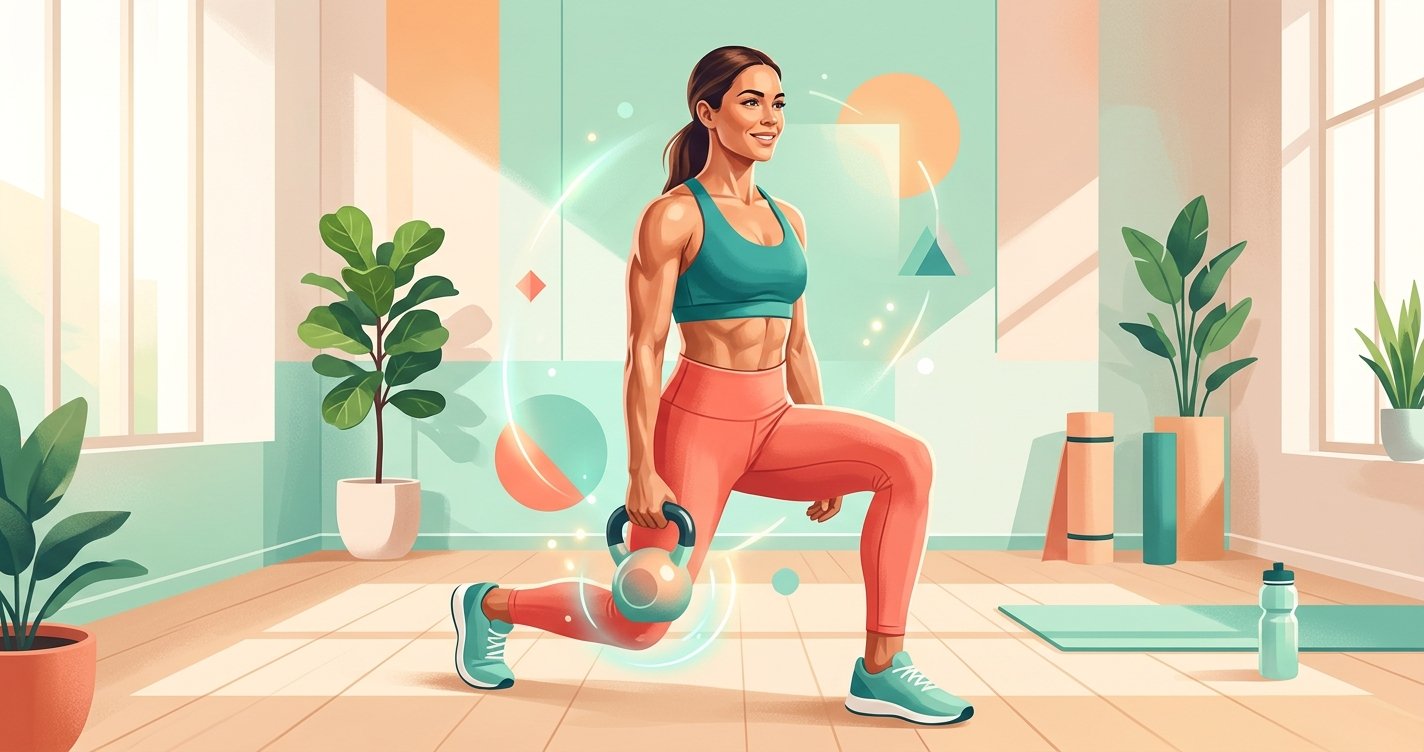
For years, the go-to advice for fat loss has been “eat less, move more” – often interpreted as endless hours on the treadmill and restrictive diets. While cardiovascular exercise certainly has its place in a healthy lifestyle, if sustainable, transformative fat loss is your goal, it’s time to introduce yourself to your new best friend: strength training. Forget the myth that lifting weights is just for bodybuilders or that it will make you “bulky.” The truth, backed by science, is that strength training is one of the most powerful and efficient tools you have for reshaping your body, boosting your metabolism, and achieving lasting fat loss. It’s not just about losing weight; it’s about building a stronger, healthier, and more confident you. Ready to discover how lifting weights can unlock a leaner, more vibrant physique? Let’s dive in.
Beyond the Scale: Why Muscle Matters for Fat Loss
When you focus solely on the number on the scale, you’re missing a crucial piece of the fat loss puzzle: body composition. Two people can weigh the exact same, but one might have a significantly higher percentage of muscle mass and look far leaner and more toned than the other. This is where strength training shines. Building muscle isn’t just about aesthetics; it’s a metabolic superpower. Muscle tissue is far more metabolically active than fat tissue. This means that even at rest, your muscles burn more calories to maintain themselves than fat does. By increasing your muscle mass, you effectively turn your body into a more efficient, calorie-burning machine 24/7, even when you’re just sitting on the couch or sleeping! this excellent wellness product
Think of it like this: the more muscle you have, the higher your Basal Metabolic Rate (BMR) – the number of calories your body burns just to perform basic functions. A higher BMR makes it easier to create the calorie deficit needed for fat loss without resorting to extreme deprivation, and it helps you maintain your results in the long run. It’s a sustainable strategy that pays dividends for years to come.
The Afterburn Effect: EPOC and Extended Fat Burning
One of the most exciting benefits of strength training for fat loss is something called EPOC, or Excess Post-exercise Oxygen Consumption. You might know it as the “afterburn effect.” Unlike steady-state cardio, which primarily burns calories only while you’re doing it, strength training creates a significant metabolic disturbance in your body. After a challenging weightlifting session, your body continues to burn calories at an elevated rate for hours, sometimes even up to 72 hours, as it works to repair muscle fibers, replenish energy stores, and return to its pre-exercise state. This means you’re still torching calories and fat long after you’ve left the gym.
This extended calorie burn adds up, contributing significantly to your overall weekly calorie deficit without requiring more time spent exercising. It’s like getting extra credit for your hard work, making your fat loss journey more efficient and effective.
Sculpting Your Physique: Reshaping Your Body with Weights
While cardio might help you lose weight, strength training is what truly sculpts your physique. If you’ve ever lost weight but felt like you still looked “soft” or “skinny fat,” it’s likely because you lost both fat and muscle. Strength training helps you preserve your precious muscle mass – and even build more – while you’re in a calorie deficit, ensuring that the weight you lose is primarily fat. This leads to a more toned, defined, and aesthetically pleasing body shape.
Imagine replacing jiggly fat with firm muscle. Your arms will look more defined, your glutes will be stronger and rounder, and your core will feel more stable. Strength training allows you to actively shape your body, creating curves where you want them and definition where you desire, rather than simply shrinking your current frame.
Practical Steps to Get Started: Your Strength Training Blueprint
Ready to embrace the weights? Here’s how to get started safely and effectively:
- Start Small, Think Big: If you’re new, begin with bodyweight exercises (squats, lunges, push-ups, planks) to master form. Once comfortable, introduce light dumbbells or resistance bands.
- Focus on Compound Movements: These exercises work multiple muscle groups at once, maximizing your calorie burn and efficiency. Examples include squats, deadlifts, bench presses, overhead presses, and rows.
- Prioritize Proper Form: This is non-negotiable. Bad form can lead to injury and reduce effectiveness. Watch videos, consider a few sessions with a certified trainer, or use mirrors to check your technique.
- Aim for 2-4 Sessions Per Week: Consistency is key. Allow 48-72 hours of rest between working the same muscle groups. A full-body routine 2-3 times a week is excellent for beginners.
- Progressive Overload is Your Friend: To continue building muscle and getting stronger, you need to gradually increase the challenge. This can mean lifting heavier weights, doing more repetitions, adding more sets, or reducing rest time between sets.
- Listen to Your Body: Some muscle soreness (DOMS) is normal, especially when starting. Sharp pain is not. Rest when needed and don’t push through pain.
Fueling Your Gains: Nutrition for Strength & Fat Loss
Strength training and nutrition go hand-in-hand. To get the most out of your workouts and support fat loss, consider these nutritional guidelines:
- Prioritize Protein: Protein is crucial for muscle repair and growth. Aim for 0.7-1 gram of protein per pound of body weight per day. Include lean protein sources like chicken, fish, eggs, Greek yogurt, lentils, and tofu in every meal.
- Don’t Fear Carbs (The Right Ones): Carbohydrates provide the energy for your workouts and help replenish muscle glycogen stores. Focus on complex carbs like whole grains, fruits, and vegetables, especially around your training sessions.
- Healthy Fats are Essential: Fats play a vital role in hormone production and overall health. Include sources like avocados, nuts, seeds, and olive oil in moderation.
- Hydrate, Hydrate, Hydrate: Water is essential for every bodily function, including metabolism and muscle performance. Aim for plenty of water throughout the day.
- Maintain a Moderate Calorie Deficit: To lose fat, you generally need to consume fewer calories than you burn. However, an overly aggressive deficit can hinder muscle growth and energy levels. Aim for a sustainable deficit that allows for consistent progress.
Overcoming Common Hurdles: Busting Myths & Building Confidence
It’s natural to have reservations, especially if strength training feels new or intimidating. Let’s tackle some common concerns:
- “I Don’t Want to Get Bulky!” (Especially for Women): This is perhaps the biggest myth. Building significant muscle mass is incredibly difficult and requires specific training, diet, and often, genetic predispositions or even performance-enhancing drugs. For most women, due to lower testosterone levels, you will build lean, toned muscle, not a bulky physique.
- Fear of the Gym/Not Knowing What to Do: Everyone starts somewhere! Most gyms are friendly places. Start with free weights in a less crowded area, or focus on machine weights which are often simpler to use initially. Remember, proper form is more important than heavy weight.
- Patience and Consistency: Results won’t happen overnight. Fat loss and muscle gain are gradual processes. Celebrate small victories, track your progress (weights lifted, reps completed, how your clothes fit), and stay consistent.
Embrace the Strength Within You
Strength training isn’t just about changing your body; it’s about changing your relationship with your body. It empowers you, boosts your confidence, improves bone density, enhances functional strength for everyday life, and significantly contributes to your long-term health and well-being. By integrating strength training into your routine, you’re not just pursuing fat loss; you’re investing in a stronger, healthier, and more capable version of yourself.
So, ditch the endless cardio sessions as your sole fat loss strategy. Pick up those weights, challenge your body, and watch as you transform not just your physique, but your entire outlook. The journey to a leaner, more vibrant you begins with embracing your strength.