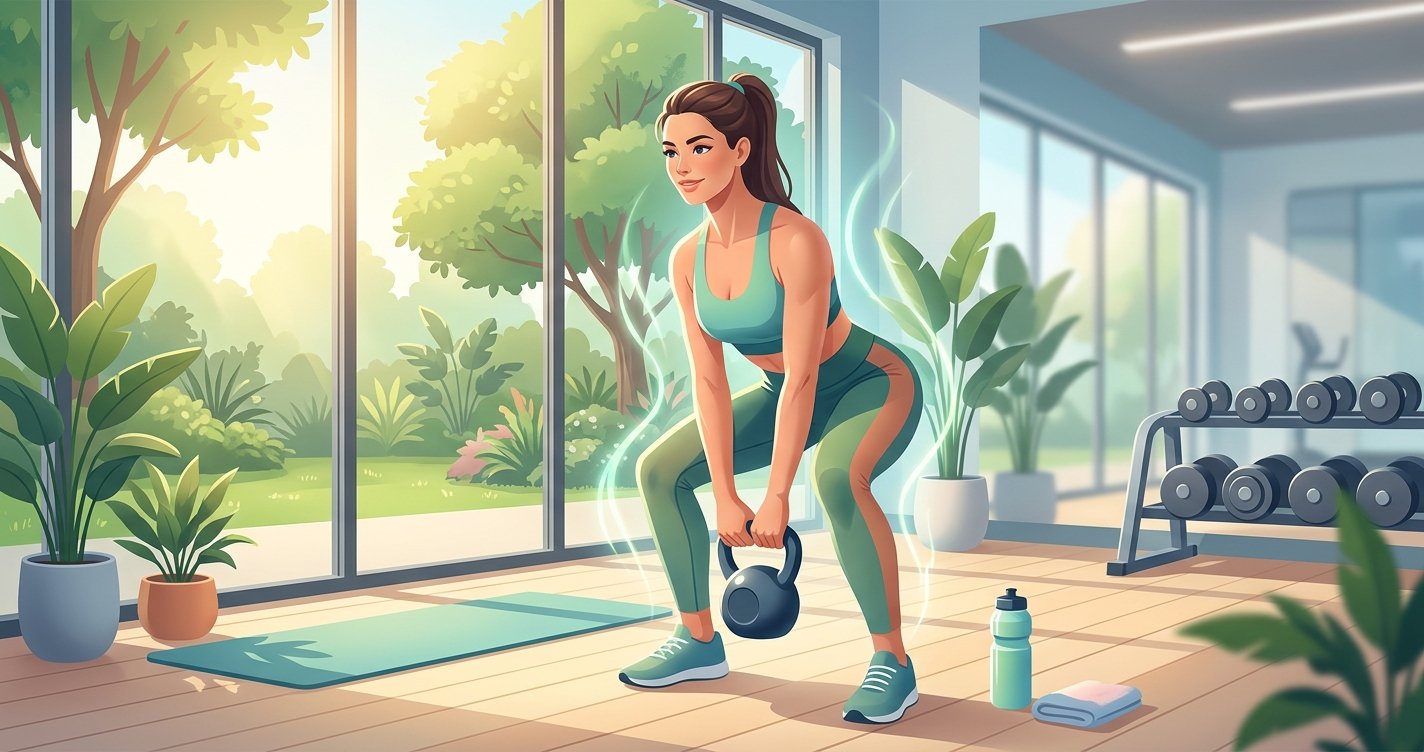
When you picture someone trying to lose weight, what comes to mind? Often, it’s endless hours on a treadmill or elliptical, sweating it out in a cardio session. While cardiovascular exercise certainly has its place in a healthy lifestyle, it’s time to let you in on a powerful, often overlooked secret weapon for effective and sustainable fat loss: strength training.
For too long, strength training has been unfairly pigeonholed as an activity solely for bodybuilders or those looking to 'bulk up.' This couldn't be further from the truth! Whether you’re male or female, young or old, incorporating strength training into your routine can transform your body composition, boost your metabolism, and deliver a host of health benefits that cardio alone simply can’t match. It’s not just about losing weight; it’s about losing fat, building a stronger, leaner, more resilient you. this excellent wellness product
Ready to discover why lifting weights might be the most impactful change you make on your fat loss journey? Let’s dive into the evidence-based magic of strength training.
The Metabolism Magic: How Strength Training Turns You into a Fat-Burning Machine
One of the most compelling reasons to embrace strength training for fat loss lies in its profound impact on your metabolism. Here’s how it works:
- Increased Resting Metabolic Rate (RMR): Your RMR is the number of calories your body burns just to perform basic functions like breathing, circulating blood, and maintaining body temperature, even when you're at rest. Muscle tissue is far more metabolically active than fat tissue. This means that the more muscle mass you have, the more calories your body burns 24/7, even while you’re sleeping or watching TV. Think of it as upgrading your body’s internal furnace to burn hotter, all the time!
- The Afterburn Effect (EPOC): After an intense strength training session, your body continues to burn extra calories for hours, sometimes even a full day, as it recovers and repairs muscle fibers. This phenomenon is known as Excess Post-exercise Oxygen Consumption (EPOC). While cardio also produces an afterburn, the effect is generally more pronounced and longer-lasting with strength training due to the greater physiological stress on your muscles.
- Improved Insulin Sensitivity: Strength training helps your body become more efficient at utilizing glucose (sugar) for energy, improving insulin sensitivity. This is crucial for fat loss because better insulin sensitivity means your body is less likely to store excess glucose as fat, and more likely to use it for fuel.
In essence, building lean muscle mass through strength training fundamentally changes your body’s operating system, making it a more efficient fat-burning machine both during and after your workouts.
Sculpt Your Shape: Beyond Just 'Losing Weight'
Focusing solely on the number on the scale can be misleading and often discouraging. Strength training encourages a more holistic and satisfying transformation: body recomposition.
- Lose Fat, Not Just Weight: When you diet without strength training, a significant portion of the weight you lose can be muscle mass. This is counterproductive for fat loss goals, as it slows down your metabolism. Strength training helps preserve and even build muscle while you’re in a calorie deficit, ensuring that the weight you lose is predominantly fat.
- A Toned and Sculpted Physique: Ever wondered how people achieve that 'toned' look? It's not just about being thin; it's about having well-developed muscles underneath the fat. Strength training allows you to actively shape and sculpt your body, creating definition in your arms, shoulders, back, glutes, and legs. You'll not only look leaner but also feel firmer and more confident in your clothes.
- Redefine Your Relationship with the Scale: With strength training, you might find the scale moving slower than expected, or even staying the same, even though your body is visibly changing. This is because muscle is denser than fat. Learn to celebrate non-scale victories like inches lost, clothes fitting better, increased strength, and improved energy levels.
More Than Muscle: The Health Benefits Beyond Fat Loss
While fat loss and body sculpting are fantastic motivators, the benefits of strength training extend far beyond aesthetics. It’s a powerful investment in your overall health and longevity.
- Stronger Bones: As we age, bone density naturally declines, increasing the risk of osteoporosis. Strength training is a weight-bearing activity that puts positive stress on your bones, stimulating them to become denser and stronger. This is particularly crucial for women.
- Reduced Risk of Injury: By strengthening your muscles, tendons, and ligaments, you improve joint stability and overall body mechanics, significantly reducing your risk of everyday injuries and even chronic pain.
- Improved Functional Strength: Strength training makes daily tasks easier – carrying groceries, lifting children, climbing stairs, or gardening. It enhances your quality of life and helps you maintain independence as you age.
- Better Mood and Mental Health: Like other forms of exercise, strength training releases endorphins, natural mood elevators. It can reduce symptoms of anxiety and depression, improve sleep quality, and boost self-esteem.
- Enhanced Cardiovascular Health: While not traditional cardio, lifting weights still elevates your heart rate and can improve heart health, blood pressure, and cholesterol levels.
Getting Started: Your Beginner-Friendly Strength Training Plan
Ready to harness the power of strength training? Here’s a simple, beginner-friendly approach to get you started:
Frequency and Consistency
Aim for 2-3 full-body strength training sessions per week on non-consecutive days (e.g., Monday, Wednesday, Friday). Consistency is key! Even 20-30 minutes per session is a great start.
Focus on Compound Movements
Compound exercises work multiple muscle groups and joints simultaneously, making them incredibly efficient for building strength and burning calories. Examples include:
- Squats: Bodyweight, goblet squats, or dumbbell squats.
- Deadlifts (or Romanian Deadlifts): With dumbbells or a barbell.
- Push-ups: On your knees, incline, or full push-ups.
- Rows: Dumbbell rows, resistance band rows, or machine rows.
- Overhead Press: With dumbbells or a resistance band.
- Lunges: Forward, reverse, or walking lunges.
Embrace Progressive Overload
This is the fundamental principle of getting stronger. To continue seeing results, you must gradually challenge your muscles over time. This can mean:
- Increasing the weight you lift.
- Doing more repetitions (reps) with the same weight.
- Adding more sets.
- Decreasing rest time between sets.
- Improving your form and control.
Start with a weight that allows you to perform 8-12 repetitions with good form, feeling challenged by the last few reps.
Prioritize Form Over Weight
Always prioritize proper technique over lifting heavy. Watch videos, use mirrors, or consider a certified personal trainer for initial guidance to prevent injury and maximize effectiveness.
Fueling Your Gains: Nutrition for Strength Training and Fat Loss
Your diet plays a crucial role in complementing your strength training efforts for fat loss. You can’t out-train a poor diet!
- Protein is Paramount: Aim for adequate protein intake (around 0.7-1 gram per pound of body weight). Protein helps repair and build muscle, and it's highly satiating, helping you feel fuller for longer. Include lean meats, poultry, fish, eggs, dairy, legumes, and protein supplements.
- Maintain a Moderate Calorie Deficit: To lose fat, you still need to consume slightly fewer calories than you burn. However, avoid extreme deficits, as they can hinder muscle growth and energy levels.
- Don't Fear Carbs: Carbohydrates are your body's primary energy source, especially important for fueling intense workouts. Focus on complex carbohydrates like whole grains, fruits, and vegetables.
- Healthy Fats: Essential for hormone production and overall health. Include sources like avocados, nuts, seeds, and olive oil.
- Hydration: Drink plenty of water throughout the day, especially around your workouts, to support performance and recovery.
Common Pitfalls and How to Avoid Them
Even with the best intentions, some common mistakes can derail your progress. Be aware of these and how to steer clear:
- Fear of 'Bulking Up': This is a common concern, especially for women. Building significant muscle mass is extremely difficult and requires specific training, diet, and often hormonal factors that are not typical for most recreational lifters. You will get stronger and more toned, not bulky.
- Inconsistency: Sporadic workouts won't yield results. Commit to your 2-3 sessions per week.
- Ignoring Progressive Overload: If you always lift the same weight for the same reps, your muscles won't have a reason to grow stronger. Challenge yourself!
- Not Eating Enough Protein: Without sufficient protein, your body can’t effectively repair and build muscle, limiting your results.
- Comparing Yourself to Others: Everyone's journey is unique. Focus on your own progress and celebrate your personal victories.
Embrace the Strength Within You
Strength training is far more than just a workout; it's an empowering journey that transforms your body, mind, and overall health. It's your secret weapon for sustainable fat loss, helping you build a stronger metabolism, sculpt the physique you desire, and enjoy a myriad of health benefits that extend far beyond the gym.
Don't let misconceptions hold you back any longer. Start small, focus on proper form, be consistent, and fuel your body wisely. You’ll not only witness incredible changes in your body composition but also gain a newfound sense of confidence and capability. Step off the treadmill and embrace the weights – your stronger, leaner, healthier self is waiting!