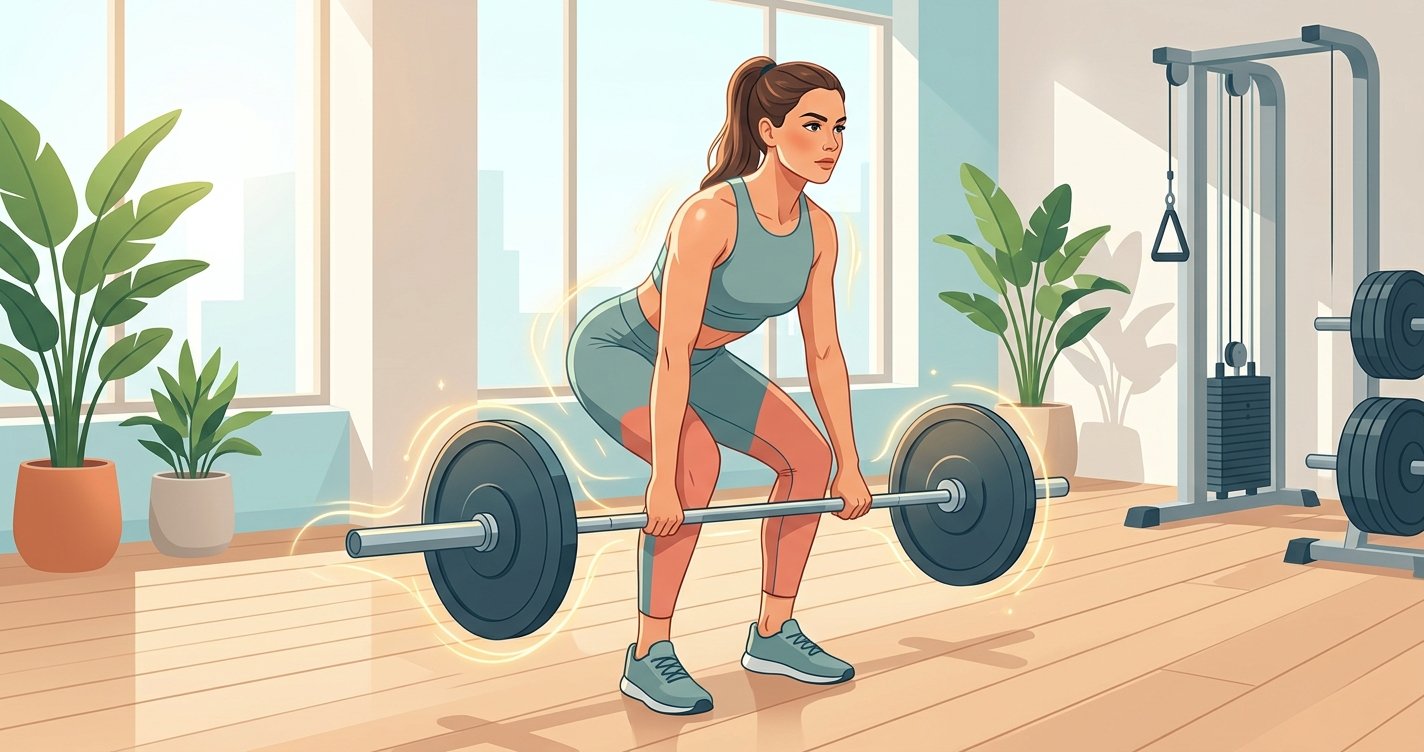
Are you tired of the endless cardio sessions and restrictive diets that promise quick fat loss but deliver fleeting results? It's a common story, and if you've been on this journey, you know how frustrating it can be. What if we told you there's a powerful, often overlooked tool that can revolutionize your fat loss efforts, transform your body, and boost your metabolism like never before? Enter strength training!
Forget the myth that lifting weights will make you "bulky" or that it's only for bodybuilders. For sustainable, effective fat loss, building muscle is not just beneficial – it's essential. In this comprehensive guide, we'll dive deep into the science-backed reasons why strength training is your ultimate ally in achieving a leaner, stronger, and healthier you. Get ready to ditch the treadmill monotony and embrace the power of iron! this excellent wellness product
Beyond the Scale: How Strength Training Transforms Your Body (and Metabolism)
When most people think about fat loss, their minds immediately jump to the number on the scale. While the scale can be one metric, it doesn't tell the whole story, especially when you introduce strength training into your routine. Here's why:
- The Metabolic Powerhouse: Muscle Mass: Muscle tissue is far more metabolically active than fat tissue. This means that even at rest, your muscles burn more calories to maintain themselves. The more muscle you have, the higher your Resting Metabolic Rate (RMR) will be. Imagine burning more calories just by existing – that's the power of muscle!
- The "Afterburn" Effect (EPOC): Unlike steady-state cardio, a challenging strength training session causes a significant post-exercise oxygen consumption (EPOC), often referred to as the "afterburn" effect. Your body continues to burn extra calories for hours, sometimes even days, after you've finished your workout as it recovers and repairs muscle tissue.
- Body Recomposition: This is where strength training truly shines. You might not see a dramatic drop on the scale initially, but you'll notice changes in how your clothes fit and how your body looks. Strength training helps you build muscle while simultaneously losing fat, leading to a leaner, more toned physique. This process, known as body recomposition, is the holy grail of sustainable fat loss.
The Science-Backed Benefits of Lifting for Sustainable Fat Loss
The advantages of incorporating strength training into your fat loss strategy extend far beyond just burning calories during your workout. Let's explore some of the key scientific benefits:
- Enhanced Hormonal Environment: Regular strength training can positively influence hormones crucial for fat loss and muscle growth. It can improve insulin sensitivity, meaning your body becomes more efficient at using glucose for energy rather than storing it as fat. It also stimulates the release of growth hormone and testosterone (in both men and women), which play vital roles in muscle repair and fat metabolism.
- Increased Bone Density and Joint Health: While not directly a fat loss mechanism, stronger bones and healthier joints mean you can continue to train effectively and safely as you age. This longevity in your fitness journey is crucial for maintaining long-term fat loss.
- Improved Mental Well-being: The physical benefits are just one part of the equation. Strength training has been shown to reduce stress, improve mood, and boost self-confidence. The sense of accomplishment from lifting heavier weights or mastering a new exercise is incredibly empowering and helps you stay consistent on your journey.
- Better Sleep Quality: Adequate sleep is often an overlooked component of fat loss. Strength training can contribute to deeper, more restorative sleep, which in turn helps regulate hunger hormones (ghrelin and leptin) and reduces cravings.
Getting Started: Your Beginner's Guide to Strength Training for Fat Loss
Feeling intimidated? Don't be! Everyone starts somewhere. Here’s how you can safely and effectively begin your strength training journey:
1. Choose Your Tools:
- Bodyweight: Perfect for beginners. Exercises like squats, push-ups (modified), lunges, and planks require no equipment and can be done anywhere.
- Resistance Bands: Affordable and versatile, offering progressive resistance.
- Dumbbells/Kettlebells: Excellent for compound movements and allow for easy progression. Start with lighter weights to master form.
- Machines: Great for isolating specific muscle groups and providing stability, ideal for learning movement patterns.
2. Focus on Compound Movements:
These exercises work multiple muscle groups and joints simultaneously, making them incredibly efficient for fat loss and muscle building. Think squats, deadlifts (or RDLs), overhead presses, rows, and bench presses.
3. Frequency and Structure:
Aim for 2-4 strength training sessions per week, allowing for rest days in between to facilitate muscle recovery and growth. A full-body routine performed 2-3 times a week is an excellent starting point for beginners.
4. Master Proper Form:
This is paramount to prevent injury and ensure you're effectively targeting the intended muscles. Watch instructional videos, consider a session with a certified personal trainer, or start with lighter weights until your form is perfect.
5. Embrace Progressive Overload:
To continually build muscle and get stronger, you need to challenge your muscles over time. This means gradually increasing the weight you lift, the number of repetitions, the number of sets, or decreasing rest times. The goal is to make your muscles work harder than they did last time.
Fueling Your Progress: Nutrition's Role Alongside Strength Training
You can't out-train a poor diet. Nutrition is a critical partner to your strength training efforts, especially when your goal is fat loss. Think of food as fuel for your workouts and building blocks for your muscles.
- A Gentle Calorie Deficit: To lose fat, you generally need to consume slightly fewer calories than your body burns. However, with strength training, this deficit doesn't need to be drastic. A moderate deficit allows your body to tap into fat stores for energy while preserving muscle.
- Prioritize Protein: Protein is king for muscle repair and growth. Aim for at least 0.7-1 gram of protein per pound of body weight per day. Good sources include lean meats, poultry, fish, eggs, dairy, legumes, and plant-based protein powders.
- Don't Fear Carbs: Carbohydrates are your body's primary energy source. They fuel your workouts and help replenish glycogen stores in your muscles. Choose complex carbs like whole grains, fruits, and vegetables for sustained energy.
- Healthy Fats are Essential: Fats play crucial roles in hormone production and overall health. Include sources like avocados, nuts, seeds, and olive oil in your diet.
- Hydration is Key: Water is vital for every bodily function, including metabolism, nutrient transport, and joint lubrication. Drink plenty of water throughout the day, especially around your workouts.
Avoiding Common Pitfalls and Staying Motivated on Your Journey
The path to sustainable fat loss with strength training isn't always linear, but being aware of common challenges can help you navigate them successfully.
1. Don't Rely Solely on the Scale:
As mentioned, body recomposition means the scale might not move much, or it might even go up as you gain muscle! Instead, track progress through:
- How your clothes fit
- Body measurements (waist, hips, arms)
- Progress photos
- How much weight you're lifting (strength gains)
- Energy levels and mood
2. Consistency Over Perfection:
Life happens. Missing a workout or having an off-plan meal won't derail your progress if you're consistent most of the time. Get back on track at your next opportunity without guilt.
3. Listen to Your Body:
Rest and recovery are just as important as the workouts themselves. Don't push through sharp pain, and ensure you're getting adequate sleep. Overtraining can lead to injury, burnout, and hinder progress.
4. Seek Guidance:
If you're unsure about form, programming, or nutrition, consider investing in a few sessions with a certified personal trainer or a registered dietitian. Professional guidance can accelerate your progress and prevent costly mistakes.
5. Celebrate Small Wins:
Did you lift heavier this week? Did you stick to your nutrition plan for an entire day? Acknowledge and celebrate these small victories. They build momentum and reinforce positive habits.
Embracing strength training for fat loss is more than just a workout routine; it's a lifestyle change that empowers you to build a stronger, healthier, and more confident version of yourself. It's about shifting your focus from deprivation and endless cardio to building strength, fueling your body, and celebrating progress beyond the scale.
You have the power to transform your body and your health. Start small, stay consistent, and trust the process. Your stronger, leaner self is waiting!