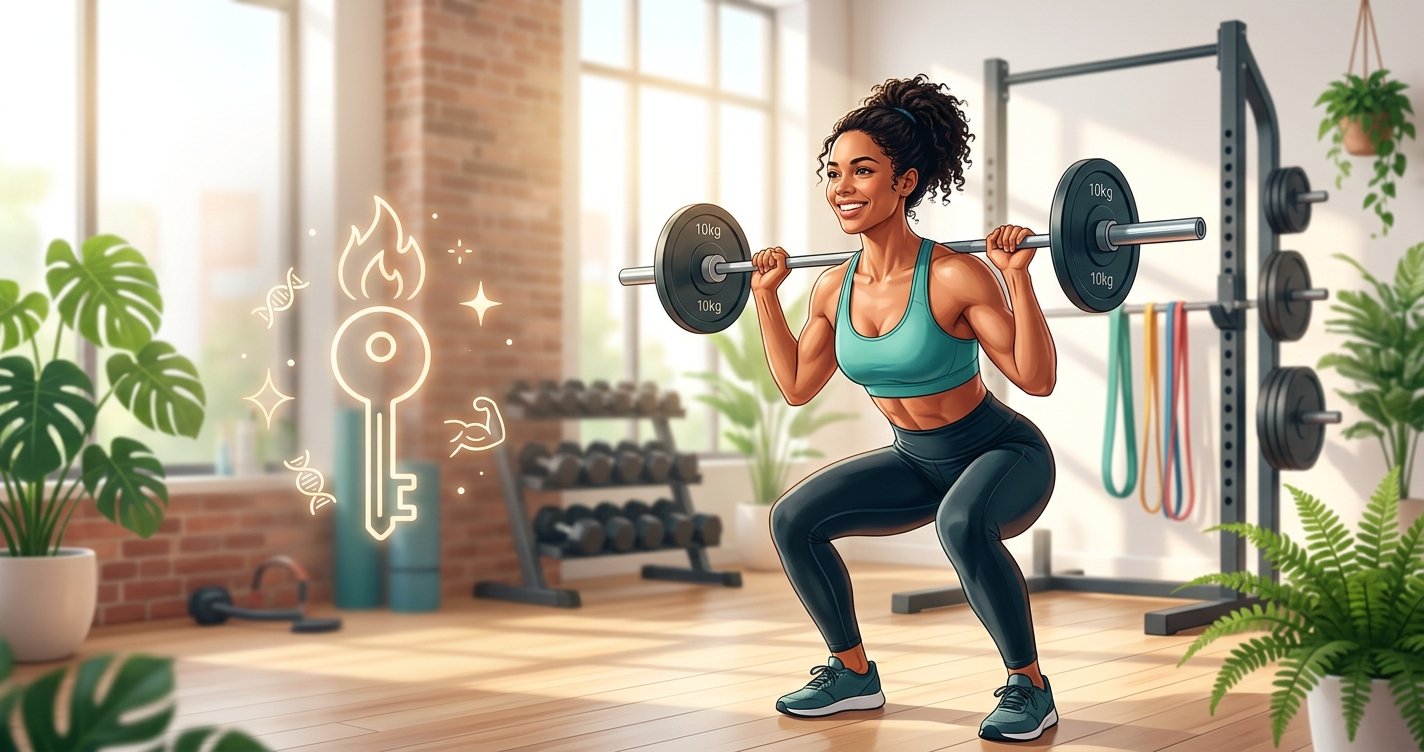
Tired of Endless Cardio? Discover the Real Fat Loss Powerhouse!
For years, the conventional wisdom for fat loss echoed one mantra: hit the treadmill, log those miles, and sweat it out with endless cardio. While cardiovascular exercise certainly has its place in a healthy lifestyle, if you're serious about transforming your body, boosting your metabolism, and achieving sustainable fat loss, there's a powerful tool you might be overlooking: strength training.
Imagine a workout that not only helps you burn calories during your session but continues to torch them long after you've left the gym. Picture a body that's not just smaller, but stronger, more toned, and more resilient. That's the magic of strength training, and it's far more effective for long-term fat loss than many realize. In this comprehensive guide, we'll dive deep into why lifting weights is your ultimate ally in the battle against body fat, debunk common myths, and give you a clear blueprint to start your journey. this excellent wellness product
Why Strength Training is Your Ultimate Fat Loss Powerhouse
Let's get straight to the science. Strength training isn't just about building big muscles; it's a metabolic game-changer that attacks fat from multiple angles.
Boost Your Metabolism 24/7: The Muscle Advantage
Here's a simple, yet profound truth: muscle is metabolically active tissue. This means that even at rest, your muscles burn more calories than fat tissue. The more muscle mass you have, the higher your resting metabolic rate (RMR) will be. Think of it like this: your body is a car, and muscle is a bigger engine. A bigger engine requires more fuel, even when idling. By building muscle through strength training, you're essentially turning your body into a more efficient, 24/7 fat-burning machine.
This is a crucial distinction from cardio alone. While cardio burns calories during the activity, it doesn't significantly contribute to building the muscle mass that keeps your metabolism elevated around the clock. Strength training directly addresses this by stimulating muscle protein synthesis, leading to greater muscle mass over time and a consistently higher calorie expenditure.
The "Afterburn" Effect: EPOC and Extended Calorie Burn
Ever felt particularly tired or hot hours after a tough weightlifting session? That's your body hard at work recovering, and it's burning calories while doing so. This phenomenon is known as Excess Post-exercise Oxygen Consumption (EPOC), often referred to as the "afterburn" effect.
Strength training, especially when performed with intensity and compound movements, creates a significant physiological demand on your body. To repair muscle fibers, replenish energy stores, and return to a pre-exercise state, your body requires extra oxygen and, consequently, extra calories. Research consistently shows that strength training generates a greater and longer-lasting EPOC compared to steady-state cardio. This means you continue to burn a substantial number of calories for up to 24-48 hours after your workout, giving you an added boost to your fat loss efforts.
Sculpt Your Body, Not Just Shrink It: Body Composition Matters
When most people say they want to "lose weight," what they often really mean is they want to "lose fat" and achieve a more toned, defined physique. This is where strength training truly shines. While cardio can help you shed pounds, a significant portion of that weight loss can sometimes come from muscle, especially if you're in a severe calorie deficit. Losing muscle can lead to a "skinny fat" appearance – a smaller version of yourself, but still lacking definition.
Strength training, conversely, helps you preserve existing muscle mass and even build new muscle while you're losing fat. This process is called improving your body composition. By increasing your muscle-to-fat ratio, you not only look firmer and more athletic, but you also amplify all the metabolic benefits we've discussed. You're not just shrinking; you're transforming your body into a stronger, more capable version of itself.
Debunking the Cardio-Only Myth: A Balanced Approach to Fat Loss
Let's be clear: cardio isn't bad! It's fantastic for cardiovascular health, endurance, and certainly burns calories during the activity. However, relying solely on cardio for fat loss can be a slow, frustrating, and ultimately less effective path than incorporating strength training.
The Limitations of Cardio for Fat Loss
While a long run or cycling session burns calories, your body quickly adapts. To continue burning the same number of calories, you'd either need to go longer, faster, or increase intensity, which isn't always sustainable or enjoyable. Moreover, without the muscle-building stimulus of strength training, extended cardio in a calorie deficit can sometimes lead to muscle loss, which, as we've learned, works against your metabolic goals.
The Synergistic Power of Both
The optimal approach for fat loss combines the best of both worlds. Incorporating both strength training and cardiovascular exercise creates a powerful synergy. You get the metabolic boost and body sculpting from lifting weights, complemented by the cardiovascular health benefits and additional calorie expenditure from cardio. The key is to prioritize strength training as your primary fat loss driver, supplementing it with smart cardio sessions (whether it's high-intensity interval training or moderate-intensity steady-state cardio) that fit your schedule and preferences.
Your Strength Training Blueprint: Getting Started for Fat Loss
Ready to pick up some weights? Here's how to build an effective strength training routine for fat loss.
Consistency is Key
Aim for 2-4 full-body or split resistance training sessions per week. Consistency is far more important than intensity in the beginning. Find a schedule you can stick to week after week.
Focus on Compound Movements
Compound exercises are your best friends for fat loss. These movements engage multiple muscle groups and joints simultaneously, burning more calories and stimulating more muscle growth than isolated exercises. Prioritize exercises like:
- Squats: Barbell squats, goblet squats, front squats
- Deadlifts: Conventional, sumo, Romanian deadlifts
- Presses: Bench press (dumbbell or barbell), overhead press
- Rows: Barbell rows, dumbbell rows, cable rows
- Lunges: Forward, reverse, walking lunges
- Push-ups and Pull-ups: Excellent bodyweight options
Progressive Overload: The Muscle-Building Secret
To continue building muscle and getting stronger, you must constantly challenge your body. This is the principle of progressive overload. It means gradually increasing the demands placed on your muscles over time. This can involve:
- Increasing the weight lifted
- Performing more repetitions with the same weight
- Doing more sets
- Decreasing rest time between sets
- Improving your form and control
Without progressive overload, your muscles won't have a reason to adapt and grow stronger.
Master Your Form First
Before you load up the bar, ensure your form is impeccable. Proper technique not only prevents injuries but also ensures you're effectively targeting the intended muscles. Don't hesitate to start with lighter weights or even just your body weight to perfect your movements. Watching instructional videos, hiring a certified personal trainer, or using gym mirrors can be incredibly helpful.
Reps, Sets, and Rest
For fat loss and muscle building, a common and effective rep range is 3-4 sets of 6-12 repetitions per exercise. Aim for a weight that allows you to complete these reps with good form, feeling challenged by the last few reps. Rest for 60-90 seconds between sets to allow for partial recovery while keeping your heart rate elevated.
Fueling Your Fat Loss Journey: Nutrition & Hydration
Your efforts in the gym will only go so far without proper nutrition. Fueling your body correctly is paramount for both muscle growth and fat loss.
Protein is Paramount
When you're strength training and aiming for fat loss, protein intake becomes incredibly important. Protein supports muscle repair and growth, which is essential for preserving and building that metabolically active tissue. It also increases satiety, helping you feel fuller for longer and reducing overall calorie intake. Aim for 0.7-1 gram of protein per pound of body weight daily from sources like lean meats, poultry, fish, eggs, dairy, legumes, and protein supplements.
Smart Calorie Deficit
To lose fat, you still need to consume fewer calories than you burn – a calorie deficit. However, with strength training, you can afford a slightly less aggressive deficit than if you were just doing cardio, as your elevated metabolism will do some of the work. Aim for a moderate deficit of 300-500 calories below your maintenance level. Avoid severe restriction, which can lead to muscle loss and make your workouts feel impossible.
Hydration: Don't Forget Water!
Often overlooked, adequate hydration is crucial. Water plays a vital role in metabolic processes, nutrient transport, and even helps with satiety. Make sure you're drinking plenty of water throughout the day, especially around your workouts.
Beyond the Gym: Lifestyle Factors for Sustainable Success
True fat loss and body transformation extend beyond just your workouts and diet. Your lifestyle plays a massive role in your progress.
Prioritize Quality Sleep
Sleep is when your body repairs and rebuilds. Insufficient sleep can disrupt hormones like ghrelin (which stimulates appetite) and leptin (which signals fullness), leading to increased cravings and poor food choices. It also elevates cortisol (the stress hormone), which can hinder fat loss, particularly around the midsection. Aim for 7-9 hours of quality sleep per night.
Manage Stress Levels
Chronic stress, like lack of sleep, keeps cortisol levels elevated. High cortisol can promote fat storage, especially visceral fat (the dangerous kind around your organs). Incorporate stress-reducing activities into your routine, such as meditation, yoga, spending time in nature, or engaging in hobbies you enjoy.
Patience and Consistency
Fat loss is a journey, not a race. Building muscle and losing fat takes time, consistency, and patience. There will be good days and challenging days. Focus on celebrating small victories, staying consistent with your workouts and nutrition, and trusting the process. The results will come.
Your Stronger, Leaner Future Awaits!
It's time to shed the old notion that cardio is the only path to fat loss. Embrace the power of strength training and unlock a more efficient, sustainable, and empowering way to transform your body. By understanding the metabolic advantages of building muscle, you're not just working out; you're investing in a higher metabolism, a more sculpted physique, and a stronger, healthier you.
So, step into the weight room with confidence. Start with the basics, focus on progressive overload, fuel your body wisely, and prioritize your recovery. You'll not only see the fat melt away, but you'll feel more capable, energetic, and confident than ever before. Your secret weapon is ready – are you?