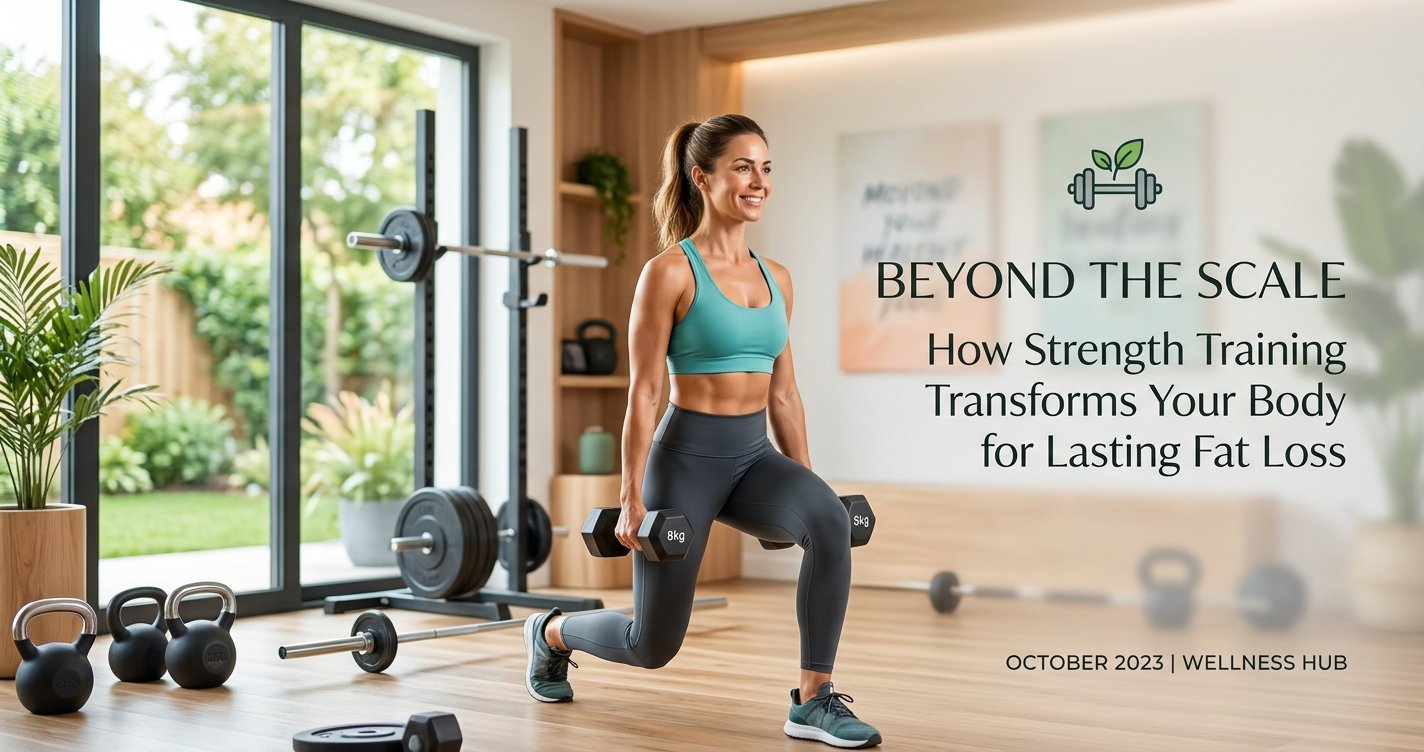
Are you tired of the endless cycle of restrictive diets and grueling cardio sessions that promise quick fat loss but deliver fleeting results? Many of us have been there, fixating on the number on the scale, only to feel frustrated when our efforts don't lead to the sustainable changes we crave. What if there was a more empowering, effective, and even enjoyable path to not just losing fat, but truly transforming your body composition and boosting your overall health?
Enter strength training – often misunderstood, sometimes intimidating, but undeniably one of the most powerful tools in your fat loss arsenal. This isn't just about 'getting bulky' or lifting heavy; it's about building a leaner, stronger, and more metabolically efficient body that burns fat more effectively, even at rest. In this evidence-based, encouraging guide, we’ll dive deep into why strength training is your secret weapon for sustainable fat loss, debunk common myths, and equip you with the knowledge to start your own transformative journey. this excellent wellness product
Why Strength Training is Your Secret Weapon for Fat Loss (Beyond Just Calories)
When most people think of fat loss, their minds immediately jump to cardio – running on a treadmill, cycling, or hitting the elliptical. While cardio certainly burns calories during your workout, strength training offers a unique set of benefits that directly impact your body's ability to shed fat long-term, far beyond the sweat session itself.
Unlike cardio, which primarily focuses on energy expenditure during the activity, strength training is about building and preserving muscle mass. And why is muscle so important for fat loss? Simply put: muscle is metabolically active tissue. This means that the more muscle you have, the more calories your body burns at rest, every single day. This elevates your Basal Metabolic Rate (BMR), making it easier to create the necessary calorie deficit for fat loss without overly restrictive eating.
Furthermore, strength training fundamentally changes your body composition. Instead of just losing 'weight' (which can often include muscle mass alongside fat, especially with excessive cardio and calorie restriction), you’re actively replacing fat with lean muscle. This leads to a more toned, sculpted physique – a transformation that often isn't fully reflected on the scale, but is undeniably visible in the mirror and in how your clothes fit. It's about body recomposition, not just weight loss.
Busting the Myth: "Strength Training Makes Women Bulky"
This is perhaps the biggest deterrent for many women considering strength training. The fear of 'getting bulky' is pervasive, often fueled by images of professional bodybuilders. Let's set the record straight: for the vast majority of women, getting 'bulky' from lifting weights is incredibly difficult and requires a specific, highly demanding regimen, often including extreme caloric surpluses and, in some cases, performance-enhancing substances.
The primary reason women don't easily 'bulk up' like men is due to hormonal differences. Women have significantly lower levels of testosterone, the primary hormone responsible for muscle hypertrophy (growth). Instead, consistent strength training for women typically leads to:
- Increased lean muscle mass, which creates a more toned and defined appearance.
- Improved strength and functional fitness.
- Enhanced metabolism, aiding in fat loss.
- Better bone density, reducing the risk of osteoporosis.
So, ditch the fear! Embracing weights will help you build a strong, lean, and confident physique, not a 'bulky' one.
The Afterburn Effect (EPOC): Burning Calories Long After Your Workout
Here's another powerful advantage of strength training: the 'afterburn' effect, scientifically known as Excess Post-exercise Oxygen Consumption (EPOC). While an intense cardio session burns a significant number of calories *during* the workout, the calorie burn largely stops once you step off the machine.
Strength training, especially with challenging weights and compound movements, creates a greater physiological demand on your body. After your session, your body continues to burn extra calories at an elevated rate for hours (sometimes up to 24-48 hours!) as it works to:
- Repair muscle tissue damaged during the workout.
- Restore oxygen levels.
- Replenish energy stores (ATP and glycogen).
- Bring body temperature back to normal.
This means that even when you’re resting, working, or sleeping, your body is still in a heightened metabolic state, actively contributing to your overall calorie expenditure and, by extension, your fat loss goals. It's like getting a bonus calorie burn for free!
Building Muscle, Burning More Fat: Understanding Your Metabolism
We touched upon this earlier, but it deserves its own spotlight. Your Basal Metabolic Rate (BMR) is the number of calories your body burns at rest to perform basic functions like breathing, circulation, and cell production. Muscle tissue is far more metabolically active than fat tissue. For every pound of muscle you gain, your body burns an additional 6-10 calories per day at rest. While this might not sound like much per pound, it adds up significantly over time.
Consider this: if you gain 5 pounds of muscle, you could be burning an extra 30-50 calories per day without doing anything extra. Over a year, that's an additional 10,950 to 18,250 calories burned – equivalent to losing 3-5 pounds of fat purely from an elevated metabolism! This makes maintaining a healthy weight much easier in the long run and helps prevent the dreaded 'rebound' weight gain often associated with diets that don't prioritize muscle preservation.
Designing Your Fat Loss Strength Training Program: Key Principles
Ready to start lifting? Here are the fundamental principles to consider when designing an effective strength training program for fat loss:
- Frequency: Aim for 2-4 strength training sessions per week. This allows for adequate muscle stimulation and recovery.
- Compound Movements: Prioritize exercises that work multiple muscle groups and joints simultaneously. Think squats, deadlifts, lunges, bench presses, overhead presses, and rows. These movements are incredibly efficient for building overall strength and burning more calories per exercise.
- Progressive Overload: This is the golden rule of strength training. To continue getting stronger and building muscle, you must gradually increase the demand on your muscles. This can mean lifting heavier weights, doing more repetitions, adding more sets, or decreasing rest times.
- Rep Ranges: For muscle growth (hypertrophy) and strength that aids fat loss, a common rep range is 6-12 repetitions per set. Focus on feeling the muscle work and maintaining good form.
- Full Body vs. Splits: For fat loss, especially for beginners, a full-body workout routine 2-3 times a week is often most effective. It allows you to hit all major muscle groups frequently, maximizing metabolic stimulus.
- Focus on Form: Always prioritize proper technique over lifting heavy weight. Poor form can lead to injury and negate the effectiveness of the exercise.
Nutrition for Strength Training and Fat Loss: Fueling Your Gains
Strength training alone won't magically melt fat; nutrition plays a critical role. However, the approach to nutrition when strength training for fat loss is different from restrictive dieting.
- Moderate Calorie Deficit: To lose fat, you still need to consume fewer calories than you burn. Aim for a moderate deficit (e.g., 300-500 calories below maintenance) to ensure you have enough energy for your workouts and to preserve muscle mass.
- Protein is King: Adequate protein intake is crucial for muscle repair, growth, and satiety. Aim for 1.6-2.2 grams of protein per kilogram of body weight per day. Good sources include lean meats, poultry, fish, eggs, dairy, legumes, and protein supplements.
- Don't Fear Carbs: Carbohydrates are your body's primary fuel source for intense workouts. Don't eliminate them! Focus on complex carbohydrates like whole grains, fruits, and vegetables to fuel your training and replenish glycogen stores.
- Healthy Fats: Essential for hormone production and overall health. Include sources like avocados, nuts, seeds, and olive oil in moderation.
- Hydration: Drink plenty of water throughout the day. Dehydration can impair performance and metabolic function.
The goal is to fuel your body for performance and recovery while maintaining a slight calorie deficit, not to starve yourself.
Consistency and Patience: The Real Keys to Sustainable Results
Just like any worthwhile endeavor, sustainable fat loss through strength training requires consistency and patience. This isn't a 30-day challenge; it's a lifestyle change. You won't see dramatic changes overnight, and that's perfectly normal.
- Celebrate Non-Scale Victories: Focus on how your clothes fit, your increasing strength, improved energy levels, better sleep, and enhanced mood. These 'non-scale victories' are often more motivating and indicative of real progress than the number on the scale.
- Listen to Your Body: Rest and recovery are just as important as the workouts themselves. Ensure you're getting enough sleep and taking rest days when needed to allow your muscles to repair and grow.
- Embrace the Process: There will be good days and challenging days. The key is to keep showing up, even when motivation wanes. Consistency compounds over time.
Getting Started: Practical Tips for Beginners
Feeling inspired but not sure where to begin? Here are some practical tips to kickstart your strength training journey:
- Start Small: Don't try to do too much too soon. Begin with bodyweight exercises or very light weights to learn proper form.
- Consider a Coach: If possible, invest in a few sessions with a certified personal trainer. They can teach you proper form, create a personalized plan, and ensure you're performing exercises safely and effectively.
- Watch Tutorials: Utilize online resources for video demonstrations of exercises. Focus on understanding the movement patterns.
- Don't Be Afraid of the Weight Room: It can feel intimidating at first, but remember that everyone started somewhere. Focus on your workout and your progress.
- Track Your Progress: Keep a log of your workouts – the exercises you do, the weight you lift, and the number of reps and sets. This helps you implement progressive overload and see how far you've come.
Strength training is a journey of empowerment. It's about building physical strength that translates into mental resilience and confidence. It's about taking control of your body composition and creating a sustainable path to a healthier, leaner you.