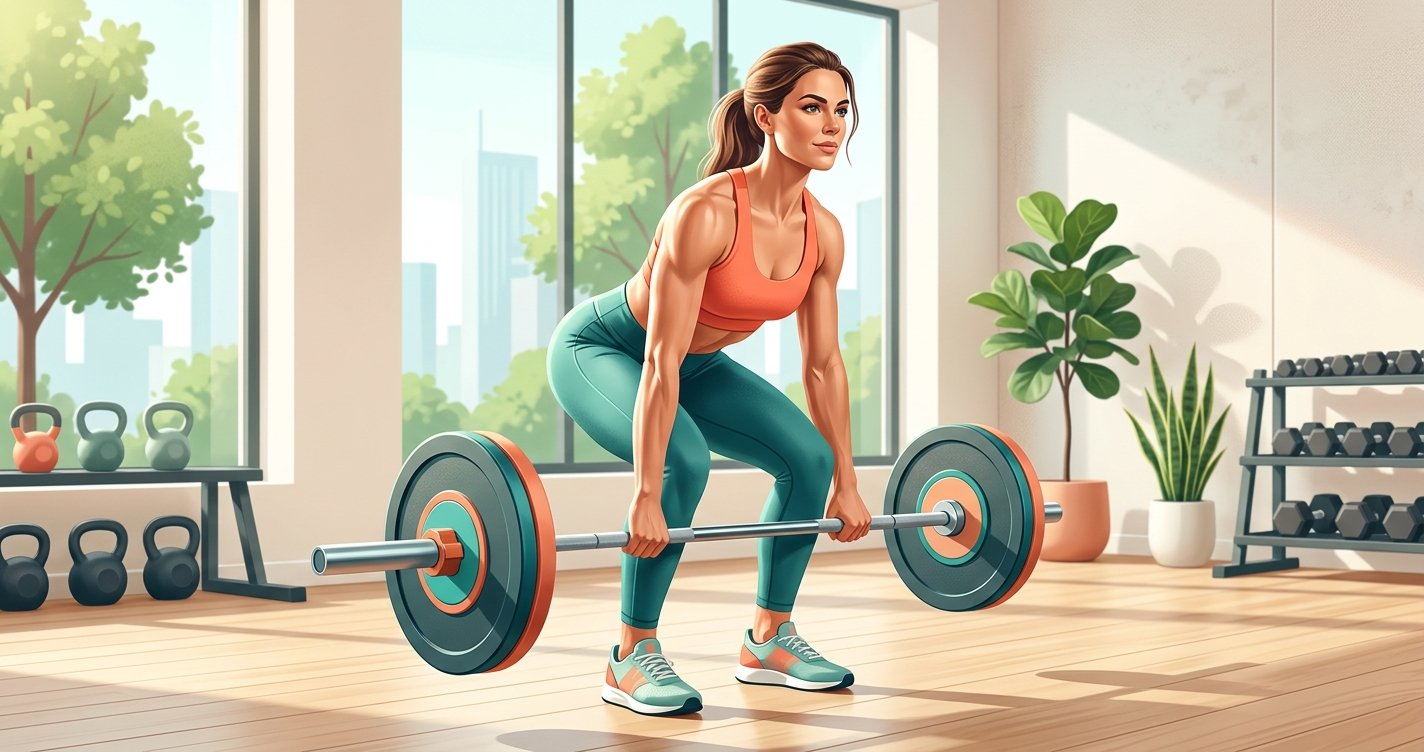
Unlock Your Fat Loss Potential: Why Strength Training is Your Ultimate Game Changer
Are you on a quest to lose fat, feel stronger, and transform your body not just on the scale, but in the mirror? If your current fat loss strategy primarily revolves around endless cardio sessions, it's time to discover a powerful, often overlooked secret weapon: strength training. While cardio certainly has its place, lifting weights offers a unique and highly effective pathway to sustainable fat loss, body recomposition, and a healthier, more confident you. Forget the myths about 'bulking up' or needing to spend hours at the gym. This isn't just about building big muscles; it's about optimizing your body's fat-burning engine, sculpting your physique, and boosting your overall well-being. Ready to learn why incorporating resistance training into your routine could be the most impactful decision you make on your fat loss journey? Let's dive in!
Beyond the Cardio Craze: Why Strength Training Reigns Supreme for Fat Loss
For decades, the conventional wisdom for fat loss has been 'eat less, move more,' with 'move more' often translating to 'do more cardio.' While cardiovascular exercise burns calories during the activity itself, its impact on your metabolism after you stop can be limited. Strength training, on the other hand, offers a multi-faceted approach to fat loss that goes far beyond the calories burned during your workout. It fundamentally changes your body's composition and metabolic rate, making you a more efficient fat-burning machine 24/7. Imagine your body working harder for you, even when you're resting – that's the power of building muscle! this excellent wellness product
The Metabolic Magic: How Muscle Burns More Calories
This is where strength training truly shines. Muscle tissue is metabolically active, meaning it requires more energy (calories) to maintain than fat tissue. The more muscle you have, the higher your Basal Metabolic Rate (BMR) will be. Your BMR is the number of calories your body burns simply to perform essential functions like breathing, circulating blood, and maintaining body temperature, even when you're at rest. By increasing your muscle mass through strength training, you're effectively boosting your BMR, turning your body into a more efficient calorie-burning furnace around the clock.
But the metabolic benefits don't stop there. Strength training also triggers what's known as the 'afterburn effect' or Excess Post-exercise Oxygen Consumption (EPOC). After an intense weightlifting session, your body continues to burn elevated levels of calories for hours, sometimes even up to 48 hours, as it works to repair muscle tissue and restore physiological balance. This means you're burning extra calories long after you've left the gym, providing a significant advantage over steady-state cardio alone.
Sculpt Your Body, Not Just Shrink It: Body Recomposition Explained
One of the most exciting aspects of strength training for fat loss is its ability to facilitate 'body recomposition.' This term refers to the process of simultaneously losing fat and gaining muscle. While the number on the scale might not drop dramatically, your body shape will fundamentally change. You'll become leaner, more toned, and more defined. You might even find that your clothes fit better, even if your weight stays the same or only shifts slightly. This is because muscle is denser than fat, meaning a pound of muscle takes up less space than a pound of fat. Focusing on body recomposition helps you move beyond just 'weight loss' to achieve a healthier, more aesthetic, and functionally stronger physique.
Getting Started: Your Strength Training Blueprint for Fat Loss
Ready to embrace the weights? Here’s a simple blueprint to get you started on your strength training journey for fat loss:
Choosing the Right Exercises: Compound vs. Isolation
- Compound Exercises: These are your best friends for fat loss. They work multiple muscle groups and joints simultaneously, leading to greater calorie expenditure, hormonal response, and overall strength gains. Think squats, deadlifts, bench presses, overhead presses, and rows.
- Isolation Exercises: These target a single muscle group (e.g., bicep curls, tricep extensions). While useful for specific muscle development, prioritize compound movements for maximum fat loss efficiency.
Frequency and Intensity: How Often, How Hard
- Frequency: Aim for 3-4 strength training sessions per week on non-consecutive days to allow for muscle recovery.
- Intensity: You need to challenge your muscles! Choose a weight that allows you to complete 8-12 repetitions (reps) for 3-4 sets, with the last few reps feeling truly challenging. If you can easily do more, increase the weight.
Progressive Overload: The Key to Continuous Progress
To keep making progress, your muscles need to be continually challenged. This is called progressive overload. It means gradually increasing the demands on your muscles over time. You can achieve this by:
- Increasing the weight you lift.
- Increasing the number of reps or sets.
- Decreasing rest time between sets.
- Improving your form and control.
Nutrition Nuances: Fueling Your Muscle Growth and Fat Loss
Strength training alone isn't enough; nutrition plays a crucial role. To support muscle growth and fat loss, focus on:
- Adequate Protein Intake: Protein is essential for muscle repair and growth. Aim for 0.7-1 gram of protein per pound of body weight daily.
- Whole Foods: Prioritize lean proteins, plenty of vegetables, fruits, and complex carbohydrates.
- Calorie Deficit (Slight): To lose fat, you generally need to consume slightly fewer calories than you burn. However, avoid drastic cuts, which can hinder muscle growth and energy levels.
Common Myths Debunked: Lifting Doesn't Make Women Bulky
One of the biggest concerns, particularly among women, is the fear of 'bulking up' from strength training. Let's set the record straight: for most women, building significant muscle mass like a bodybuilder is extremely difficult and requires specific training, diet, and often, hormonal support that the average person doesn't have. Women naturally have much lower levels of testosterone than men, which is the primary hormone responsible for muscle hypertrophy (growth). What you will achieve is a toned, strong, and lean physique – not bulky. Embracing weights will help you build a shapely, firm body, not a masculine one.
Integrating Strength Training into Your Lifestyle: Making It Stick
Consistency is key for any fat loss journey. Here are some tips to integrate strength training seamlessly into your routine:
- Start Small: Don't feel pressured to do an hour-long session immediately. Even 20-30 minutes of effective strength training 2-3 times a week is a fantastic start.
- Find Your Niche: Whether it's bodyweight exercises at home, free weights at the gym, or group fitness classes, find what you enjoy and what fits your schedule.
- Schedule It: Treat your workouts like important appointments. Put them in your calendar and commit to them.
- Track Your Progress: Keep a log of your exercises, sets, reps, and weights. Seeing your strength improve is incredibly motivating.
- Seek Guidance: If you're new to strength training, consider working with a certified personal trainer for a few sessions to learn proper form and create a safe, effective program.
Embrace the Strength Within You!
Strength training is more than just an exercise; it's an investment in your long-term health, vitality, and confidence. It’s a powerful tool for fat loss that helps you build a strong, resilient, and metabolically efficient body. By focusing on building muscle, you're not just shedding pounds; you're transforming your physique, boosting your metabolism, and empowering yourself with newfound strength. So, put down the endless cardio and pick up those weights. Your ultimate fat loss success story – and a stronger, more vibrant you – awaits!