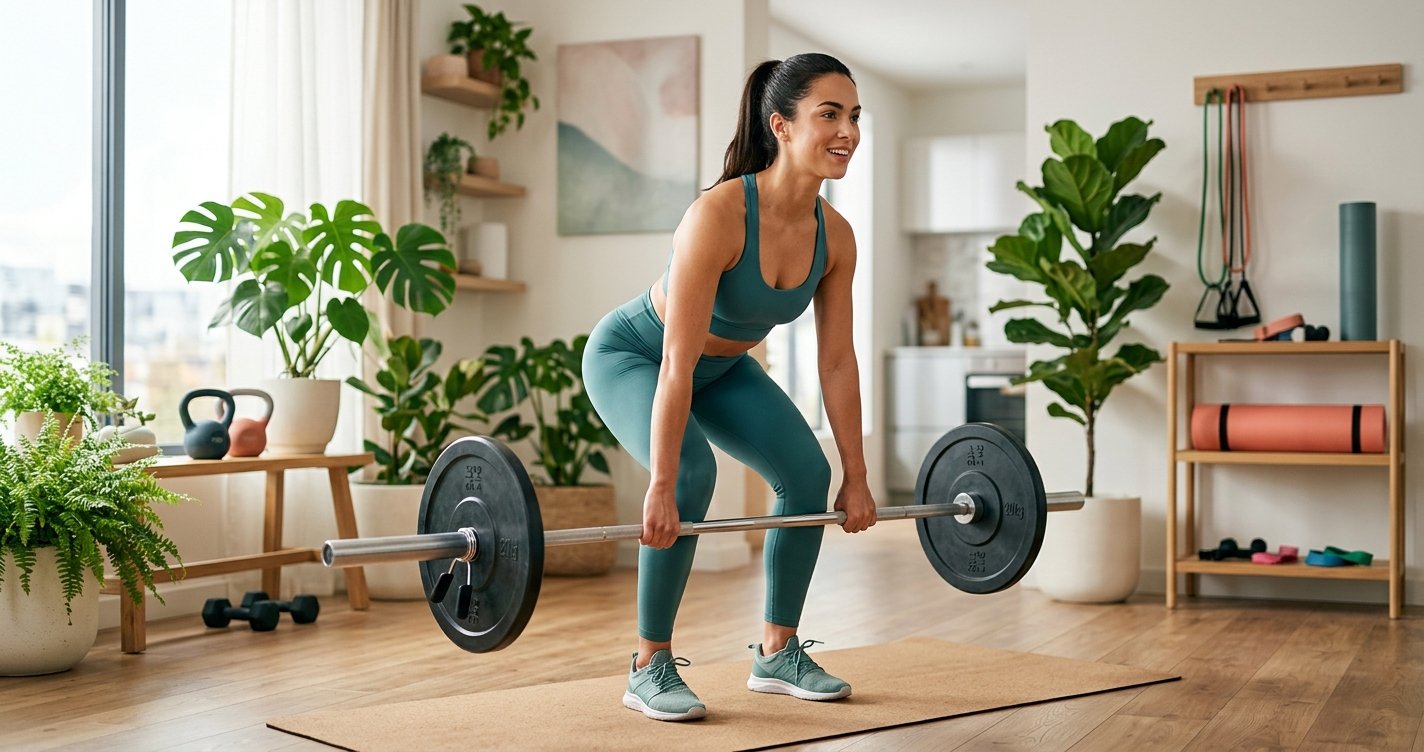
Hey there, fitness friend! Are you on a mission to shed some stubborn fat, feel stronger, and look more toned? If your current strategy mainly revolves around endless hours on the treadmill, you might be missing out on one of the most powerful, efficient, and enjoyable tools in the fat loss arsenal: strength training. That's right, lifting weights isn't just for bodybuilders; it's a game-changer for anyone looking to transform their body composition, boost their metabolism, and achieve sustainable fat loss.
For years, cardio has been crowned king of fat loss, but the science tells a more nuanced, and exciting, story. While cardio certainly has its place, strength training offers unique benefits that can accelerate your fat loss journey, sculpt your physique, and improve your overall health in ways that steady-state cardio simply can't match. Ready to discover why it’s time to embrace the weights? Let's dive in! this excellent wellness product
Why Strength Training is a Fat Loss Game-Changer (It's Not Just for Bodybuilders!)
Many people mistakenly believe that lifting weights will make them 'bulky.' This couldn't be further from the truth, especially for women, who lack the necessary testosterone levels to build significant muscle mass without extreme dedication and specific protocols. For most, strength training leads to a lean, toned, and strong physique.
The Metabolism Boost: How Muscle Burns More Calories 24/7
Here's the golden ticket: muscle tissue is metabolically active. This means it burns more calories at rest than fat tissue does. Think of it like this: the more muscle you have, the higher your basal metabolic rate (BMR) will be. Even when you're just sitting on the couch, your muscles are working, consuming energy. By building muscle through strength training, you're essentially turning your body into a more efficient, calorie-burning machine around the clock. This 'afterburn effect,' also known as EPOC (Excess Post-exercise Oxygen Consumption), means your body continues to burn extra calories for hours after your workout as it recovers and rebuilds.
Sculpting Your Body: Beyond Just Losing Weight
While the scale might show a lower number, true body transformation is about more than just weight loss; it's about fat loss and body recomposition. Strength training allows you to actively shape your body. It reduces overall body fat while simultaneously building muscle, leading to a firmer, more defined physique. You might even find your clothes fitting better and your shape changing positively, even if the scale doesn't move dramatically at first (because muscle is denser than fat, so 5 pounds of muscle takes up less space than 5 pounds of fat!).
Preserving Muscle While Losing Fat: The Holy Grail
When you restrict calories to lose weight without strength training, a significant portion of that weight loss can come from muscle, not just fat. Losing muscle slows down your metabolism, making it harder to keep the weight off in the long run. Strength training, however, signals to your body that your muscles are important and need to be preserved. This means that when you're in a calorie deficit, your body is much more likely to prioritize burning fat for energy, helping you achieve a leaner, more metabolically active body.
The Science-Backed Benefits You Can't Ignore
The advantages of strength training extend far beyond just looking good. It's a cornerstone of overall health and longevity.
Improved Insulin Sensitivity and Hormonal Balance
Regular strength training can significantly improve insulin sensitivity, meaning your body becomes more efficient at using glucose for energy and storing it in your muscles, rather than converting it to fat. This is crucial for preventing conditions like Type 2 diabetes and can help regulate hormones that play a role in fat storage, such as cortisol and ghrelin. Better hormonal balance leads to fewer cravings, better mood, and more consistent energy levels.
Stronger Bones, Better Mood, More Energy
- Bone Density: Weight-bearing exercises put stress on your bones, prompting them to grow stronger and denser. This is vital for preventing osteoporosis, especially as we age.
- Mental Health: Like other forms of exercise, strength training releases endorphins, which have mood-boosting effects. It can reduce symptoms of anxiety and depression, improve self-esteem, and provide a sense of accomplishment.
- Functional Strength: Everyday tasks become easier. Lifting groceries, playing with kids, or climbing stairs – everything feels less strenuous when your body is strong and capable.
Getting Started: Your Beginner-Friendly Strength Training Plan
Ready to pick up some weights? Here’s how to start safely and effectively.
Frequency and Volume: How Much is Enough?
For beginners, 2-3 full-body strength training sessions per week on non-consecutive days is a fantastic starting point. This allows your muscles adequate time to recover and grow. Each session should last 45-60 minutes, including a warm-up and cool-down.
Choosing Your Tools: Bodyweight, Dumbbells, or Gym Machines?
- Bodyweight: Perfect for beginners or those working out at home. Exercises like squats, lunges, push-ups (modified as needed), planks, and glute bridges are highly effective.
- Dumbbells/Resistance Bands: Affordable and versatile, dumbbells allow for progressive overload as you get stronger. Bands offer excellent resistance and are great for travel.
- Gym Machines: Machines are great for learning proper form as they guide your movement. They can also be less intimidating for newcomers to the gym.
Key Exercises for Maximum Impact (Compound Movements)
Focus on compound exercises, which work multiple muscle groups simultaneously, giving you more bang for your buck and burning more calories.
- Squats: Works glutes, quads, hamstrings, and core.
- Deadlifts (or Romanian Deadlifts): Targets glutes, hamstrings, back, and core.
- Push-ups (or Bench Press): Engages chest, shoulders, and triceps.
- Rows (e.g., Dumbbell Rows, Cable Rows): Works back and biceps.
- Overhead Press: Targets shoulders and triceps.
- Lunges: Works quads, glutes, and hamstrings, improving balance.
Aim for 3-4 sets of 8-12 repetitions for each exercise, choosing a weight that challenges you by the last few reps but allows you to maintain good form.
Progressive Overload: The Secret to Continuous Progress
To keep getting stronger and seeing results, you need to challenge your muscles continually. This is called progressive overload. It means gradually increasing the demands on your body. This can be done by:
- Increasing the weight you lift.
- Doing more repetitions with the same weight.
- Performing more sets.
- Reducing rest time between sets.
- Improving your exercise form.
Don't be afraid to lift heavy enough to feel challenged. That's where the magic happens!
Fueling Your Progress: Nutrition for Strength & Fat Loss
Your diet is just as crucial as your training. You can't out-train a poor diet!
Protein is Your Best Friend
When you're strength training, your body needs ample protein to repair and build muscle tissue. Aim for 0.7-1 gram of protein per pound of body weight daily. Think lean meats, poultry, fish, eggs, dairy, legumes, and protein supplements. Protein also keeps you feeling fuller for longer, which can help manage calorie intake.
Don't Fear Carbs (The Right Ones!)
Carbohydrates are your body's primary energy source. They fuel your workouts and help replenish muscle glycogen stores, aiding recovery. Focus on complex carbs like whole grains, fruits, and vegetables, especially around your workouts.
Healthy Fats: Essential for Hormones
Healthy fats are vital for hormone production, nutrient absorption, and overall health. Include sources like avocados, nuts, seeds, olive oil, and fatty fish in moderation.
Common Myths Debunked & Overcoming Obstacles
Let's tackle some common concerns that might be holding you back.
"I'll get too bulky!" (Spoiler: You Won't, Unless You Try Really Hard)
As mentioned, it's incredibly difficult for most women to build large, 'bulky' muscles due to hormonal differences. What you'll achieve is a lean, strong, and toned physique. Embrace the strength and definition!
"Cardio is better for fat loss." (Not the whole picture!)
While cardio burns calories during the activity, strength training boosts your metabolism for hours afterward and builds muscle, which burns more calories 24/7. For optimal fat loss, a combination of both is ideal, with strength training taking a prominent role.
Putting It All Together: Your Sustainable Path to a Leaner You
Embracing strength training for fat loss is a journey, not a sprint. It's about building sustainable habits that lead to lasting results and a healthier, stronger you.
Consistency, Patience, and Enjoying the Journey
Results won't happen overnight, but with consistent effort, proper nutrition, and adequate rest, you will see incredible changes. Be patient with yourself, celebrate small victories, and focus on how you feel. The increased energy, improved mood, and newfound strength are rewards in themselves.
So, are you ready to ditch the endless cardio and discover the transformative power of strength training? It's time to lift your way lean, build a body you're proud of, and unlock a healthier, more vibrant you. Your future self will thank you!