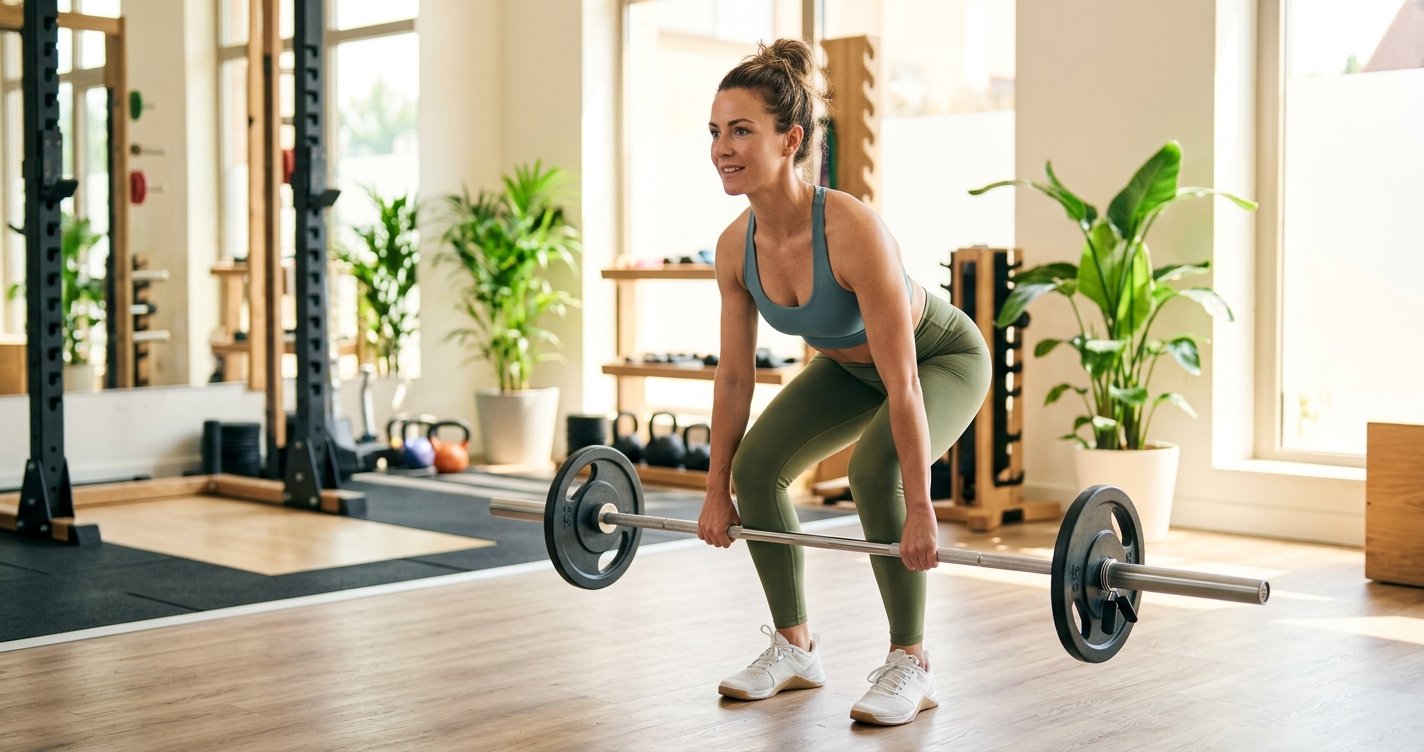
Unlock Your Fat Loss Potential: Why Strength Training is Your Best Friend
When you picture ‘fat loss,’ what comes to mind? For many, it’s endless hours on a treadmill, sweating through cardio sessions, and meticulously counting every calorie. While cardio and nutrition are undoubtedly crucial pieces of the puzzle, there’s a powerful, often underestimated, player that can revolutionize your fat loss journey: strength training.
Forget the old myth that lifting weights is just for bodybuilders or bulking up. For women and men alike, incorporating strength training into your routine is one of the most effective, efficient, and sustainable ways to shed unwanted fat, sculpt your physique, and boost your overall health. It’s not just about losing weight; it’s about transforming your body composition, building confidence, and creating a healthier, stronger you. Let’s dive into why strength training is a true game-changer for sustainable fat loss, backed by science and packed with practical advice. this excellent wellness product
Why Strength Training is a Fat Loss Game-Changer
Strength training offers a unique set of benefits that go far beyond what traditional cardio alone can provide for fat loss. It’s a multi-faceted approach that attacks fat from several angles.
Boost Your Metabolism (The Afterburn Effect)
One of the most exciting benefits of strength training is its impact on your metabolism, even after your workout is over. This phenomenon is known as EPOC (Excess Post-exercise Oxygen Consumption), or more commonly, the “afterburn effect.” Unlike steady-state cardio, which burns calories primarily during the activity itself, intense strength training causes your body to consume more oxygen and calories for hours, sometimes even days, post-workout as it recovers and repairs muscle tissue. This means you’re burning extra calories long after you’ve left the gym, giving you a significant metabolic advantage in your fat loss efforts.
Build Muscle, Burn More Calories at Rest
Here’s a simple but profound truth: muscle is metabolically active tissue. This means that the more muscle mass you have, the more calories your body naturally burns at rest, even when you’re just sitting on the couch or sleeping. Imagine your body as an engine; a bigger, more muscular engine requires more fuel to run. By building muscle through strength training, you effectively turn your body into a more efficient fat-burning machine 24/7. This elevation in your Resting Metabolic Rate (RMR) is a cornerstone of sustainable fat loss, making it easier to maintain a calorie deficit without drastic dietary restrictions.
Reshape Your Body (Body Recomposition)
Fat loss isn't just about the number on the scale; it's about what your body is made of. Strength training excels at body recomposition – the process of decreasing body fat while simultaneously increasing or maintaining muscle mass. This is why two people can weigh the exact same but look completely different. The one with more muscle and less fat will appear leaner, stronger, and more toned. Strength training allows you to actively sculpt your body, creating curves where you want them and firming up areas that might feel 'soft.' It shifts the focus from simply losing 'weight' to losing 'fat' and gaining 'muscle,' leading to a more aesthetically pleasing and functional physique.
Getting Started: Your Strength Training Blueprint for Fat Loss
Ready to embrace the weights? Here’s how to get started safely and effectively on your strength training journey for fat loss.
Choose the Right Exercises
For maximum impact, focus on compound movements. These exercises engage multiple joints and muscle groups simultaneously, leading to a higher calorie burn during your workout and a greater stimulus for muscle growth. Examples include:
- Squats: Barbell, dumbbell, or goblet squats work your glutes, quads, and core.
- Deadlifts: Conventional, sumo, or Romanian deadlifts target your entire posterior chain (hamstrings, glutes, back).
- Bench Press: Works chest, shoulders, and triceps.
- Overhead Press: Strengthens shoulders and triceps.
- Rows: Barbell rows, dumbbell rows, or cable rows build a strong back and biceps.
- Lunges: Great for unilateral leg strength and stability.
Aim for 2-4 sets of 6-12 repetitions for most exercises, choosing a weight that challenges you by the last few reps.
Consistency Over Intensity (Initially)
The most important thing when starting is consistency. Aim for 2-4 strength training sessions per week. Don't worry about lifting super heavy right away. Focus on learning the movements and building a routine. As you get stronger, you can gradually increase the intensity. Consistency builds habits, and habits lead to long-term success.
Focus on Form, Not Just Weight
Proper form is paramount. Not only does it prevent injuries, but it also ensures you’re effectively targeting the intended muscles. Lifting with poor form can lead to imbalances and diminish the results you’re working for. If you’re unsure about technique, consider hiring a certified personal trainer for a few sessions or utilize reputable online resources and videos to learn correct movement patterns. It’s always better to lift lighter with perfect form than heavier with sloppy technique.
Don't Forget Progressive Overload
Progressive overload is the secret sauce to continuous progress. It means gradually increasing the demands placed on your muscles over time. Without it, your muscles won't have a reason to grow stronger or adapt. You can achieve progressive overload by:
- Increasing the weight you lift.
- Doing more repetitions with the same weight.
- Adding more sets to your workout.
- Decreasing rest times between sets.
- Increasing the frequency of your workouts.
- Performing more challenging variations of exercises.
Continuously challenging your body is how you continue to build muscle and keep your metabolism firing.
Beyond the Weights: Complementary Strategies for Optimal Results
While strength training is powerful, it works best when combined with other healthy habits. Think of it as a team effort for your body.
Fuel Your Body Right (Nutrition is King)
You can’t out-train a poor diet. To maximize fat loss and muscle gain, your nutrition must be on point. Focus on:
- Protein: Essential for muscle repair and growth, and highly satiating. Aim for 0.7-1 gram of protein per pound of body weight.
- Calorie Deficit: To lose fat, you generally need to consume slightly fewer calories than you burn. A modest, sustainable deficit is key.
- Whole Foods: Prioritize lean proteins, complex carbohydrates, healthy fats, and plenty of fruits and vegetables.
- Hydration: Drink plenty of water throughout the day to support metabolism, energy levels, and overall health.
Remember, nutrition provides the building blocks for muscle and the energy for your workouts. It’s a non-negotiable part of the fat loss equation.
Prioritize Recovery and Sleep
Your muscles don’t grow in the gym; they grow and repair during rest. Adequate sleep (7-9 hours per night) is critical for hormone regulation, energy levels, and muscle recovery. Poor sleep can disrupt hormones like ghrelin (hunger hormone) and leptin (satiety hormone), making you feel hungrier and crave unhealthy foods. It also increases cortisol, a stress hormone linked to belly fat storage. Give your body the rest it needs to perform and recover optimally.
Listen to Your Body and Be Patient
Fat loss is a journey, not a sprint. There will be good days and challenging days. Listen to your body – if you’re feeling overly fatigued, take a rest day or opt for lighter activity. Celebrate non-scale victories, such as increased strength, clothes fitting better, improved energy, or a more positive mindset. Consistency and patience will always win in the long run.
Embrace the Strength Within
Strength training is more than just a workout; it’s an investment in your physical and mental well-being. It empowers you, builds resilience, and offers a sustainable path to transforming your body and boosting your confidence. By focusing on building muscle, you’re not just losing fat; you’re building a stronger metabolism, a more resilient body, and a healthier relationship with yourself.
So, step away from the endless cardio. Pick up those weights. Start small, stay consistent, and watch as your body transforms, becoming leaner, stronger, and more vibrant than you ever imagined. Your fat loss journey will thank you for embracing the power of strength!