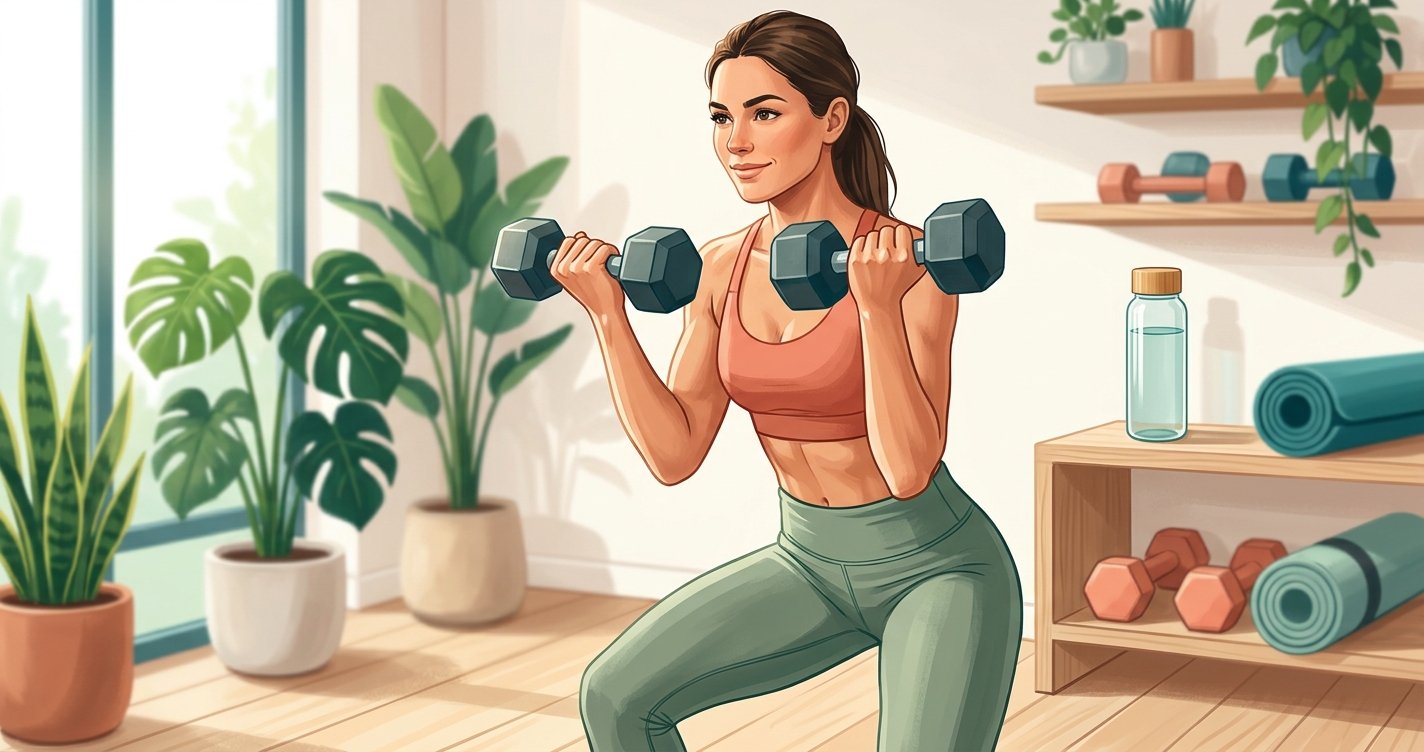
When you picture 'fat loss,' what comes to mind? Hours on the treadmill? Restrictive diets that leave you feeling deprived? While cardio and nutrition are certainly key players, there's a powerful, often underestimated ally in your fat loss journey: strength training. It's time to move beyond the scale and discover how lifting weights can transform your body, boost your metabolism, and build lasting confidence. Get ready to redefine what it means to lose fat and build a stronger, healthier you!
Why Strength Training is Your Fat Loss Secret Weapon
Forget the myth that strength training is just for bodybuilders. For anyone looking to shed unwanted fat, it's a game-changer. Here's why: this excellent wellness product
The Metabolic Advantage: Burning Calories Long After Your Workout
One of the most exciting benefits of strength training is its impact on your metabolism. Unlike cardio, which primarily burns calories during the activity itself, strength training provides a significant 'afterburn effect.' This phenomenon, known as EPOC (Excess Post-exercise Oxygen Consumption), means your body continues to burn extra calories for hours, and sometimes even days, after your workout to repair and rebuild muscle tissue.
What's more, muscle tissue is metabolically more active than fat tissue. This means that the more muscle you build, the more calories your body naturally burns at rest, even when you're just sitting on the couch! This metabolic boost is your secret weapon for sustainable fat loss, turning your body into a more efficient fat-burning machine 24/7.
Building Muscle, Sculpting Your Body
When you strength train, you're not just losing fat; you're actively shaping your body. Fat loss alone can sometimes leave you feeling 'soft' or 'skinny-fat.' By building muscle, you create definition, tone, and a more athletic physique. Think about it: a stronger core, sculpted arms, and firmer glutes. This process, often called 'body recomposition,' is about changing your body's fat-to-muscle ratio, leading to a leaner, more aesthetically pleasing look that the scale might not fully capture.
Beyond the Scales: The True Markers of Progress
It's easy to get fixated on the number on the bathroom scale, but when you're strength training for fat loss, that number can be misleading. Here’s why you should look beyond it:
Body Composition: A More Meaningful Measure
Muscle is denser than fat, meaning it takes up less space but weighs more per volume. So, as you build muscle and lose fat, your weight might stay the same or even increase slightly, even though your body is visibly transforming. This is why focusing on body composition (the ratio of fat to muscle) is far more meaningful than just total weight.
- How your clothes fit: Are your jeans looser? Is that top fitting better?
- Measurements: Track your waist, hips, arms, and thighs. You'll likely see inches dropping even if the scale doesn't budge.
- Progress photos: Take pictures every 4-6 weeks to visually see the changes in your body shape.
These non-scale victories offer a much clearer and more encouraging picture of your progress.
Strength, Energy, and Confidence
Fat loss isn't just about how you look; it's about how you feel. Strength training offers a wealth of non-aesthetic benefits that contribute to overall well-being:
- Increased Strength: Everyday tasks become easier, from carrying groceries to playing with your kids.
- Improved Energy Levels: Regular exercise, especially strength training, can boost your stamina and reduce fatigue.
- Better Mood & Mental Health: Exercise is a powerful stress reliever and can significantly improve symptoms of anxiety and depression.
- Boosted Confidence: As you get stronger and see your body transform, your self-esteem will soar.
These are the true indicators of a successful, sustainable fat loss journey.
Getting Started: Your Strength Training Blueprint
Ready to pick up some weights? Here’s a simple guide to get you started on your strength training journey:
The Basics: Compound Movements and Progressive Overload
For beginners, focus on compound movements – exercises that work multiple muscle groups simultaneously. They are incredibly efficient and effective:
- Squats: Works glutes, quads, hamstrings.
- Deadlifts (or Romanian Deadlifts): Works glutes, hamstrings, back.
- Push-ups (or bench press): Works chest, shoulders, triceps.
- Rows (dumbbell or cable): Works back, biceps.
- Overhead Press: Works shoulders, triceps.
The key principle in strength training is progressive overload. This means gradually increasing the demands placed on your muscles over time. This could be by:
- Lifting slightly heavier weights.
- Performing more repetitions (reps) with the same weight.
- Doing more sets of an exercise.
- Reducing rest time between sets.
Without progressive overload, your muscles won't have a reason to get stronger or grow, and your progress will stall.
Consistency Over Intensity (Especially at First!)
Don't feel like you need to become an Olympic lifter overnight. Consistency is far more important than intensity when you're starting out. Aim for 2-3 full-body strength training sessions per week. Focus on learning proper form with lighter weights before increasing the load. Consider working with a certified personal trainer for a few sessions to ensure your technique is correct and to build a safe, effective program.
Fueling Your Progress: Nutrition's Role
Strength training and nutrition go hand-in-hand. You can't out-train a poor diet, and you can't build muscle efficiently without proper fuel.
Protein Power: The Muscle Builder
Protein is absolutely crucial when you're strength training for fat loss. It's the building block for muscle repair and growth, and it also helps keep you feeling full and satisfied, reducing cravings. Aim for around 0.7-1 gram of protein per pound of your target body weight daily, distributed across your meals. Good sources include lean meats, poultry, fish, eggs, dairy, legumes, and protein supplements.
Calorie Deficit with Purpose
To lose fat, you still need to consume fewer calories than you burn (a calorie deficit). However, when you're strength training, it's vital to create this deficit smartly. A drastic calorie cut can lead to muscle loss, which is counterproductive to your goals. Focus on whole, unprocessed foods, prioritize protein, and ensure you're getting enough healthy fats and complex carbohydrates to fuel your workouts and recovery.
Common Myths and Misconceptions
Let's bust a few common myths that might be holding you back:
- Myth: Lifting makes women bulky. Fact: Women naturally have much lower testosterone levels than men, making it very difficult to build large, 'bulky' muscles. Strength training will instead create a toned, lean, and sculpted physique.
- Myth: Cardio is better for fat burning. Fact: While cardio burns more calories during the workout itself, strength training boosts your metabolism for hours afterward and builds muscle, which burns more calories at rest. For optimal fat loss, a combination of both is ideal!
- Myth: You need to live in the gym. Fact: Effective strength training can be done in as little as 2-4 sessions per week, each lasting 45-60 minutes. Consistency and smart programming are more important than excessive time.
Embrace the Journey: Stronger, Healthier, Happier You
Strength training for fat loss is a journey of empowerment. It’s about building a body that not only looks great but feels incredible, too. You'll gain strength, confidence, and a renewed appreciation for what your body can achieve. Be patient with yourself, celebrate every small victory, and remember that true progress isn't just about a number on the scale, but about the stronger, healthier, and happier person you're becoming.
So, ditch the endless cardio sessions and restrictive diets. Embrace the weights, fuel your body wisely, and watch as you transform into the strongest, most vibrant version of yourself. Your ultimate secret weapon is waiting!