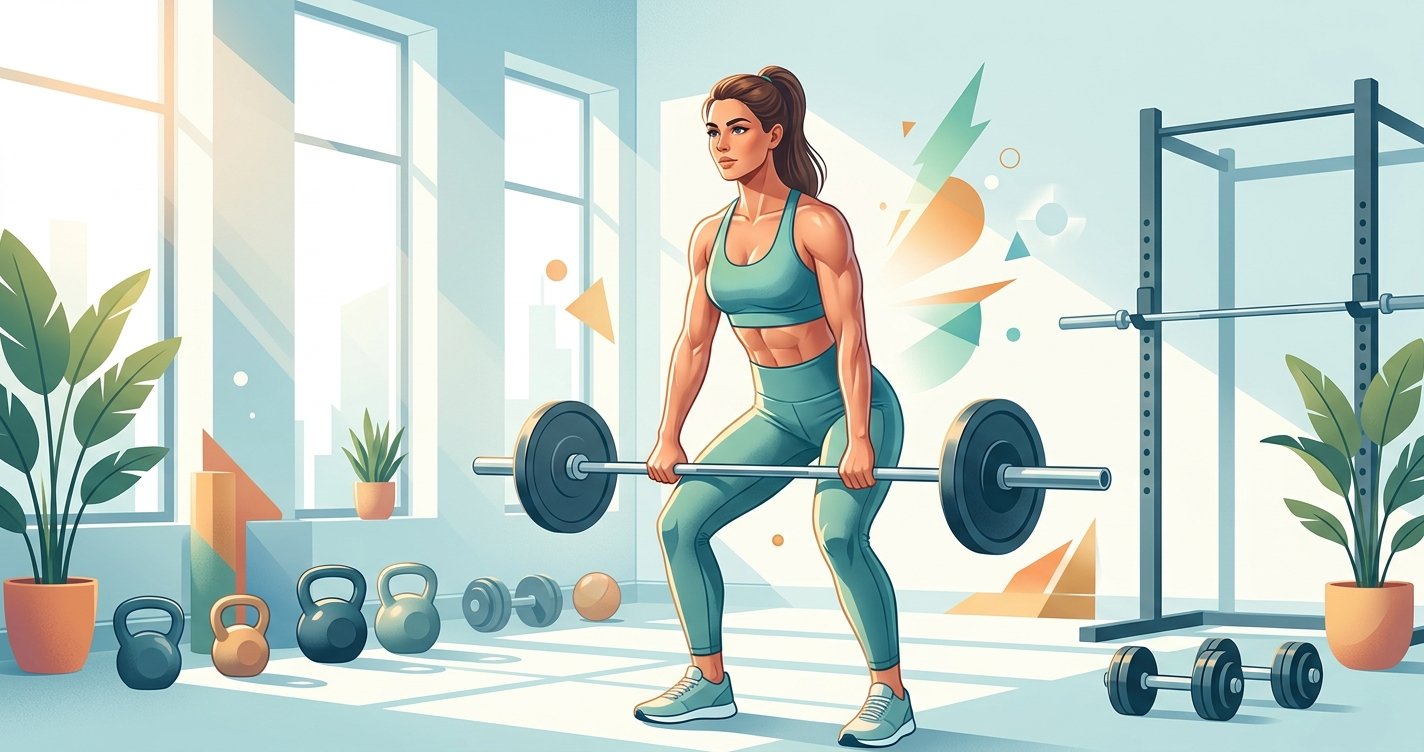
Tired of the Cardio Treadmill? Unlock Sustainable Fat Loss with Strength Training!
For years, the go-to advice for fat loss revolved around endless cardio sessions and restrictive diets. While cardio certainly has its place for heart health, if your primary goal is sustainable fat loss and a truly transformed physique, it might be time to embrace a more powerful, often overlooked ally: strength training. Forget the myth that lifting weights will make you "bulky" or that it’s just for bodybuilders. For anyone looking to efficiently burn fat, boost their metabolism, and sculpt a stronger, healthier body, resistance training is your secret weapon. Let’s dive into why.
Why Strength Training is Your Secret Weapon for Fat Loss (Beyond the Scale)
When we talk about fat loss, many people immediately think of losing "weight." But weight loss can include muscle, water, and fat. True fat loss, especially when combined with muscle gain, leads to body recomposition – a more favorable shift in your body’s lean mass to fat mass ratio. This is where strength training shines. this excellent wellness product
- Metabolic Powerhouse: Muscle tissue is metabolically active, meaning it burns more calories at rest than fat tissue. The more muscle you have, the higher your basal metabolic rate (BMR) – the number of calories your body burns just to exist. This means you’re burning more calories 24/7, even when you’re sleeping!
- EPOC: The Afterburn Effect: Strength training creates a significant metabolic disturbance in your body. After a challenging lifting session, your body continues to burn extra calories for hours, sometimes even days, to recover and repair muscle tissue. This phenomenon is known as Excess Post-exercise Oxygen Consumption (EPOC), or the "afterburn effect," and it’s far more pronounced after strength training than after steady-state cardio.
- Body Sculpting: While fat loss reduces your overall size, strength training actively shapes your body. It helps create definition, improve posture, and give you that toned, athletic look that cardio alone often can’t achieve.
The Science-Backed Benefits: How It Works
Let’s get a little deeper into the science that makes strength training so effective for shedding unwanted body fat.
- Improved Insulin Sensitivity: Regular strength training can significantly improve your body’s insulin sensitivity. This means your cells become more efficient at absorbing glucose from your bloodstream, reducing the likelihood of it being stored as fat. Better insulin sensitivity is crucial for managing blood sugar levels and preventing fat accumulation, especially around the midsection.
- Hormonal Optimization: Lifting weights can positively influence key hormones involved in fat metabolism and muscle growth. It can boost growth hormone, which aids in fat burning and tissue repair, and testosterone (in both men and women, albeit to different degrees), which is vital for muscle development and overall vitality.
- Bone Density and Joint Health: Beyond fat loss, strength training is a powerful tool for building and maintaining strong bones, reducing the risk of osteoporosis as you age. It also strengthens the muscles and connective tissues around your joints, improving stability and reducing the risk of injury in daily life and other physical activities.
- Enhanced Functional Strength: Lifting weights doesn’t just make you look good; it makes you stronger and more capable in everyday life. Carrying groceries, playing with kids, or climbing stairs all become easier when you’ve built a foundation of strength.
Getting Started: Your Beginner-Friendly Strength Training Plan
Ready to ditch the endless cardio and pick up some weights? Here’s how to begin safely and effectively:
- Frequency: Aim for 2-3 full-body strength training sessions per week on non-consecutive days (e.g., Monday, Wednesday, Friday) to allow for muscle recovery.
- Focus on Compound Movements: These exercises work multiple muscle groups simultaneously, making your workouts more efficient and effective. Think:
- Squats: Goblet squats, bodyweight squats
- Deadlifts: Romanian deadlifts, good mornings (with light weight)
- Presses: Push-ups (on knees or incline), dumbbell overhead press, dumbbell bench press
- Rows: Dumbbell rows, resistance band rows
- Lunges: Forward lunges, reverse lunges
- Sets and Reps: For beginners, 2-3 sets of 8-12 repetitions per exercise is a great starting point. Focus on controlled movements and proper form.
- Progressive Overload: This is the cornerstone of strength training. To keep making progress, you need to gradually increase the challenge over time. This can mean:
- Lifting slightly heavier weight
- Doing more repetitions with the same weight
- Adding more sets
- Reducing rest time between sets
- Improving your form and control
- Proper Form is Key: Always prioritize good form over lifting heavy weights. Watch videos, consider hiring a trainer for a few sessions, or use mirrors to ensure you’re performing exercises correctly to prevent injury and maximize effectiveness.
Fueling Your Gains: Nutrition for Strength Training & Fat Loss
Your efforts in the gym will only go so far without the right fuel. Nutrition plays a critical role in supporting muscle growth and facilitating fat loss.
- Prioritize Protein: Protein is essential for muscle repair and growth. Aim for about 0.7-1 gram of protein per pound of body weight daily, spread throughout your meals. Lean meats, poultry, fish, eggs, dairy, legumes, and protein supplements are excellent sources.
- Smart Carbohydrates: Don’t fear carbs! They are your body’s primary energy source, crucial for fueling intense workouts and replenishing glycogen stores. Opt for complex carbohydrates like whole grains, fruits, and vegetables.
- Healthy Fats: Essential for hormone production and overall health, healthy fats (avocado, nuts, seeds, olive oil) should be included in your diet in moderation.
- Calorie Deficit (Strategic): To lose fat, you generally need to consume slightly fewer calories than you burn. However, avoid drastic deficits, as this can hinder muscle growth and slow your metabolism. A moderate deficit (250-500 calories below maintenance) is usually ideal for sustainable fat loss while preserving muscle.
- Hydration: Drink plenty of water throughout the day. It’s vital for metabolic processes, nutrient transport, and overall performance.
Common Myths & Pitfalls to Avoid
- "Women Will Get Bulky": This is perhaps the biggest myth. Women lack the hormonal profile (specifically, high levels of testosterone) to build large amounts of muscle mass like men do. Instead, you’ll likely achieve a lean, toned, and strong physique.
- "Cardio is Better for Fat Loss": While cardio burns calories during the workout, strength training offers a superior "afterburn" effect and builds muscle, which boosts your metabolism long-term. A combination of both is often most effective.
- "You Need to Lift Super Heavy": While progressive overload is important, you don’t need to be lifting max weights from day one. Start with weights that allow you to maintain perfect form for the desired rep range, and gradually increase as you get stronger.
- Overtraining vs. Consistency: More isn’t always better. Overtraining can lead to fatigue, injury, and hinder progress. Stick to your 2-3 sessions a week and prioritize rest and recovery. Consistency over intensity is the real key.
Consistency is Key: Making It a Lifestyle
Sustainable fat loss and body transformation are not quick fixes; they are journeys that require patience and consistency. Here’s how to make strength training a lasting part of your lifestyle:
- Track Your Progress: Keep a workout journal. Note the exercises, sets, reps, and weights used. Seeing your strength improve is incredibly motivating and helps ensure progressive overload.
- Don’t Just Rely on the Scale: The scale doesn’t tell the whole story. As you gain muscle and lose fat, your weight might not change drastically, but your body composition will. Take progress photos, measure inches, and notice how your clothes fit.
- Prioritize Rest and Recovery: Muscle growth happens outside the gym. Ensure you’re getting 7-9 hours of quality sleep each night. This is crucial for muscle repair, hormone regulation, and overall well-being.
- Find What You Enjoy: Whether it’s free weights, resistance bands, bodyweight exercises, or group classes, find a form of strength training that you genuinely enjoy. This will make it much easier to stick with it long-term.
- Be Patient and Kind to Yourself: Results take time. There will be good days and challenging days. Celebrate small victories, learn from setbacks, and remember that every effort counts.
Ready to Transform? Start Lifting Today!
Strength training offers a powerful, evidence-based path to sustainable fat loss, a higher metabolism, and a stronger, more confident you. It’s more than just a workout; it’s an investment in your long-term health and well-being. So, step away from the endless cardio, pick up those weights, and start building the body you’ve always wanted. Your stronger, leaner self is waiting!