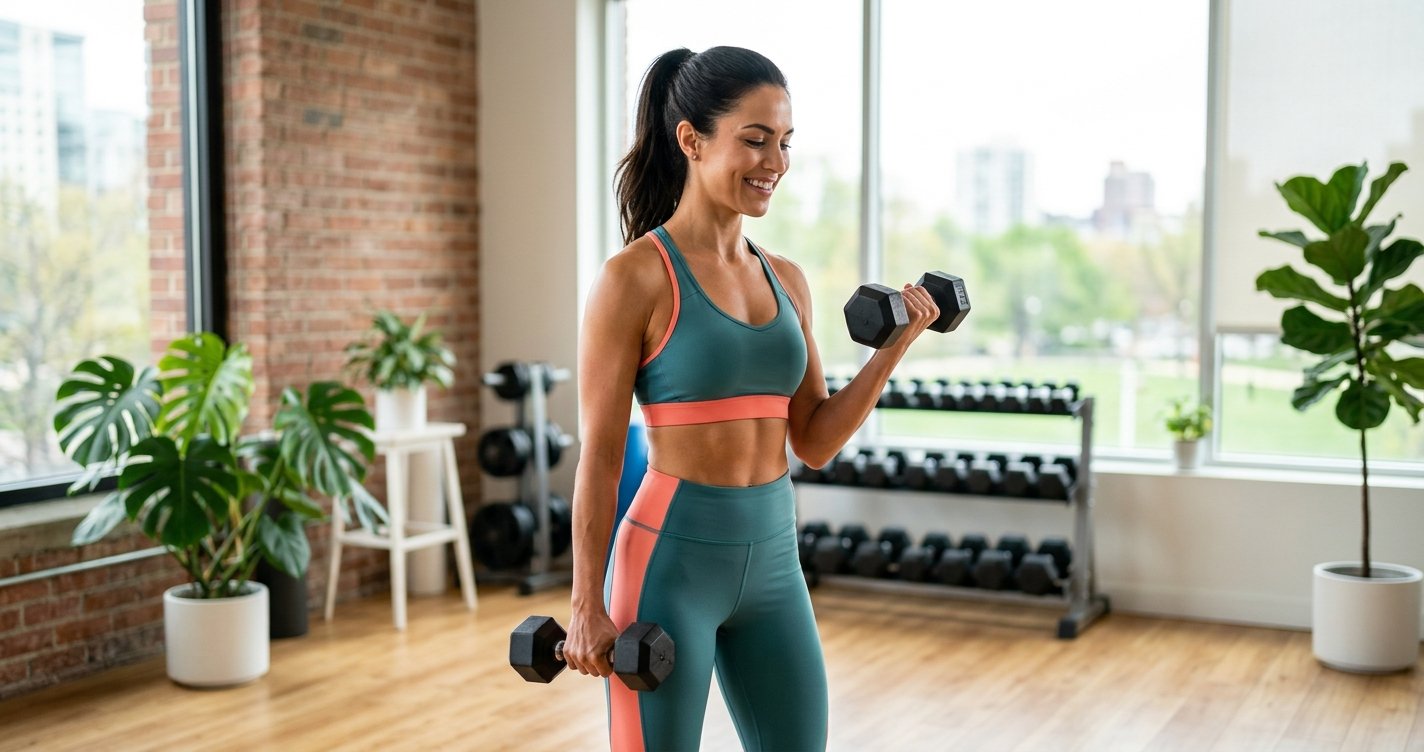
Are you tired of endless cardio sessions that leave you feeling drained but not seeing the results you truly desire? What if we told you there’s a more efficient, empowering, and incredibly effective way to shed fat, sculpt your body, and boost your metabolism? Enter strength training – your new best friend on the journey to sustainable fat loss. Forget the myths about "bulking up" or needing to spend hours on a treadmill. This isn't just about lifting weights; it's about transforming your body from the inside out, building a stronger, leaner, and more resilient you.
In this comprehensive guide, we'll dive deep into why strength training is a game-changer for fat loss, backed by science. We'll show you how to get started, how to fuel your body effectively, and crucial lifestyle factors that will amplify your results. Get ready to ditch the cardio monotony and embrace the power of iron! this excellent wellness product
Why Strength Training is Your Secret Weapon for Fat Loss (It's More Than Just Cardio!)
When most people think of fat loss, their minds often jump straight to running, cycling, or endless hours on the elliptical. While cardio certainly has its place, it’s often overemphasized at the expense of a far more potent tool: strength training. Here’s why lifting weights isn't just beneficial, it's foundational for sustainable fat loss:
1. The Metabolism Multiplier: Boosting Your Resting Calorie Burn
Muscle tissue is metabolically active, meaning it burns more calories at rest than fat tissue. This is a crucial distinction. The more muscle you have, the higher your Basal Metabolic Rate (BMR) will be. Imagine your body becoming a more efficient calorie-burning machine, even when you’re just sitting on the couch or sleeping! While the exact numbers vary, adding even a few pounds of muscle can significantly increase your daily energy expenditure.
2. The Afterburn Effect (EPOC): Burning Calories Long After Your Workout
Strength training triggers a phenomenon known as Excess Post-exercise Oxygen Consumption (EPOC), often called the "afterburn effect." After a challenging weightlifting session, your body continues to burn extra calories and oxygen for hours – sometimes even up to 48 hours – as it recovers, repairs muscle tissue, and restores physiological processes. This sustained calorie burn is far more pronounced with resistance training than with moderate cardio.
3. Reshaping Your Body: Building Muscle, Not Just Losing Weight
Fat loss isn't just about seeing a lower number on the scale; it's about improving your body composition – the ratio of fat to lean muscle mass. Strength training helps you achieve a more toned, sculpted physique by building muscle while simultaneously shedding fat. You might even find that your weight stays relatively stable, but your clothes fit better, and you look and feel much stronger and leaner. This is the power of body recomposition!
The Science-Backed Benefits of Lifting for a Leaner You
Beyond the immediate fat-burning advantages, strength training offers a cascade of health benefits that directly support your fat loss journey and overall well-being:
- Improved Insulin Sensitivity: Regular strength training helps your body use insulin more effectively, which is vital for regulating blood sugar levels and preventing fat storage.
- Hormonal Harmony: Lifting weights can positively influence key hormones related to fat loss, such as increasing growth hormone and testosterone (in both men and women, safely and naturally), which aid in muscle building and fat metabolism.
- Stronger Bones and Joints: As you age, bone density naturally declines. Strength training is a powerful way to put stress on your bones, stimulating them to become denser and stronger, reducing the risk of osteoporosis. It also strengthens the connective tissues around your joints, improving stability and reducing injury risk.
- Enhanced Mood and Mental Health: Like other forms of exercise, strength training releases endorphins, reduces stress, and can significantly boost self-esteem and body image. The sense of accomplishment from lifting heavier or mastering a new movement is incredibly empowering.
Getting Started: Your Beginner's Guide to Strength Training for Fat Loss
Ready to pick up some weights? Here’s how to start your strength training journey safely and effectively:
1. Focus on Form First, Weight Second
This is paramount. Poor form can lead to injuries and ineffective workouts. Start with lighter weights or even just your body weight to master the movement patterns. Consider working with a certified personal trainer for a few sessions to learn proper technique.
2. Embrace Compound Movements
Compound exercises work multiple muscle groups and joints simultaneously, making them incredibly efficient for building strength and burning calories. Examples include:
- Squats
- Deadlifts
- Bench Press (or Push-ups)
- Overhead Press
- Rows
These should form the foundation of your routine.
3. Consistency is Key: How Often to Train
For fat loss and muscle gain, aim for 2-4 strength training sessions per week. Allow at least 48 hours of rest for each major muscle group to recover and grow. A common split might be full-body workouts 3 times a week or an upper/lower split 4 times a week.
4. The Principle of Progressive Overload
To continue making progress, you need to challenge your muscles over time. This is progressive overload. It means gradually increasing the demands on your body. This can be achieved by:
- Increasing the weight lifted.
- Doing more repetitions (reps) or sets.
- Decreasing rest time between sets.
- Improving your form and control.
- Increasing the frequency of your workouts.
Don't just go through the motions; strive to be a little stronger or better each time.
Fueling Your Fat Loss Journey: Nutrition for Strength & Leanness
You can't out-train a poor diet. Nutrition plays an equally vital role in fat loss and muscle building. Here’s how to eat for success:
- Prioritize Protein: Protein is essential for muscle repair and growth, and it's highly satiating, helping you feel fuller for longer. Aim for 0.7-1 gram of protein per pound of body weight daily. Think lean meats, fish, eggs, dairy, legumes, and protein supplements.
- Smart Carbohydrates: Don't fear carbs! They are your body's primary energy source for intense workouts. Focus on complex carbohydrates like whole grains, fruits, and vegetables, which provide sustained energy and fiber.
- Healthy Fats: Crucial for hormone production and nutrient absorption. Include sources like avocados, nuts, seeds, olive oil, and fatty fish.
- Sustainable Calorie Deficit: To lose fat, you generally need to consume slightly fewer calories than you burn. However, a drastic deficit can hinder muscle growth and energy levels. Aim for a moderate, sustainable deficit (e.g., 250-500 calories below maintenance) and adjust as needed.
- Hydration: Drink plenty of water throughout the day. It’s essential for metabolism, nutrient transport, and overall performance.
Beyond the Gym: Lifestyle Factors for Optimal Results
Your journey doesn't end when you leave the gym. These lifestyle factors are critical for maximizing your fat loss and health:
- Quality Sleep: Aim for 7-9 hours of quality sleep per night. Sleep deprivation can disrupt hormones that regulate hunger (ghrelin) and satiety (leptin), making fat loss harder. It also impairs muscle recovery.
- Stress Management: Chronic stress elevates cortisol levels, which can promote fat storage, especially around the midsection. Incorporate stress-reducing activities like meditation, yoga, spending time in nature, or hobbies.
- Consistency and Patience: Fat loss and muscle gain are not linear processes. There will be good days and challenging days. Stay consistent with your training and nutrition, trust the process, and be patient. Sustainable results take time.
- Track Your Progress (Beyond the Scale): While the scale can be one metric, it doesn't tell the whole story. Take progress photos, measure body circumference, track your strength gains in the gym, and notice how your clothes fit. These non-scale victories are incredibly motivating!
Embrace the Strength, Embrace the Change!
Strength training is far more than just a way to build big muscles; it's a powerful, evidence-based strategy for sustainable fat loss, improved body composition, and overall health. By embracing the weights, you're not just burning calories; you're building a stronger metabolism, a more resilient body, and a more confident you. It’s an investment in your long-term health and well-being.
Ready to transform your body and unleash your inner strength? Start small, stay consistent, and enjoy the incredible journey. Remember, every rep counts, and every step forward is a victory. You've got this!
Disclaimer: Always consult with a healthcare professional or certified personal trainer before starting any new exercise program or making significant dietary changes, especially if you have underlying health conditions.