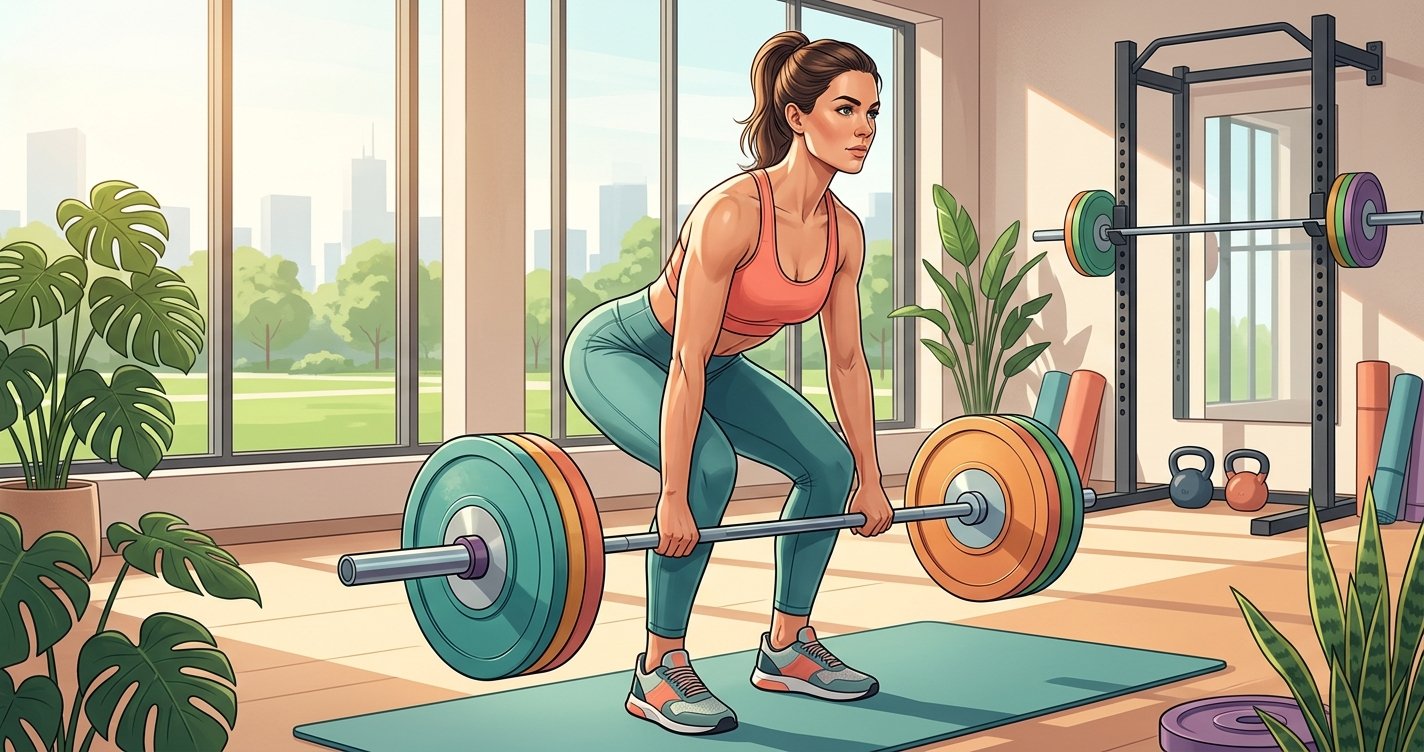
For years, the go-to advice for fat loss revolved almost entirely around endless cardio sessions. Picture it: hours on the elliptical, logging miles on the treadmill, all in the pursuit of burning calories and shedding those extra pounds. While cardio certainly has its place in a healthy lifestyle, if you're looking for truly sustainable, transformative fat loss, it's time to shift your focus. The secret weapon? Strength training.
Yes, lifting weights, bodyweight exercises, or resistance training of any kind can be your most powerful ally in the battle against unwanted fat. It's not just about building big muscles; it's about fundamentally changing your body composition, boosting your metabolism, and creating a leaner, stronger, more resilient you. Ready to discover how to burn fat more efficiently and sculpt the body you've always wanted? Let's dive in! this excellent wellness product
Why Strength Training Trumps Cardio Alone for Fat Loss
While cardio burns calories during your workout, strength training offers a unique set of benefits that continue to work for you long after you've racked the weights. It's about optimizing your body's fat-burning machinery.
The Afterburn Effect (EPOC)
Ever feel extra tired after a heavy lifting session? That's your body working overtime! Strength training creates a significant 'afterburn' effect, scientifically known as Excess Post-exercise Oxygen Consumption (EPOC). This means your body continues to burn calories at an elevated rate for hours, sometimes even days, after your workout as it recovers, repairs muscle tissue, and adapts. This metabolic boost is far more pronounced and sustained than what you typically get from moderate cardio.
Increased Resting Metabolic Rate (RMR)
Muscle is metabolically active tissue. Unlike fat, which is relatively inert, muscle requires more energy to maintain, even when you're just sitting on the couch. The more muscle you build through strength training, the higher your resting metabolic rate (RMR) becomes. This means you'll naturally burn more calories throughout the day, every day, simply by existing. Imagine burning more fat without doing anything extra – that's the power of muscle!
Body Composition Transformation
When you focus solely on cardio and calorie restriction, you risk losing both fat and muscle. While the scale might go down, you might end up 'skinny fat' – lower weight but still lacking definition and firmness. Strength training, however, helps you preserve and build muscle mass while you lose fat. This changes your body composition, leading to a leaner, more toned physique that looks and feels stronger, regardless of what the scale says.
The Science Behind the Sweat: How It Works
It's not magic; it's biology! Strength training triggers a cascade of physiological responses that are highly beneficial for fat loss.
Hormonal Optimization
Resistance training stimulates the release of key hormones crucial for fat loss and muscle growth, such as growth hormone and testosterone (yes, women need and produce testosterone too, just in smaller amounts). These hormones play vital roles in fat metabolism, muscle repair, and overall body recomposition.
Improved Insulin Sensitivity
Regular strength training can significantly improve insulin sensitivity. This means your body becomes more efficient at using glucose for energy and storing it in muscles rather than converting it into fat. Better insulin sensitivity is a cornerstone of effective fat loss and can help prevent conditions like type 2 diabetes.
Enhanced Fat Oxidation
By increasing muscle mass and improving metabolic efficiency, strength training trains your body to become better at burning fat for fuel. Your body adapts to become a more efficient fat-burning machine, not just during your workouts but throughout your daily life.
Getting Started: Your Beginner-Friendly Strength Training Plan
Ready to pick up some weights? Here's how to start safely and effectively.
Frequency and Consistency
Aim for 2-3 full-body strength training sessions per week on non-consecutive days. This allows your muscles adequate time to recover and grow. Consistency is far more important than intensity when you're starting out.
Focus on Compound Movements
Compound exercises work multiple muscle groups and joints simultaneously, making them incredibly efficient for building overall strength and burning calories. Think squats, deadlifts (or RDLs), lunges, push-ups, rows, and overhead presses.
Progressive Overload is Key
To continue seeing results, you must progressively challenge your muscles. This means gradually increasing the weight you lift, the number of repetitions, the number of sets, or decreasing rest times. Your muscles need a reason to grow stronger!
Sample Full-Body Workout (2-3 times/week)
- Warm-up: 5-10 minutes of light cardio and dynamic stretches.
- Squats: 3 sets of 8-12 repetitions
- Push-ups (or modified): 3 sets of as many reps as possible
- Dumbbell Rows (or resistance band rows): 3 sets of 8-12 repetitions per arm
- Lunges (alternating legs): 3 sets of 8-12 repetitions per leg
- Plank: 3 sets, hold for 30-60 seconds
- Cool-down: 5 minutes of static stretches.
Remember to choose a weight that challenges you by the last few reps but allows you to maintain good form.
Fueling Your Progress: Nutrition for Strength & Fat Loss
You can't out-train a poor diet. Nutrition is paramount when combining strength training with fat loss goals.
Protein is King
Adequate protein intake (around 0.7-1 gram per pound of body weight) is crucial for muscle repair, growth, and satiety. Lean meats, poultry, fish, eggs, dairy, legumes, and protein supplements are excellent sources.
Smart Carbohydrates
Don't fear carbs! They are your body's primary energy source for intense workouts. Focus on complex carbohydrates like whole grains, fruits, and vegetables, especially around your training sessions.
Healthy Fats
Healthy fats are essential for hormone production, nutrient absorption, and overall health. Include sources like avocados, nuts, seeds, and olive oil in moderation.
Calorie Deficit (The Right Way)
To lose fat, you generally need to consume fewer calories than you burn. However, avoid drastic cuts, as this can lead to muscle loss and metabolic slowdown. Aim for a moderate deficit (250-500 calories below maintenance) and prioritize nutrient-dense foods.
Common Myths & Misconceptions Debunked
Let's bust some common myths that might be holding you back.
"I'll Get Too Bulky" (Especially for Women)
This is arguably the biggest myth. Building significant muscle mass takes years of dedicated, very specific training and often a caloric surplus. Women, in particular, lack the testosterone levels to easily become "bulky." What you will get is a toned, defined, and strong physique.
"Cardio is Better for Burning Calories"
While cardio burns more calories *during* the session, strength training's EPOC and RMR boost often lead to more overall calorie burn over a 24-48 hour period. Plus, the body recomposition benefits are unmatched.
"I Need to Lift Heavy Every Day"
Your muscles need rest to recover and grow. Overtraining can lead to injury, fatigue, and stalled progress. Stick to 2-4 sessions per week, varying intensity, and listen to your body.
Beyond the Gym: Lifestyle Factors for Success
Your journey doesn't end when you leave the gym. Holistic health supports your fat loss goals.
Prioritize Quality Sleep
Sleep deprivation can wreak havoc on your hormones, increasing cortisol (a stress hormone that promotes fat storage) and ghrelin (a hunger hormone) while decreasing leptin (a satiety hormone). Aim for 7-9 hours of quality sleep per night.
Manage Stress Effectively
Chronic stress also elevates cortisol levels, making fat loss incredibly difficult. Incorporate stress-reducing activities like meditation, yoga, spending time in nature, or hobbies you enjoy.
Stay Hydrated
Water is essential for nearly every bodily function, including metabolism and nutrient transport. Drink plenty of water throughout the day to support your energy levels and overall health.
Embrace the Strength Within You!
Shifting your focus to strength training is one of the most empowering decisions you can make for your fat loss journey. It's not just about changing your body; it's about building confidence, resilience, and a deeper understanding of what your body is truly capable of. Forget the endless cardio and embrace the weights. You'll not only burn fat more effectively but also build a stronger, healthier, and more vibrant version of yourself. So, grab those dumbbells, feel the burn, and start transforming your body today!