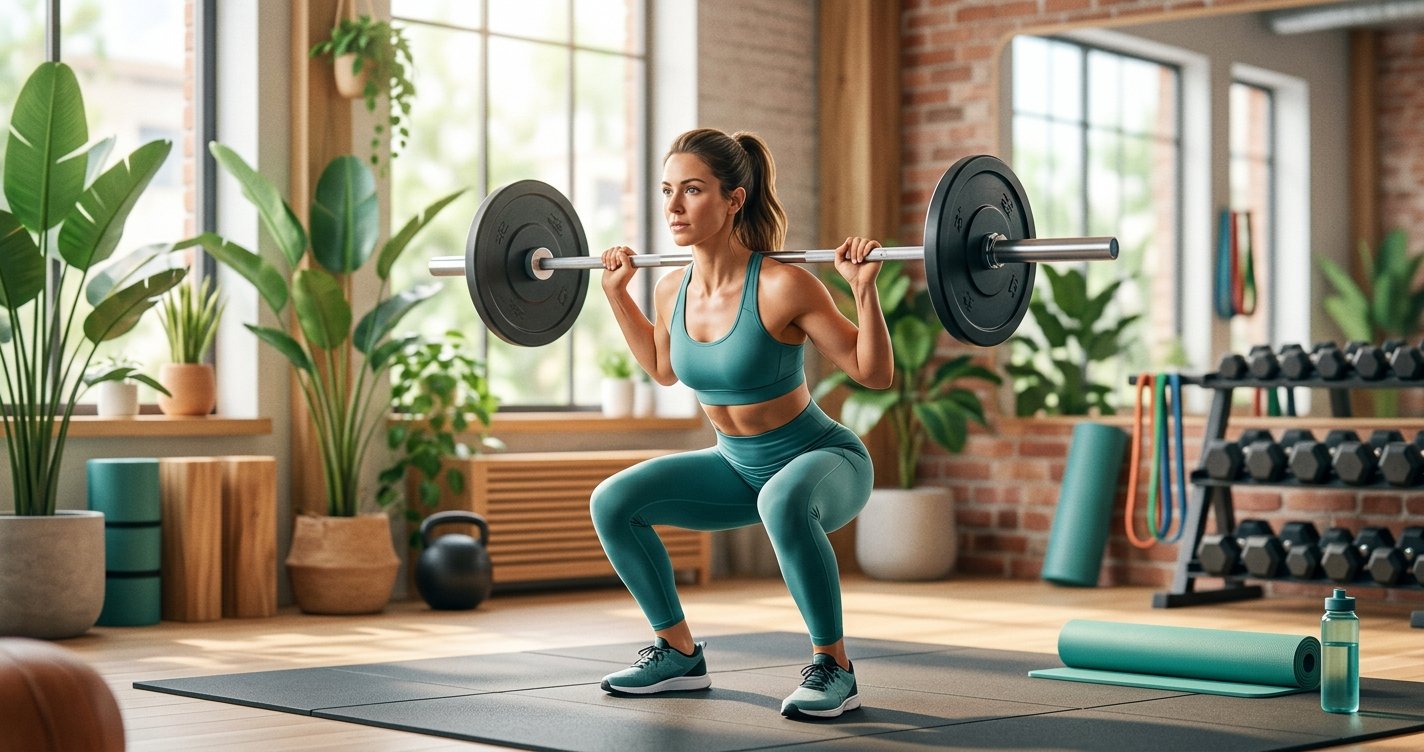
When you picture 'fat loss,' what comes to mind? For many, it's endless hours on the treadmill, sweating through cardio sessions, and meticulously counting every calorie. While cardio and nutrition play crucial roles, there's a powerful, often overlooked, and incredibly effective secret weapon for sustainable fat loss: strength training. It’s not just for bodybuilders or athletes; it’s for anyone who wants to transform their body, boost their metabolism, and feel strong, confident, and healthy.
If you're tired of the fat loss merry-go-round and ready for a strategy that builds a better you from the inside out, you've come to the right place. Let's dive into why lifting weights is your ultimate ally in the journey to a leaner, more resilient you, backed by science and delivered with a friendly, encouraging push! this excellent wellness product
Why Strength Training is Your Fat Loss Secret Weapon
Forget the myth that lifting weights will make you 'bulky.' Instead, embrace the truth: strength training is a metabolic powerhouse that sculpts your physique and supercharges your fat-burning potential. Here’s how it works its magic:
Boost Your Metabolism (The Afterburn Effect)
Unlike steady-state cardio, which primarily burns calories during the activity itself, strength training kickstarts an incredible phenomenon known as EPOC (Excess Post-exercise Oxygen Consumption), often called the 'afterburn effect.' After an intense lifting session, your body continues to burn calories at an elevated rate for hours, sometimes even days, as it works to repair muscle tissue and restore balance. Think of it as getting paid to work out long after you’ve left the gym!
Build Muscle, Burn More Fat at Rest
Muscle tissue is metabolically active – far more so than fat tissue. This means that the more muscle you have, the more calories your body burns at rest, simply to maintain that muscle. By consistently engaging in strength training, you're building a more efficient, fat-burning machine. Even when you're sleeping or watching TV, your hard-earned muscle is working quietly in the background, making your fat loss journey easier and more sustainable in the long run.
Shape Your Body, Not Just Shrink It
Cardio can help you lose weight, but it doesn't necessarily dictate where that weight comes from. You might lose both fat and muscle, potentially leaving you with a 'skinny-fat' appearance. Strength training, on the other hand, allows for body recomposition – simultaneously building muscle and losing fat. This results in a sculpted, toned physique that looks and feels strong, not just smaller. It's about shaping your body into the best version of itself.
Enhance Insulin Sensitivity and Overall Health
Beyond the aesthetic benefits, strength training significantly improves insulin sensitivity. Better insulin sensitivity means your body is more efficient at using glucose for energy, reducing the likelihood of it being stored as fat. This contributes to better blood sugar control, reduced risk of type 2 diabetes, and improved overall metabolic health, making you healthier from the inside out.
Getting Started: Your Strength Training Blueprint
Ready to pick up some weights? Here’s a simple, encouraging blueprint to help you begin your journey effectively and safely:
Choose Your Tools: Where to Begin
- Bodyweight: Perfect for beginners! Exercises like squats, push-ups (on knees or incline), lunges, and planks are fantastic starting points that require no equipment.
- Free Weights (Dumbbells, Barbells, Kettlebells): Offer excellent versatility and engage more stabilizing muscles. Start with lighter weights to master form.
- Resistance Bands: Portable and effective for adding resistance to bodyweight exercises or for specific muscle groups.
- Machines: Great for isolating muscles and providing support, which can be helpful for learning movements safely.
Frequency and Volume: How Often Should You Lift?
For optimal fat loss and muscle building, aim for 2-4 strength training sessions per week. This allows enough frequency to stimulate muscle growth while providing adequate time for recovery. A full-body routine performed 2-3 times a week is an excellent starting point for most people.
Essential Exercises for Fat Loss: Compound Movements are King
Focus on compound exercises that work multiple muscle groups simultaneously. These are the most efficient and effective for burning calories and building overall strength:
- Squats: Goblet squats, back squats, front squats.
- Deadlifts: Romanian deadlifts, conventional deadlifts (start light with expert guidance).
- Presses: Overhead press, bench press (dumbbell or barbell), push-ups.
- Rows: Bent-over rows, dumbbell rows, pull-ups (assisted if needed).
- Lunges: Forward lunges, reverse lunges, walking lunges.
Aim for 3-4 sets of 8-12 repetitions for most exercises, choosing a weight that challenges you by the last few reps while maintaining good form.
Progressive Overload: The Key to Continued Progress
To keep seeing results, you need to continually challenge your muscles. This is called progressive overload. It means gradually increasing the demands placed on your body over time. This could involve:
- Lifting heavier weights.
- Doing more repetitions with the same weight.
- Performing more sets.
- Reducing rest time between sets.
- Improving your exercise form.
Without progressive overload, your muscles won't have a reason to grow stronger or adapt, and your progress will plateau.
Beyond the Weights: Synergistic Strategies for Success
Strength training is incredibly powerful, but it works best when combined with other healthy habits. Think of these as the supporting cast for your fat loss journey:
Nutrition is Non-Negotiable
You can't out-train a poor diet. To lose fat, you generally need to be in a slight calorie deficit (consuming fewer calories than you burn). Prioritize:
- High Protein: Crucial for muscle repair and growth, and it keeps you feeling full. Aim for 0.7-1 gram of protein per pound of body weight.
- Whole Foods: Lean proteins, fruits, vegetables, whole grains, and healthy fats.
- Hydration: Drink plenty of water throughout the day.
Prioritize Recovery and Sleep
Your muscles don't grow in the gym; they grow and repair while you rest. Aim for 7-9 hours of quality sleep per night. Adequate rest also helps regulate hunger hormones and improves energy levels for your next workout.
Manage Stress
Chronic stress can elevate cortisol levels, which can hinder fat loss and even promote fat storage, especially around the midsection. Find healthy ways to manage stress, whether it's through meditation, yoga, hobbies, or spending time in nature.
Common Myths Debunked
Let's tackle a couple of common misconceptions that might be holding you back:
“Lifting Makes Women Bulky”
This is perhaps the biggest myth in fitness! Women generally lack the high levels of testosterone needed to build large amounts of muscle mass like men. Instead, strength training for women leads to a toned, strong, and lean physique. Embrace the power and confidence it brings!
“Cardio is Better for Fat Loss”
While cardio burns more calories during the actual workout, strength training provides a superior 'afterburn' effect and builds metabolically active muscle, leading to greater long-term fat loss potential. For optimal results, a combination of both is often recommended, but strength training should be your foundation for sustainable fat loss.
Listen to Your Body and Be Patient
Your fat loss journey is unique. There will be days you feel amazing and days you feel less motivated. Listen to your body, celebrate small victories, and remember that consistency trumps intensity. Sustainable fat loss is a marathon, not a sprint. Focus on progress, not perfection, and trust the process. The strength you build in the gym will extend far beyond your physical appearance, empowering you in every aspect of your life.