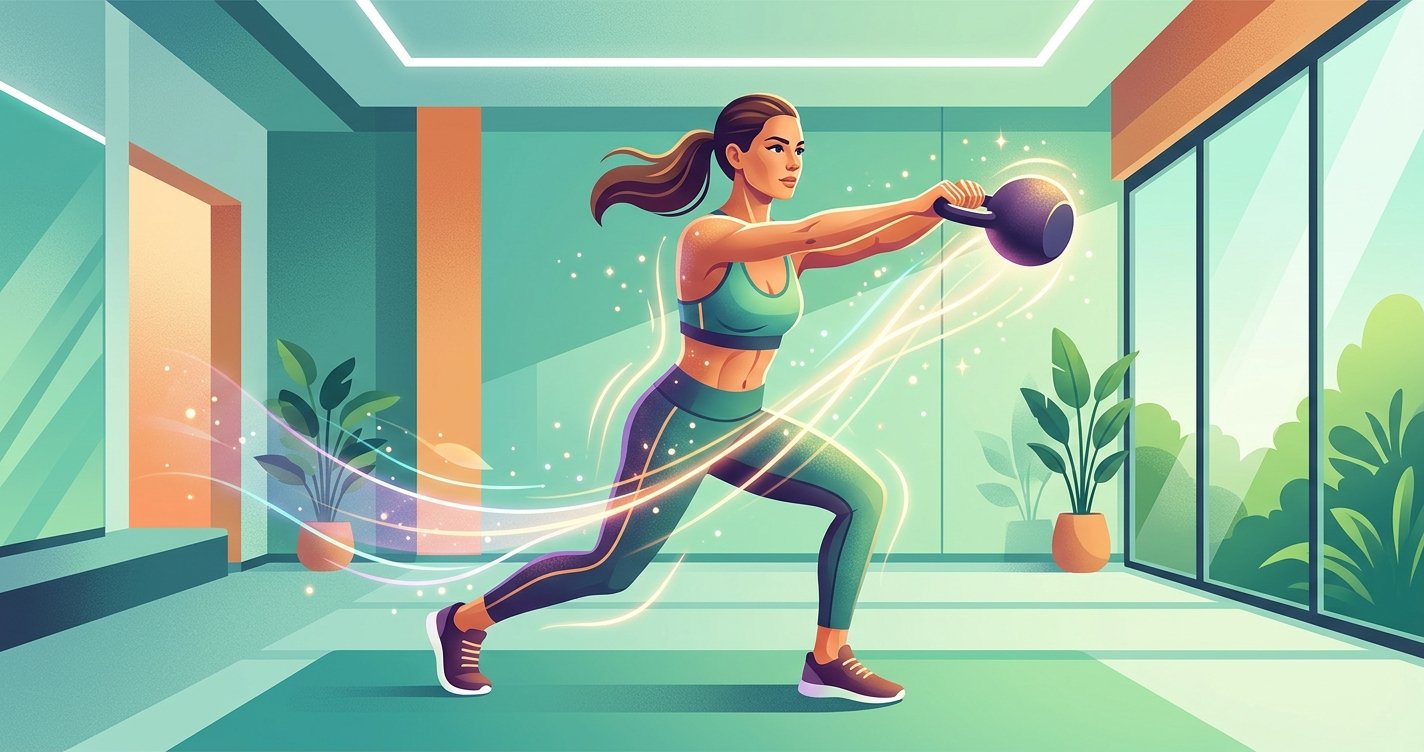
When you think about fat loss, what's the first thing that comes to mind? For many, it's endless hours on the treadmill, restrictive diets, or chasing the latest detox trend. But what if we told you there's a more effective, sustainable, and even empowering path to shedding unwanted fat and transforming your body? It's time to talk about the often-underestimated, yet incredibly powerful, role of strength training in your fat loss journey.
Forget the notion that lifting weights is just for bodybuilders or elite athletes. Strength training is a game-changer for everyone, regardless of age or fitness level, especially when your goal is long-term fat loss and a healthier, stronger you. We're not just talking about losing weight; we're talking about losing fat, building a more resilient physique, boosting your metabolism, and feeling fantastic from the inside out. Ready to discover your secret weapon? Let's dive in! this excellent wellness product
Why Strength Training is Your Secret Weapon for Fat Loss (Beyond the Scale)
While cardio certainly has its place, strength training offers unique benefits that directly target fat loss and overall body composition in ways steady-state cardio simply can't match. It's about working smarter, not just harder.
Boost Your Metabolism: The Afterburn Effect (EPOC)
Ever heard of the 'afterburn effect'? Scientifically known as Excess Post-exercise Oxygen Consumption (EPOC), this is where your body continues to burn calories at an elevated rate even after your workout is over. Strength training, particularly intense sessions, creates a significant EPOC, meaning your body works harder to recover, repair muscle tissue, and return to its resting state for hours post-workout. This translates to more calories burned throughout the day, long after you've left the gym.
Build Muscle, Burn More Fat: The Metabolic Advantage
Here's a crucial fact: muscle tissue is metabolically more active than fat tissue. This means that even at rest, a pound of muscle burns more calories than a pound of fat. By engaging in regular strength training, you build and preserve lean muscle mass. The more muscle you have, the higher your resting metabolic rate (RMR) becomes. A higher RMR means your body naturally burns more calories around the clock, making it easier to create the calorie deficit necessary for fat loss without extreme dietary restrictions.
Sculpt Your Body: Beyond Just Losing Weight
The scale can be a misleading friend. You might lose weight through diet alone, but often, a significant portion of that loss can be muscle. This can leave you feeling 'skinny fat' – lighter, but still lacking tone. Strength training, however, helps you retain and build muscle while shedding fat. This results in a more toned, defined, and sculpted physique. You might even find your clothes fit better and you look leaner, even if the number on the scale hasn't drastically changed. This is why focusing on body composition (the ratio of fat to muscle) is often more valuable than just weight.
Dispelling Common Myths: It's Not Just for Bodybuilders!
Many people, especially women, shy away from strength training due to misconceptions. Let's clear the air!
"I Don't Want to Get Bulky": Understanding Muscle Growth
This is perhaps the most common fear, particularly among women. Rest assured, getting 'bulky' takes an extreme amount of dedication, specific training protocols, and often, hormonal advantages that most people (especially women) don't naturally possess. Women have significantly less testosterone than men, making it much harder to build large amounts of muscle mass. What you will achieve is a lean, strong, and toned physique that enhances your natural curves, not overwhelms them.
Age is Just a Number: Benefits for Every Stage of Life
Strength training is beneficial at any age. For older adults, it's vital for maintaining bone density, preventing sarcopenia (age-related muscle loss), improving balance, and reducing the risk of falls. For younger individuals, it lays a foundation for lifelong health and fitness. It's never too late, or too early, to start incorporating resistance training into your routine.
Getting Started: Your Beginner's Guide to Resistance Training
Feeling inspired? Great! Here's how to safely and effectively begin your strength training journey.
Choosing Your Tools: Weights, Bands, Bodyweight
You don't need a fancy gym membership to start. You can achieve excellent results with:
- Bodyweight: Push-ups, squats, lunges, planks are fantastic foundational exercises.
- Resistance Bands: Affordable, portable, and offer varying levels of resistance for a full-body workout.
- Dumbbells/Kettlebells: A few sets of these can provide a versatile home gym.
- Gym Equipment: Machines offer stability, while free weights (barbells, dumbbells) challenge stabilizing muscles more.
Start with what's accessible and comfortable for you.
Form Over Everything: Preventing Injury and Maximizing Gains
Proper form is paramount. Poor form not only reduces the effectiveness of an exercise but significantly increases your risk of injury. If you're new, consider:
- Working with a certified personal trainer: Even a few sessions can teach you the basics and build confidence.
- Watching reputable online tutorials: Look for trainers demonstrating correct form for each exercise.
- Starting light: Use very light weights or just your body weight to master the movement pattern before adding resistance.
Progressive Overload: The Key to Continued Progress
To keep making progress, you need to continually challenge your muscles. This is called progressive overload. It means gradually increasing the demands on your body over time. This can be done by:
- Increasing weight: Lifting heavier.
- Increasing repetitions: Doing more reps with the same weight.
- Increasing sets: Doing more sets of an exercise.
- Decreasing rest time: Between sets.
- Improving technique: Making an exercise more challenging by perfecting form.
Don't jump too quickly; slow and steady progress is key.
Sample Beginner's Routine (Aim for 2-3 times per week):
- Warm-up: 5-10 minutes of light cardio and dynamic stretches.
- Squats: 3 sets of 10-12 repetitions (bodyweight or light dumbbells).
- Push-ups: 3 sets to failure (on knees or full body).
- Dumbbell Rows (or Bent-Over Rows): 3 sets of 10-12 repetitions.
- Lunges: 3 sets of 10-12 repetitions per leg.
- Plank: 3 sets, hold for 30-60 seconds.
- Cool-down: 5-10 minutes of static stretches.
Fueling Your Gains: Nutrition for Strength & Fat Loss
You can't out-train a poor diet. Nutrition is a critical partner to your strength training efforts for optimal fat loss and muscle building.
Protein Power: Why It's Crucial
Protein is the building block of muscle. When you strength train, you create tiny tears in your muscle fibers, which then repair and grow stronger with adequate protein intake. Aim for 0.7-1 gram of protein per pound of body weight per day, distributed across your meals. Good sources include lean meats, poultry, fish, eggs, dairy, legumes, and protein supplements.
Smart Carbs and Healthy Fats: Energy for Your Workouts
Carbohydrates provide the energy your body needs for intense workouts and replenish glycogen stores. Focus on complex carbohydrates like whole grains, fruits, and vegetables. Healthy fats are essential for hormone production and overall health. Incorporate sources like avocados, nuts, seeds, and olive oil in moderation.
Hydration: The Often-Overlooked Essential
Don't underestimate the power of water! Proper hydration is crucial for muscle function, nutrient transport, and overall metabolic processes. Drink plenty of water throughout the day, especially before, during, and after your workouts.
Integrating Strength Training into Your Lifestyle for Lasting Results
Sustainable fat loss isn't a quick fix; it's a journey of consistent effort and smart choices.
Consistency is King: Making it a Habit
The most effective workout is the one you actually do consistently. Find a routine that fits your schedule and preferences. Start with 2-3 strength training sessions per week and gradually increase as you get stronger and more confident. Treat your workouts like non-negotiable appointments.
Listen to Your Body: Rest and Recovery
Muscles don't grow in the gym; they grow during recovery. Adequate rest is just as important as the workout itself. Aim for 7-9 hours of quality sleep per night. Incorporate active recovery (light walks, stretching) on rest days, and don't be afraid to take a full rest day when your body needs it. Overtraining can lead to plateaus, injuries, and burnout.
Mindset Matters: Celebrating Non-Scale Victories
Shift your focus from solely the scale to the incredible progress you're making. Celebrate:
- Lifting heavier weights or doing more reps.
- Feeling stronger and more energetic.
- Improved mood and reduced stress.
- Clothes fitting better.
- Better posture and reduced aches.
- Increased confidence in your body's capabilities.
These 'non-scale victories' are powerful motivators and indicators of true progress.
Your Stronger, Leaner Future Awaits!
Embracing strength training as a core component of your fat loss strategy is one of the most effective and rewarding decisions you can make. It's not just about burning calories; it's about building a more efficient, resilient, and powerful body. It's about boosting your metabolism, sculpting your physique, and enhancing your overall health and well-being in ways that no fad diet or endless cardio session can. So, put down the scale for a moment, pick up those weights (or just your own body!), and embark on a journey to a stronger, leaner, and more confident you. Your body will thank you!