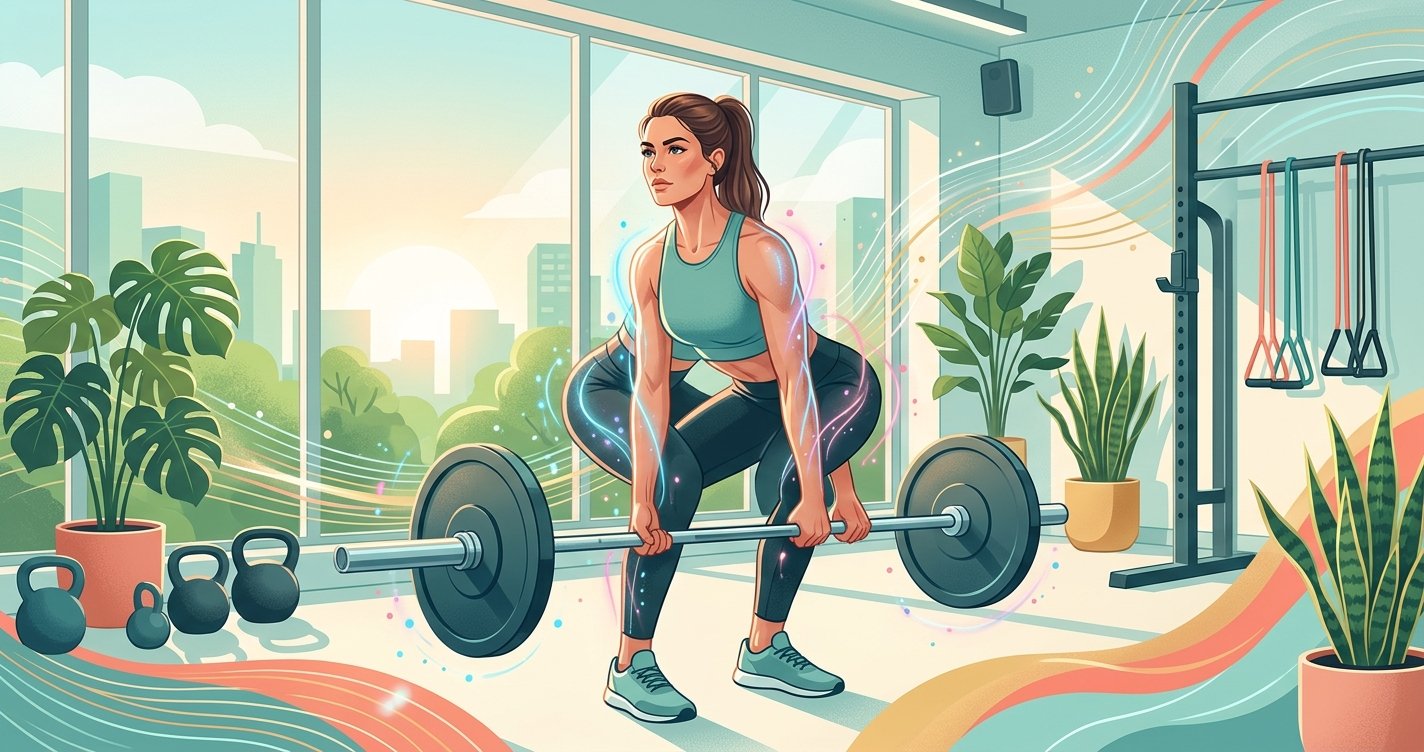
Hey there, future strong individual! Are you on a journey to shed unwanted fat and sculpt a body you feel confident in? If your current strategy mainly involves endless cardio sessions and strict diets, it’s time to unlock a powerful secret weapon that many overlook: strength training. While cardio has its place, lifting weights is often the missing piece of the puzzle for sustainable, long-term fat loss and a truly transformed physique.
Forget the myth that strength training is just for bodybuilders or that it'll make you 'bulky.' This isn't about becoming a competitive powerlifter (unless you want to!). It's about harnessing the incredible power of resistance to build a stronger, leaner, and more metabolically active you. In this comprehensive guide, we'll dive deep into why strength training is your ultimate ally for fat loss, how to get started, and how to fuel your progress for lasting results. Get ready to ditch the dread and embrace the weights! this excellent wellness product
Why Strength Training is Your Secret Weapon for Fat Loss
When most people think 'fat loss,' they immediately picture treadmills and elliptical machines. While burning calories through cardio is effective in the short term, strength training offers a unique set of benefits that directly target fat loss and body composition in ways cardio simply can't match.
It Boosts Your Metabolism (Even at Rest!)
This is perhaps the biggest game-changer. Muscle tissue is metabolically more active than fat tissue. This means that the more muscle you have, the more calories your body burns at rest, even when you're just sitting on the couch or sleeping! This elevated resting metabolic rate (RMR) is a continuous fat-burning furnace. Furthermore, after an intense strength training session, your body experiences a phenomenon called Excessive Post-exercise Oxygen Consumption (EPOC), often referred to as the 'afterburn effect.' Your body continues to burn calories at an elevated rate for hours (sometimes even days!) after your workout as it repairs and rebuilds muscle tissue. That's a fat-burning bonus that keeps on giving!
Preserves and Builds Muscle Mass
When you're trying to lose weight, especially through calorie restriction, there's always a risk of losing valuable muscle mass along with fat. This is detrimental because less muscle means a slower metabolism. Strength training signals to your body that this muscle is essential and needs to be maintained, or even built, even in a caloric deficit. By preserving muscle, you ensure that the weight you're losing is predominantly fat, leading to a leaner, more toned physique.
Improves Body Composition
True fat loss isn't just about the number on the scale; it's about changing your body composition – the ratio of fat to muscle. You might find that as you strength train, the scale doesn't drop as dramatically as you expect, but your clothes fit better, and you look leaner. This is because muscle is denser than fat. You're losing fat and building muscle, which is the ultimate goal for a strong, healthy body. Don't let the scale be your only measure of success!
Enhances Insulin Sensitivity and Overall Health
Beyond aesthetics, strength training has profound health benefits. It significantly improves insulin sensitivity, meaning your body becomes more efficient at utilizing glucose for energy instead of storing it as fat. This is crucial for preventing and managing conditions like type 2 diabetes. Additionally, it strengthens bones, improves joint health, reduces the risk of injury, and can even boost cardiovascular health.
Boosts Confidence and Mental Well-being
There's an undeniable sense of accomplishment and empowerment that comes with getting stronger. Lifting heavier weights, performing more reps, or mastering a new exercise builds incredible self-confidence. This mental boost can spill over into all areas of your life, making you feel more capable and resilient. Exercise, in general, is also a fantastic stress reliever and mood enhancer, thanks to the release of endorphins.
Getting Started: Your Strength Training Blueprint
Ready to pick up some weights? Great! Here’s a simple framework to help you begin your strength training journey effectively and safely.
How Often Should You Train?
For beginners, 2-3 full-body strength training sessions per week on non-consecutive days is an excellent starting point. This allows your muscles adequate time to recover and grow. As you progress, you might increase to 3-4 sessions, potentially splitting them into upper/lower body routines.
What Exercises Are Best?
Focus on compound movements – exercises that work multiple muscle groups and joints simultaneously. These are the most efficient and effective for building overall strength and muscle. Examples include:
- Squats: Works quads, glutes, hamstrings, core.
- Deadlifts: Works glutes, hamstrings, back, core.
- Bench Press (or Push-ups): Works chest, shoulders, triceps.
- Overhead Press: Works shoulders, triceps.
- Rows (Dumbbell or Barbell): Works back, biceps.
- Lunges: Works quads, glutes, hamstrings.
Start with bodyweight variations or very light weights to master your form before increasing the load.
Understanding Sets, Reps, and Progressive Overload
- Sets & Reps: For fat loss and muscle building, aim for 3-4 sets of 8-12 repetitions per exercise. Choose a weight that challenges you to complete the last 2-3 reps with good form.
- Progressive Overload: This is the fundamental principle of strength training. To keep getting stronger and building muscle, you must continually challenge your muscles more than they're accustomed to. This can be done by:
- Increasing the weight
- Doing more reps with the same weight
- Doing more sets
- Decreasing rest time between sets
- Improving your form and control
The Importance of Proper Form
Prioritize form over weight, always. Incorrect form can lead to injury and diminishes the effectiveness of the exercise. If you're unsure, watch reputable tutorial videos, consider hiring a certified personal trainer for a few sessions, or use mirrors to check your posture. It's better to lift lighter with perfect form than heavy with bad form.
Fueling Your Progress: Nutrition for Strength & Fat Loss
You can't out-train a bad diet. Nutrition plays a critical role in supporting your strength gains and maximizing fat loss. Think of food as fuel and building blocks for your body.
Prioritize Protein
Protein is essential for muscle repair and growth, and it's highly satiating, helping you feel full and reduce cravings. Aim for 0.7-1 gram of protein per pound of your target body weight daily. Include lean protein sources like chicken breast, fish, lean beef, eggs, Greek yogurt, and plant-based options like lentils, beans, and tofu in every meal.
Don't Fear Carbs (Strategic Intake)
Carbohydrates are your body's primary energy source, crucial for powering your workouts and recovery. Focus on complex carbohydrates like whole grains, oats, brown rice, sweet potatoes, and fruits. Timing your carb intake around your workouts can be beneficial for energy and replenishment.
Healthy Fats Are Your Friend
Healthy fats are vital for hormone production, nutrient absorption, and satiety. Include sources like avocados, nuts, seeds, olive oil, and fatty fish in moderation. They'll help keep you feeling satisfied and support overall health.
Create a Sustainable Caloric Deficit
To lose fat, you need to consume slightly fewer calories than your body burns. However, this deficit should be moderate and sustainable. A drastic cut will likely lead to muscle loss and make you feel sluggish. Aim for a deficit of 300-500 calories below your maintenance level. Focus on nutrient-dense foods that keep you full and energized.
Overcoming Common Myths and Misconceptions
Let's debunk some common myths that might be holding you back from embracing strength training.
“Strength Training Makes Women Bulky”
This is perhaps the most persistent myth! Women simply don't have the same levels of testosterone as men, which is the primary hormone responsible for significant muscle mass. Building the kind of 'bulk' you might see in female bodybuilders requires years of extremely specific training, diet, and often, supplementation that goes beyond natural limits. For the vast majority of women, strength training will lead to a lean, toned, and strong physique, not a bulky one.
“Cardio is Better for Fat Loss”
While cardio burns more calories *during* the exercise session, strength training's metabolic boost and muscle-preserving effects often make it superior for long-term fat loss and body recomposition. The best approach is often a combination: use strength training as your primary tool for body transformation, and incorporate cardio for cardiovascular health and an additional calorie burn if desired.
“I'm Too Old/Too Unfit to Start”
It's never too late to start! Strength training can be adapted for any age and fitness level. Begin with bodyweight exercises, use resistance bands, or light dumbbells. The key is to start where you are and progress gradually. Many older adults find strength training invaluable for maintaining independence, bone density, and quality of life. Always consult with a doctor before starting any new exercise program, especially if you have pre-existing health conditions.
Integrating Strength Training into Your Lifestyle
Making strength training a consistent part of your routine is key to seeing results. Here are some tips to help you stick with it.
Start Small, Be Consistent
Don't try to do too much too soon. Begin with 2-3 sessions a week, focusing on mastering basic movements. Consistency over perfection is the goal. A short, effective workout is always better than no workout at all.
Listen to Your Body
Pay attention to how your body feels. Some muscle soreness (DOMS) is normal, especially when starting, but sharp pain is a sign to stop. Ensure you're getting adequate sleep and nutrition for recovery. Rest days are just as important as training days.
Find a Workout Buddy or Coach
Having a friend to train with can provide motivation and accountability. If you're new to the gym, consider investing in a few sessions with a certified personal trainer. They can teach you proper form, create a personalized plan, and help you build confidence.
Celebrate Non-Scale Victories
While fat loss is a goal, also celebrate the other amazing benefits of strength training. Can you lift heavier? Do you have more energy? Are your clothes fitting better? Do you feel stronger and more confident? These non-scale victories are powerful indicators of progress and will keep you motivated.
Conclusion: Embrace the Strength Within You
Strength training is far more than just lifting heavy things; it's a transformative journey that empowers you to build a stronger body, boost your metabolism, and cultivate lasting confidence. By incorporating resistance training into your fat loss strategy, prioritizing protein, and maintaining a sustainable caloric deficit, you're not just losing weight – you're building a healthier, more resilient, and more vibrant version of yourself.
So, step away from the endless cardio, embrace the weights, and discover the incredible power within you. Your journey to sustainable fat loss and a truly transformed body starts now. You've got this!