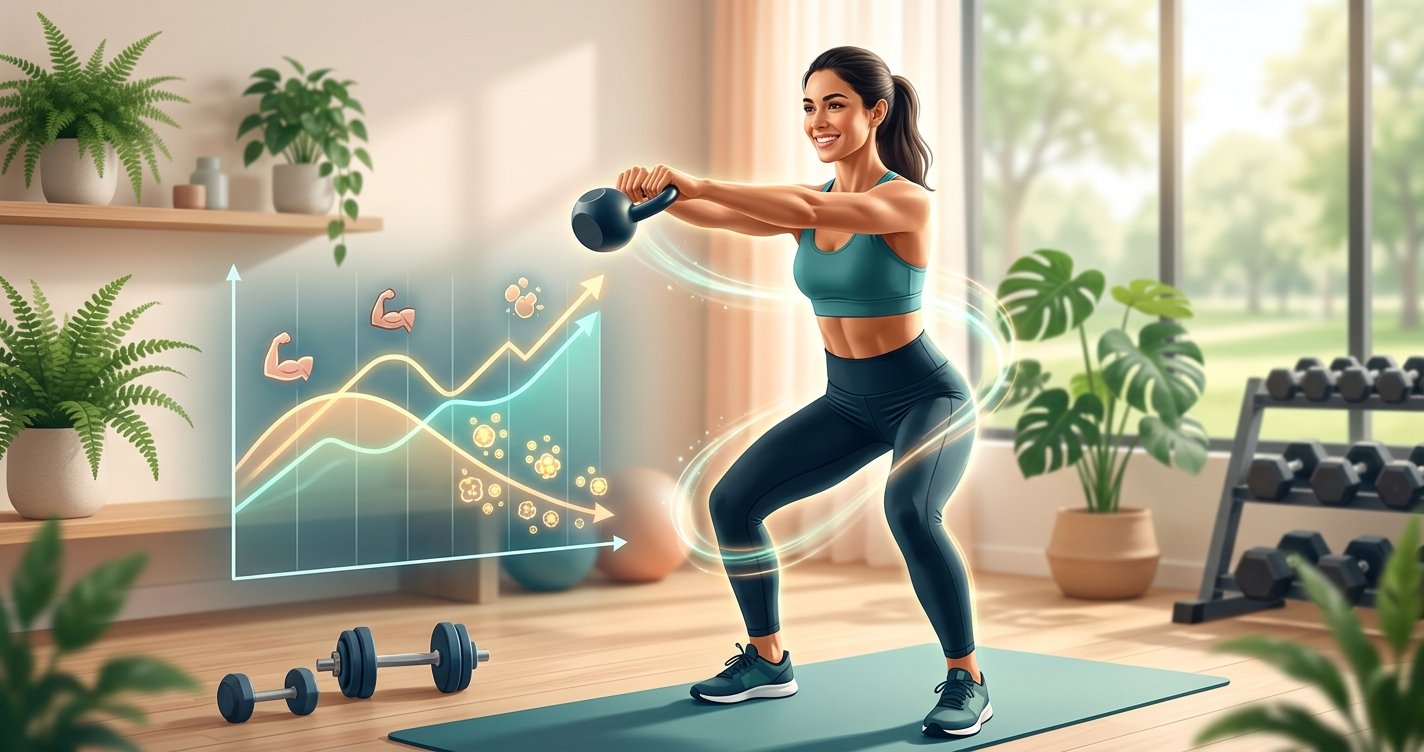
Introduction: Beyond the Treadmill – A New Path to Fat Loss
For decades, the conventional wisdom for fat loss revolved around endless hours of cardio. Run more, cycle more, sweat more – that was the mantra. While cardiovascular exercise certainly has its place in a healthy lifestyle, it often leaves many feeling frustrated when the scale stalls or their body composition doesn't quite transform as expected. What if there was a more efficient, more empowering, and ultimately more sustainable way to shed unwanted fat and sculpt the body you desire?
Enter strength training. Often misunderstood or relegated to the realm of bodybuilders, resistance training is arguably the most powerful tool in your fat loss arsenal. It's not just about building big muscles; it's about fundamentally changing how your body looks, feels, and burns calories, even when you're resting. This comprehensive guide will reveal the science-backed reasons why lifting weights is your secret weapon for sustainable fat loss, helping you move smarter, not just harder. this excellent wellness product
The Metabolic Advantage: Why Muscle Burns More Calories, 24/7
One of the biggest misconceptions about fat loss is that the only calories that count are those burned during your workout. While a vigorous cardio session can torch a significant number of calories in the moment, its metabolic impact often ends shortly after you cool down. Strength training, however, offers a powerful metabolic advantage that works for you around the clock.
The "Afterburn Effect" (EPOC)
When you engage in intense strength training, your body expends a significant amount of energy to recover and repair muscle fibers. This process is known as Excess Post-exercise Oxygen Consumption (EPOC), or the "afterburn effect." Unlike steady-state cardio, EPOC from resistance training can keep your metabolism elevated for up to 24-48 hours post-workout, meaning you continue to burn extra calories long after you've left the gym.
Muscle: Your Body's Calorie-Burning Engine
The most profound metabolic benefit of strength training comes from its ability to build and preserve muscle mass. Muscle tissue is metabolically active, meaning it requires more energy (calories) to maintain than fat tissue. Even a modest increase in muscle mass can significantly boost your Resting Metabolic Rate (RMR) – the number of calories your body burns at rest just to perform basic functions like breathing and circulation. This means that by building muscle, you're essentially turning your body into a more efficient, fat-burning machine, even when you're sleeping or sitting on the couch.
Sculpting Your Physique: Beyond Just Losing Weight
Focusing solely on the number on the scale can be incredibly misleading and demotivating during a fat loss journey. When you incorporate strength training, you're not just losing weight; you're actively improving your body composition – the ratio of fat to muscle in your body. This is where the magic truly happens.
Imagine two people who both weigh 150 pounds. One has a higher percentage of body fat, while the other has a higher percentage of muscle. The person with more muscle will look leaner, more toned, and often smaller in clothing size, despite weighing the same. Strength training allows you to:
- Improve Body Shape: By building muscle in specific areas, you can create a more desirable physique, enhancing curves or developing a more athletic build.
- Increase Firmness & Tone: Muscle beneath the skin gives your body a firmer, more 'toned' appearance, preventing the 'skinny fat' look that can sometimes result from diet-only weight loss.
- Reduce Inches: Even if the scale doesn't move dramatically, you'll often notice significant reductions in your waistline, hips, and other measurements as you replace fat with dense muscle.
This shift in body composition is a far more accurate and rewarding measure of progress than just weight alone, boosting confidence and motivation.
The Hormonal Edge: Optimizing Your Fat-Burning Environment
Strength training doesn't just work your muscles; it also sends powerful signals throughout your body, influencing your hormonal environment in ways that are highly conducive to fat loss. When you lift weights, your body releases several key hormones:
- Growth Hormone (GH): This hormone is crucial for muscle growth and fat metabolism. Strength training can significantly increase its release, helping your body tap into fat stores for energy.
- Testosterone: While often associated with men, women also produce testosterone, and optimal levels are vital for muscle building, strength, and fat loss in both genders. Resistance training is a natural way to support healthy testosterone levels.
- Insulin Sensitivity: Regular strength training can improve your body's sensitivity to insulin. This is critical because when your body is more insulin sensitive, it's better at utilizing glucose for energy and less likely to store it as fat.
By optimizing these hormonal responses, strength training creates an internal environment that is primed for fat burning and muscle preservation, making your fat loss efforts more effective and efficient.
Getting Started: Your Strength Training Blueprint
Feeling intimidated? Don't be! Starting a strength training routine is simpler than you might think, and you don't need to be a seasoned lifter to reap the benefits. Here’s a blueprint to get you started:
Frequency & Consistency
Aim for 2-4 strength training sessions per week. Consistency is more important than intensity initially. Give your muscles 24-48 hours to recover between sessions targeting the same muscle groups.
Focus on Compound Movements
Compound exercises work multiple muscle groups simultaneously, making them incredibly efficient for building strength and burning calories. Incorporate exercises like:
- Squats: Barbell, dumbbell, goblet, bodyweight.
- Deadlifts: Conventional, sumo, Romanian (start light and prioritize form).
- Presses: Overhead press, bench press (dumbbell or barbell), push-ups.
- Rows: Bent-over rows, dumbbell rows, pull-ups (assisted if needed).
- Lunges: Forward, reverse, walking.
Progressive Overload: The Key to Continued Progress
To keep building muscle and getting stronger, you need to continually challenge your muscles. This is called progressive overload. It can be achieved by:
- Increasing the weight you lift.
- Performing more repetitions with the same weight.
- Doing more sets.
- Reducing rest time between sets.
- Improving your form to make the exercise more effective.
Always prioritize proper form over lifting heavy weight to prevent injury.
Equipment Options
You don't need a fancy gym membership to start. Bodyweight exercises are excellent for beginners. As you progress, dumbbells, resistance bands, kettlebells, and barbells offer versatile options to increase resistance.
Fueling Your Gains: Nutrition & Recovery for Optimal Results
Strength training is only half the equation; what you do outside the gym is equally crucial for fat loss. Nutrition and recovery play pivotal roles in maximizing your results.
Prioritize Protein Intake
Protein is the building block of muscle. Consuming adequate protein (around 0.7-1 gram per pound of body weight) is essential for muscle repair and growth, especially when you're in a caloric deficit for fat loss. Protein also helps you feel fuller for longer, reducing cravings.
Maintain a Moderate Caloric Deficit
To lose fat, you still need to consume fewer calories than you burn. However, avoid drastic cuts. A moderate deficit (300-500 calories below maintenance) combined with strength training helps ensure you lose fat while preserving valuable muscle mass.
Hydration and Micronutrients
Drink plenty of water throughout the day. It's vital for metabolic processes, nutrient transport, and overall health. Ensure your diet is rich in whole, unprocessed foods to provide essential vitamins and minerals that support energy levels and recovery.
Embrace Rest and Sleep
Muscle growth and repair happen when you're resting, not when you're lifting. Aim for 7-9 hours of quality sleep each night. Incorporate rest days into your training schedule to allow your body to recover and adapt.
Overcoming Common Hurdles & Staying Motivated
Starting any new fitness journey comes with its challenges. Here are a few common hurdles and how to overcome them:
- Fear of "Bulking Up": This is a common concern, especially among women. Building significant muscle mass is extremely difficult and requires specific training, diet, and often hormonal advantages. Strength training will lead to a lean, toned physique, not an overly bulky one.
- Initial Muscle Soreness (DOMS): Delayed Onset Muscle Soreness is normal when you start. It will lessen over time. Gentle movement, stretching, and proper nutrition can help alleviate it.
- Plateaus: If your progress stalls, revisit progressive overload principles. Change up your exercises, increase intensity, or adjust your nutrition.
- Staying Motivated: Find a workout buddy, hire a coach, track your progress (photos, measurements, strength gains – not just the scale), and celebrate small victories. Remember your "why" and focus on how much better you feel.
Conclusion: Embrace the Strength Within for Lasting Fat Loss
It's time to shift your perspective on fat loss. While cardio offers cardiovascular benefits, strength training provides a transformative advantage for sustainable, long-term fat loss and body recomposition. By building muscle, you supercharge your metabolism, sculpt a stronger and more confident physique, and optimize your body's fat-burning potential.
Embrace the weights, trust the process, and watch as your body transforms in ways you never thought possible. This isn't just about losing weight; it's about gaining strength, confidence, and a healthier, more vibrant you. Start your strength training journey today and unlock the undeniable power within!