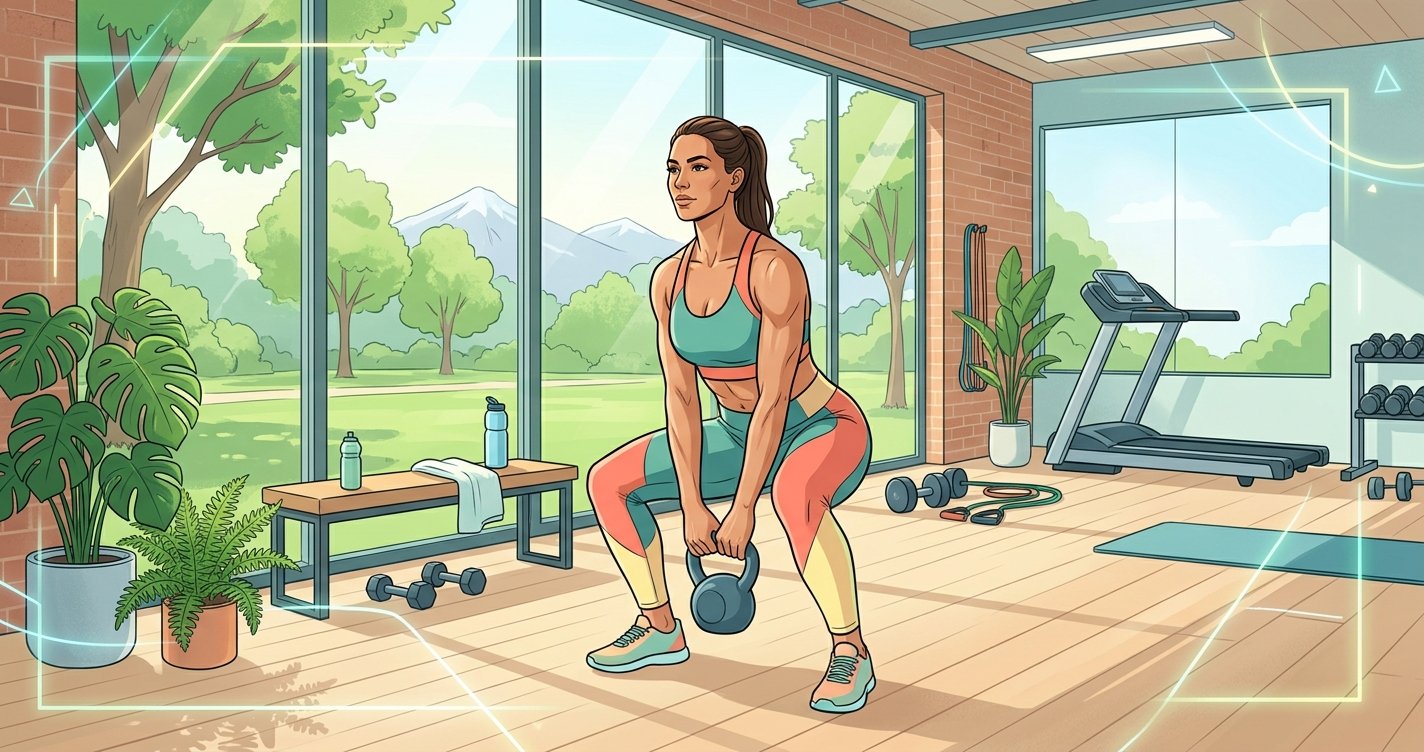
Tired of endless cardio and restrictive diets that promise quick fixes but deliver fleeting results? You're not alone. Many people get stuck in the cycle of chasing the scale, only to feel frustrated and defeated. But what if there was a more effective, sustainable, and even empowering way to achieve your fat loss goals and sculpt the body you desire?
Enter strength training. Often overlooked or misunderstood, especially by those new to fitness, lifting weights is not just for bodybuilders or athletes. It's a powerful, evidence-based tool that can revolutionize your fat loss journey, boost your metabolism, and help you build a stronger, healthier, and more confident you. Let's dive into why strength training is your ultimate secret weapon for sustainable fat loss. this excellent wellness product
Why Strength Training is Your Fat Loss Secret Weapon (Beyond Just Cardio)
For decades, cardio has been king in the fat loss world. While it certainly has its place for cardiovascular health and burning calories, it often falls short as the sole strategy for long-term, sustainable fat loss. Here's why strength training takes the crown:
- The Afterburn Effect (EPOC): Unlike cardio, which primarily burns calories during the activity itself, strength training kickstarts a phenomenon known as Excess Post-exercise Oxygen Consumption (EPOC). This means your body continues to burn calories at an elevated rate for hours, sometimes even days, after your workout as it repairs and rebuilds muscle tissue. Think of it as a metabolic bonus!
- Muscle is Metabolically Active: Muscle tissue burns more calories at rest than fat tissue. By building more muscle through strength training, you're essentially turning your body into a more efficient, calorie-burning machine 24/7, even when you're sleeping. This is a game-changer for long-term fat loss.
- Body Recomposition: The scale can be misleading. While cardio might help you lose weight, a significant portion could be muscle. Strength training, however, helps you preserve existing muscle and build new muscle while losing fat. This leads to body recomposition – a leaner, more toned physique, even if the number on the scale doesn't drastically change. You'll look and feel better, regardless of the number.
- Improved Insulin Sensitivity: Regular strength training can significantly improve your body's insulin sensitivity. This means your cells become more efficient at absorbing glucose (sugar) from your bloodstream, reducing the likelihood of it being stored as fat and helping to stabilize blood sugar levels.
The Science-Backed Benefits of Lifting for Leanness
The benefits of strength training for fat loss are deeply rooted in physiological science:
- Boosted Basal Metabolic Rate (BMR): As mentioned, muscle tissue is more metabolically demanding than fat. For every pound of muscle you gain, your BMR increases, meaning you burn more calories just by existing. Over time, this cumulative effect makes a significant difference in maintaining a calorie deficit.
- Hormonal Optimization: Strength training can positively influence key hormones related to fat loss and muscle growth, such as growth hormone and testosterone (yes, women produce it too, and it’s crucial!). These hormones play vital roles in metabolism, fat utilization, and muscle repair.
- Enhanced Fat Oxidation: Studies show that regular resistance training can increase your body's ability to oxidize (burn) fat for fuel, both during and after exercise. This is particularly beneficial when combined with a well-structured nutrition plan.
- Increased Strength and Functional Capacity: Beyond aesthetics, strength training makes you stronger and more capable in everyday life. Lifting groceries, playing with kids, or tackling a challenging hike all become easier and more enjoyable. This improved functional strength contributes to a better quality of life and encourages continued physical activity.
Building Your Strength Training Program for Fat Loss
Ready to start lifting? Here's how to build an effective program:
- Frequency: Aim for 3-4 full-body strength training sessions per week. This allows for adequate muscle stimulus and recovery.
- Compound Movements are King: Prioritize exercises that work multiple muscle groups simultaneously. Think squats, deadlifts, bench presses, overhead presses, rows, and lunges. These are the most efficient for building muscle and burning calories.
- Progressive Overload: This is the cornerstone of strength training. To keep getting stronger and building muscle, you need to continually challenge your muscles. This means gradually increasing the weight, reps, sets, or decreasing rest time over time. Don't be afraid to lift heavy (safely!).
- Rep Ranges: For muscle growth (hypertrophy), aim for 3-4 sets of 8-12 repetitions per exercise. For strength, you might go heavier with fewer reps (e.g., 5-8 reps).
- Structure Your Workouts:
- Warm-up (5-10 minutes): Light cardio and dynamic stretches.
- Main Lifts: 3-5 compound exercises.
- Accessory Lifts: 2-3 isolation exercises (e.g., bicep curls, tricep extensions, calf raises) to target specific muscles.
- Cool-down (5-10 minutes): Static stretches.
Fueling Your Progress: Nutrition for Strength & Fat Loss
You can't out-train a poor diet. Nutrition is paramount for fat loss, especially when strength training:
- Calorie Deficit is Key: To lose fat, you must consume fewer calories than you burn. Aim for a moderate deficit (250-500 calories below maintenance) to preserve muscle mass while losing fat. Too aggressive a deficit can lead to muscle loss and metabolic slowdown.
- Prioritize Protein: Protein is crucial for muscle repair, growth, and satiety. Aim for 0.7-1 gram of protein per pound of body weight daily. Good sources include lean meats, poultry, fish, eggs, dairy, and plant-based options like legumes and tofu.
- Don't Fear Carbs: Carbohydrates provide the energy needed for intense workouts and aid in muscle recovery. Focus on complex carbohydrates like whole grains, fruits, and vegetables. Timing some carbs around your workouts can be beneficial.
- Healthy Fats: Essential for hormone production and overall health, healthy fats (avocado, nuts, seeds, olive oil) also contribute to satiety. Keep intake moderate, as fats are calorie-dense.
- Hydration: Drink plenty of water throughout the day. It's vital for metabolic function, nutrient transport, and performance.
Mindset, Consistency, and Overcoming Plateaus
Sustainable fat loss isn't just about the physical; it's also about the mental game:
- Patience and Consistency: Results don't happen overnight. Be patient with yourself and stay consistent with your training and nutrition. Small, consistent efforts compound over time.
- Track Your Progress: Don't just rely on the scale. Take progress photos, measure body circumference (waist, hips, arms), and track your strength gains (how much weight you lift for how many reps). These non-scale victories are incredibly motivating.
- Prioritize Sleep and Stress Management: Poor sleep and high stress can disrupt hormones that regulate appetite and fat storage, making fat loss harder. Aim for 7-9 hours of quality sleep and incorporate stress-reducing practices like meditation or walks in nature.
- Embrace the Journey: Fat loss is a journey, not a destination. There will be ups and downs. Learn from setbacks, adjust your approach when hitting plateaus, and celebrate every small victory.
- Seek Guidance: If you're unsure where to start or feel stuck, consider working with a certified personal trainer or nutritionist. They can provide personalized plans and guidance.
Ready to Transform?
Ditching the 'more cardio, less food' mentality and embracing strength training is one of the most powerful shifts you can make for sustainable fat loss and overall well-being. It's not just about looking good; it's about building a strong, resilient, and capable body that serves you well for years to come.
So, step away from the endless treadmill, pick up those weights, and start building the lean, strong, and confident version of yourself. Your body and mind will thank you!