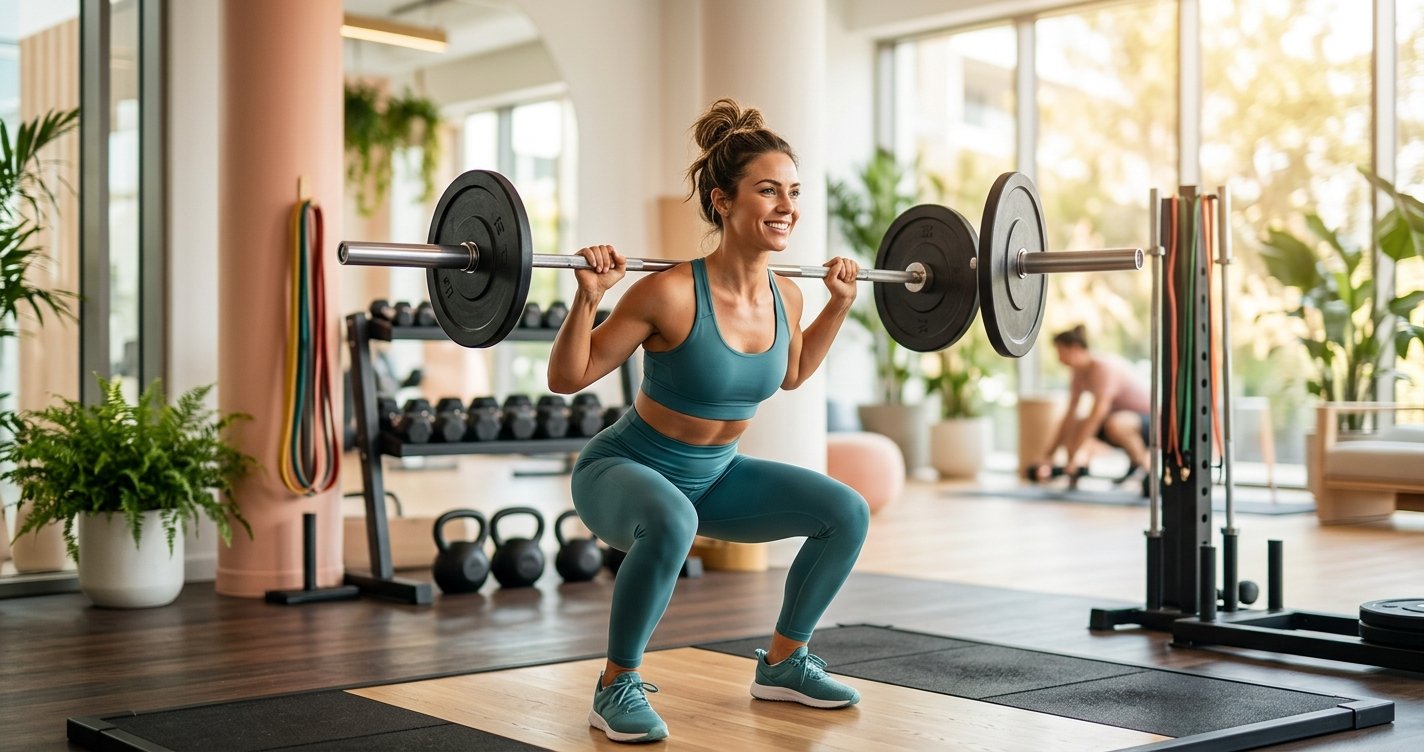
When you picture 'fat loss,' what comes to mind? For many, it's endless hours on the treadmill, restrictive diets, or chasing ever-lower numbers on the scale. While cardio and nutrition play crucial roles, there's a powerful, often overlooked, and incredibly effective strategy that can truly transform your body and boost your metabolism: strength training. It’s not just for bodybuilders or athletes; it’s for anyone looking for sustainable, long-term fat loss, a stronger body, and a healthier life. Let's dive into why lifting weights is your secret weapon in the battle against fat, backed by science, and presented in a friendly, encouraging way.
Why Strength Training Trumps Cardio Alone for Fat Loss
Cardio is fantastic for heart health and burning calories during your workout. But when it comes to sustainable, long-term fat loss and body composition changes, strength training offers unique advantages. Think of it this way: cardio burns calories *while* you do it. Strength training, on the other hand, builds muscle, and muscle is metabolically active tissue that burns calories *24/7*, even when you're resting! this excellent wellness product
The Afterburn Effect (EPOC)
One of the coolest benefits of strength training is the 'afterburn effect,' scientifically known as Excess Post-exercise Oxygen Consumption (EPOC). After an intense lifting session, your body continues to burn calories at an elevated rate for hours, sometimes even a full day, as it recovers and repairs muscle tissue. This doesn't happen to the same extent with steady-state cardio. So, you're literally burning fat while you're sitting on the couch after a good lifting session!
The Science Behind Muscle and Metabolism
Our Basal Metabolic Rate (BMR) is the number of calories our body burns just to perform basic functions like breathing, circulation, and cell production. The more muscle mass you have, the higher your BMR. This means your body naturally becomes a more efficient fat-burning machine. When you lose weight solely through diet without strength training, you often lose both fat and muscle. Losing muscle actually slows down your metabolism, making it harder to keep the weight off in the long run. Strength training helps you preserve and build muscle while losing fat, ensuring your metabolism stays revved up.
Hormonal Harmony
Beyond calorie burn, strength training positively influences key hormones related to fat loss. It can improve insulin sensitivity, meaning your body becomes more efficient at handling carbohydrates and less likely to store them as fat. It also boosts the production of growth hormone and testosterone (in both men and women, without making women 'bulky'), which are crucial for muscle growth and fat metabolism.
Building Your Strength Training Routine for Fat Loss
Ready to pick up some weights? Here’s how to structure your routine for maximum fat loss and muscle gain:
Frequency is Key
Aim for 2-4 strength training sessions per week. This allows enough frequency to stimulate muscle growth and enough rest for recovery. Consistency is far more important than intensity in the beginning.
Embrace Compound Movements
Compound exercises work multiple muscle groups and joints simultaneously, making them incredibly efficient for calorie burning and muscle building. They are the backbone of any effective strength program. Focus on:
- Squats: Front, back, goblet – fantastic for legs and core.
- Deadlifts: Conventional, sumo, Romanian – a full-body powerhouse.
- Bench Press: Flat, incline – great for chest, shoulders, and triceps.
- Overhead Press: Shoulders and triceps.
- Rows: Barbell, dumbbell, cable – essential for back and biceps.
- Lunges: Forward, reverse, walking – unilateral leg strength.
Progressive Overload: The Secret Sauce
To keep building muscle and getting stronger, you need to continually challenge your muscles. This is called progressive overload. It means gradually increasing the demands on your body over time. This could be:
- Lifting heavier weights.
- Doing more repetitions with the same weight.
- Performing more sets.
- Decreasing rest time between sets.
- Improving your form and control.
Without progressive overload, your muscles won't have a reason to grow stronger, and your fat loss progress might stall.
Structure Your Workouts
A typical session might look like this:
- Warm-up (5-10 minutes): Light cardio, dynamic stretches.
- Main Lifts (30-45 minutes): 3-5 compound exercises, 3-4 sets of 6-12 repetitions each.
- Accessory Lifts (10-15 minutes): 2-3 isolation exercises (e.g., bicep curls, tricep extensions, calf raises) for 2-3 sets of 10-15 repetitions.
- Cool-down (5 minutes): Static stretches.
Fueling Your Progress: Nutrition's Role
Strength training and nutrition are a team. You can't out-train a poor diet, and you won't maximize your muscle-building potential without proper fuel.
Protein Power
Protein is crucial for muscle repair and growth. Aim for 0.7-1 gram of protein per pound of body weight daily. Think lean meats, poultry, fish, eggs, dairy, legumes, and protein supplements.
Calorie Deficit, Smartly Applied
To lose fat, you still need to consume slightly fewer calories than you burn (a calorie deficit). However, make it a moderate deficit (around 300-500 calories below maintenance) to preserve muscle and ensure you have enough energy for your workouts. Extreme restriction can hinder muscle growth and slow your metabolism.
Hydration and Micronutrients
Don't forget water! Staying well-hydrated is essential for performance and recovery. Also, ensure you're getting a variety of fruits, vegetables, and whole grains for essential vitamins, minerals, and fiber.
Beyond the Scale: Celebrating Non-Scale Victories
While the number on the scale might fluctuate (muscle weighs more than fat by volume, so you might even see the scale go up as you recomp your body!), strength training offers incredible benefits that go far beyond weight:
- Increased Strength: Everyday tasks become easier, and you'll feel more capable.
- Improved Body Composition: You'll look leaner, firmer, and more toned, even if your weight stays the same.
- Boosted Confidence: There's an undeniable feeling of empowerment that comes with getting stronger.
- Better Bone Density: Lifting weights is one of the best ways to combat osteoporosis.
- Enhanced Mood & Reduced Stress: Exercise, especially strength training, releases endorphins and can be a fantastic stress reliever.
- Improved Sleep Quality: Regular exercise can lead to deeper, more restorative sleep.
- Reduced Risk of Chronic Diseases: Better blood sugar control, improved cardiovascular health, and reduced inflammation.
Busting Common Strength Training Myths
Let's clear up some common misconceptions that might be holding you back:
Myth #1: "Lifting Makes Women Bulky"
This is perhaps the biggest myth! Women generally lack the high levels of testosterone needed to build significant muscle mass without extreme training and dietary interventions. Strength training will help you achieve a lean, toned, and strong physique, not a bulky one. Embrace the strength!
Myth #2: "Cardio is Better for Fat Loss"
As we've discussed, cardio is great, but strength training offers unique metabolic advantages that make it superior for sustainable fat loss, body recomposition, and long-term health benefits.
Myth #3: "You Need to Spend Hours in the Gym"
Not at all! Effective strength training sessions can be as short as 30-45 minutes if you focus on compound movements and maintain intensity. Consistency and proper form are more important than marathon sessions.
Putting It All Together: Your Sustainable Fat Loss Journey
Embarking on a strength training journey for fat loss is one of the most empowering decisions you can make for your health and physique. It's about building a stronger, more resilient you, both inside and out. Remember, this isn't a quick fix; it's a sustainable lifestyle change that offers incredible rewards.
Start small, focus on proper form, and gradually challenge yourself. Don't be afraid to ask for help from a qualified trainer if you're new to lifting. Be patient with the process, celebrate your non-scale victories, and enjoy the incredible feeling of getting stronger every day. Your body will thank you for it, and you'll discover a more confident, energetic, and lean version of yourself that's built to last.