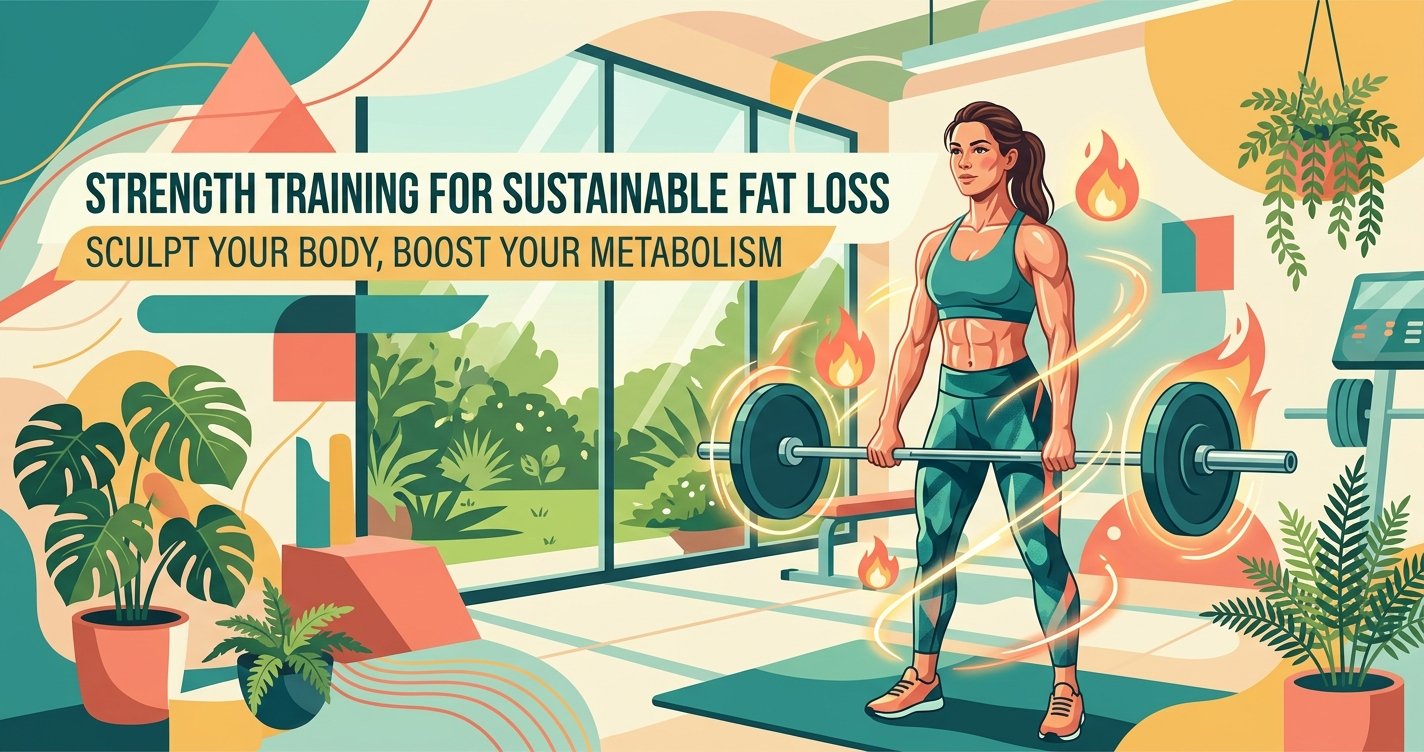
Are you tired of the endless cycle of restrictive diets and grueling cardio sessions that promise quick fat loss but deliver fleeting results? Many people believe that hours on the treadmill or drastic calorie cuts are the only paths to a leaner physique. But what if there was a more effective, sustainable, and even empowering way to shed fat, build a stronger body, and boost your metabolism for the long haul?
Enter strength training. Often overlooked or misunderstood, lifting weights isn't just for bodybuilders or athletes. It's a powerful tool for anyone looking to transform their body, enhance their health, and achieve lasting fat loss. This isn't about becoming bulky; it's about becoming stronger, healthier, and more confident in your own skin. Let's dive into why strength training is your ultimate ally in the journey to sustainable fat loss. this excellent wellness product
Why Strength Training is Your Ultimate Fat Loss Ally
While cardio certainly has its place for cardiovascular health, it's not the most efficient or sustainable method for significant fat loss, especially when compared to strength training. Here's why lifting weights gives you a distinct advantage:
The Metabolic Powerhouse: Burn More, Even at Rest
One of the most compelling reasons to embrace strength training is its profound impact on your metabolism. Unlike cardio, which primarily burns calories during the activity itself, strength training provides a lasting metabolic boost. This happens in two key ways:
- EPOC (Excess Post-exercise Oxygen Consumption): Often called the 'afterburn' effect, EPOC refers to the increased oxygen uptake your body experiences after a strenuous workout to help restore it to its pre-exercise state. This process requires energy, meaning you continue to burn calories at an elevated rate for hours, sometimes even a full day, after your strength training session ends.
- Increased Resting Metabolic Rate (RMR): Muscle tissue is metabolically much more active than fat tissue. This means that the more muscle mass you have, the more calories your body burns simply to maintain its basic functions, even when you're resting, sleeping, or watching TV. Building muscle through strength training is like upgrading your body's internal engine to be more efficient at burning fuel 24/7. Research consistently shows that a higher RMR directly contributes to easier and more sustainable fat management.
Sculpting Your Body: Muscle for Definition and Strength
Fat loss isn't just about the number on the scale; it's about changing your body composition – reducing fat and increasing muscle. Strength training excels at this. As you build muscle, your body begins to take on a more toned, defined, and aesthetically pleasing shape. You'll notice improvements in how your clothes fit, how your posture improves, and how much stronger you feel in everyday activities.
This process, known as body recomposition, can sometimes mean the scale doesn't drop dramatically, even as your body transforms. Don't let the scale mislead you! A pound of muscle takes up less space than a pound of fat, so you might be getting smaller and leaner without significant weight loss. Focusing on strength gains and how your clothes fit is often a more accurate measure of progress.
Crafting Your Strength Training Routine for Fat Loss
Ready to pick up some weights? You don't need to be a seasoned lifter to start. Here's a blueprint to get you going:
Starting Strong: Frequency, Form, and Fundamentals
For beginners, aiming for 2-3 full-body strength training sessions per week is an excellent starting point. This frequency allows for adequate muscle stimulation and sufficient recovery time. Focus intensely on learning proper form for each exercise. Watch videos, hire a trainer for a few sessions, or start with lighter weights to master the movement patterns. Good form not only prevents injury but also ensures you're effectively targeting the intended muscles.
Embracing Progressive Overload: The Secret to Continuous Progress
The principle of progressive overload is fundamental to muscle growth and strength gains. It means gradually increasing the demands placed on your muscles over time. This can be achieved by:
- Increasing the weight you lift.
- Performing more repetitions with the same weight.
- Doing more sets of an exercise.
- Decreasing rest time between sets.
- Improving your form and control.
Without progressive overload, your muscles won't have a reason to adapt and grow stronger. Continuously challenging yourself (safely!) is what drives long-term results.
Compound Movements: Your Best Bang for Your Buck
When designing your routine, prioritize compound exercises. These movements engage multiple joints and muscle groups simultaneously, making them incredibly efficient for building overall strength and burning calories. Examples include:
- Squats: Works glutes, quads, hamstrings, core.
- Deadlifts: Engages almost every muscle in your body, especially glutes, hamstrings, back, and core.
- Bench Press (or Push-ups): Targets chest, shoulders, triceps.
- Overhead Press: Strengthens shoulders, triceps, upper back.
- Rows: Works back, biceps, shoulders.
These foundational exercises should form the core of your program, supplemented by isolation exercises if desired for specific muscle development.
Fueling Your Success: Nutrition for Lean Muscle and Fat Loss
You can't out-train a poor diet. Nutrition plays an equally crucial role in your fat loss journey, especially when you're strength training. Think of food as fuel for your workouts and building blocks for your muscles.
Protein: Your Primary Building Block
Protein is paramount for muscle repair and growth. When you strength train, you create tiny tears in your muscle fibers, and protein provides the amino acids needed to repair and rebuild them stronger. Adequate protein intake also helps with satiety, keeping you feeling fuller for longer and reducing cravings. Aim for around 1.6 to 2.2 grams of protein per kilogram of body weight per day, distributed across your meals. Excellent sources include lean meats, poultry, fish, eggs, dairy, legumes, and protein supplements.
Smart Carbs and Healthy Fats: Energy and Essential Nutrients
Don't fall into the trap of demonizing carbohydrates or fats. Both are essential for optimal health and performance:
- Carbohydrates: These are your body's primary energy source, especially for high-intensity activities like strength training. Opt for complex carbohydrates like whole grains, fruits, and vegetables to fuel your workouts and replenish glycogen stores.
- Healthy Fats: Crucial for hormone production, nutrient absorption, and overall health. Incorporate sources like avocados, nuts, seeds, olive oil, and fatty fish into your diet.
Focus on whole, unprocessed foods, and ensure your total calorie intake supports your fat loss goals without being overly restrictive. A slight calorie deficit is usually necessary for fat loss, but it should be sustainable and allow for adequate energy for your training.
Beyond the Gym: Mindset, Recovery, and Sustainability
Sustainable fat loss is about more than just workouts and macros; it's about cultivating a healthy lifestyle and mindset.
Patience and Persistence: Trusting the Process
Fat loss, especially when building muscle, is a marathon, not a sprint. There will be plateaus, days you feel less motivated, and times when progress seems slow. Embrace patience, trust the process, and stay consistent. Celebrate small victories and understand that true, lasting change takes time and dedication. Avoid comparing your journey to others; focus on your own progress.
Prioritizing Recovery: Sleep, Stress, and Rest Days
Your muscles don't grow in the gym; they grow and repair during recovery. Adequate sleep (7-9 hours per night) is non-negotiable for muscle repair, hormone regulation, and overall well-being. Chronic stress can also hinder fat loss by increasing cortisol levels, so finding healthy ways to manage stress is crucial. Incorporate active recovery (light walks, stretching) and dedicated rest days into your routine to allow your body to rebuild and come back stronger.
Celebrating Non-Scale Victories: The True Measures of Success
While the scale might be a data point, it rarely tells the whole story. Shift your focus to non-scale victories (NSVs) that truly reflect your progress and improved health:
- Increased strength (lifting heavier, doing more reps).
- Improved energy levels and mood.
- Clothes fitting better or dropping a size.
- Better posture and reduced aches.
- Increased confidence and self-esteem.
- Improved sleep quality.
These NSVs are powerful motivators and remind you of the profound positive impact strength training has on your life.
Embrace the Power of Strength Training
Strength training offers a powerful, sustainable, and incredibly rewarding path to fat loss. It's not just about shedding pounds; it's about building a stronger, healthier, and more resilient you. By combining consistent strength training with smart nutrition, prioritizing recovery, and cultivating a patient mindset, you'll unlock your body's full potential. So, step away from the endless cardio, pick up those weights, and start sculpting the body you've always wanted. Your journey to sustainable fat loss and a stronger self begins now!