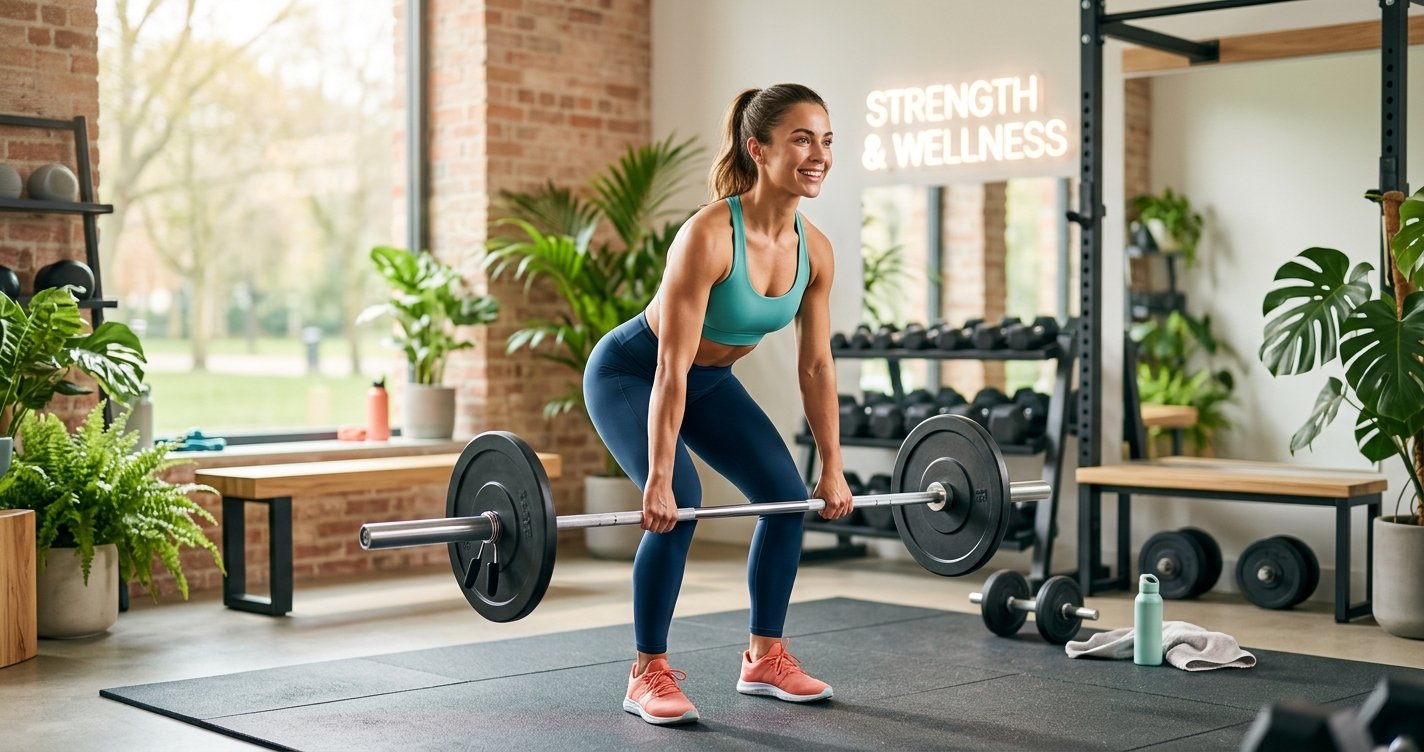
When you picture 'fat loss,' what comes to mind? For many, it's endless hours on the treadmill, restrictive diets, or chasing the lowest number on the scale. But what if we told you there's a powerful, often overlooked tool that can transform your body, boost your metabolism, and help you achieve sustainable fat loss far beyond what cardio alone can offer? Enter strength training.
It’s time to challenge the old myths and embrace a new, more effective approach. This isn't just about building bulky muscles; it's about sculpting a stronger, healthier, and more metabolically efficient you. In this comprehensive guide, we'll dive deep into why lifting weights is your secret weapon for fat loss, backed by science, and how you can integrate it into your routine for lasting results. Get ready to ditch the dread and discover the joy and power of becoming stronger! this excellent wellness product
Beyond the Scale: Why Muscle Matters for Fat Loss
Let's be clear: there's a significant difference between 'weight loss' and 'fat loss.' Weight loss often includes losing valuable muscle mass along with fat, which can leave you 'skinny fat' and slow down your metabolism. Fat loss, on the other hand, focuses on shedding unwanted body fat while preserving or even building muscle. This is where strength training shines.
Your body is a remarkable machine, and muscle tissue is its high-performance engine. Here’s why it’s so crucial:
- Metabolic Advantage: Muscle tissue is metabolically active, meaning it burns more calories at rest compared to fat tissue. The more muscle you have, the higher your basal metabolic rate (BMR) – the number of calories your body burns just to exist. This means you're burning more calories 24/7, even when you're sleeping!
- Body Recomposition: Strength training allows for body recomposition, which is the process of simultaneously losing fat and building muscle. This can lead to incredible changes in your body shape and firmness, even if the number on the scale doesn't dramatically change. You might weigh the same but look and feel significantly leaner and more toned.
- Improved Body Shape & Confidence: Building muscle helps create a more defined physique. Strong glutes, toned arms, and a defined back not only look great but also contribute to better posture and a powerful sense of self-confidence. You'll move better, feel stronger, and carry yourself with a newfound poise.
The Science Behind Strength Training and Fat Burning
The benefits of lifting go far beyond the immediate calorie burn during your workout. The real magic happens afterwards and in the long term.
The "Afterburn Effect" (EPOC)
Ever felt particularly tired or warm hours after a tough workout? That's likely the Excess Post-exercise Oxygen Consumption (EPOC), often called the "afterburn effect." When you engage in intense strength training, your body uses more oxygen to recover, repair muscle tissue, and restore various physiological processes. This increased oxygen consumption means your metabolism stays elevated for up to 24-48 hours post-workout, continuing to burn extra calories even when you're resting or sleeping. This effect is significantly greater with strength training compared to steady-state cardio.
Hormonal Benefits
Strength training positively influences key hormones related to fat loss and muscle growth:
- Growth Hormone: Intense resistance training stimulates the release of growth hormone, which plays a vital role in fat metabolism and muscle repair.
- Testosterone: While often associated with men, both men and women produce testosterone. Strength training can boost natural testosterone levels, aiding in muscle building and fat reduction for both genders.
- Insulin Sensitivity: Regular strength training can improve insulin sensitivity, meaning your body becomes more efficient at using glucose for energy and less likely to store it as fat. This is especially beneficial for managing blood sugar and reducing the risk of type 2 diabetes.
Preserving Muscle During a Calorie Deficit
To lose fat, you generally need to be in a calorie deficit (consuming fewer calories than you burn). However, without strength training, a calorie deficit can lead to muscle loss alongside fat loss. Strength training signals to your body that your muscles are important and need to be preserved, or even built, even when calories are restricted. This ensures that the weight you lose is primarily fat, protecting your precious metabolism-boosting muscle.
Getting Started: Your Strength Training Blueprint
Ready to lift? Here’s how to build an effective strength training routine for fat loss.
Frequency and Volume
For optimal results, aim for 2-4 strength training sessions per week. This allows for adequate muscle stimulation and recovery. You can opt for full-body workouts three times a week or a split routine (e.g., upper body/lower body/full body or push/pull/legs) if you train more frequently. Focus on challenging your muscles with appropriate weight and intensity.
Exercise Selection: Embrace Compound Movements
Compound exercises are your best friends for fat loss. These movements involve multiple joints and muscle groups working simultaneously, leading to greater calorie expenditure and hormonal response. Examples include:
- Squats: Barbell squats, goblet squats, front squats
- Deadlifts: Conventional deadlifts, sumo deadlifts, Romanian deadlifts
- Presses: Overhead press, bench press (dumbbell or barbell), push-ups
- Rows: Barbell rows, dumbbell rows, pull-ups/lat pulldowns
- Lunges: Forward lunges, reverse lunges, walking lunges
While compound movements form the core, you can include some isolation exercises (like bicep curls, tricep extensions, calf raises) to target specific muscles and improve overall balance and aesthetics.
Progressive Overload: The Secret Sauce
This is the single most important principle for continued progress. Progressive overload means continuously challenging your muscles to do more than they are accustomed to. Without it, your body won't have a reason to adapt, grow stronger, or build more muscle. How to apply it:
- Increase the Weight: The most common method. When you can comfortably perform your target reps, increase the weight.
- Increase Reps or Sets: If increasing weight isn't possible, add more repetitions per set or an extra set.
- Decrease Rest Time: Shorter rest periods between sets can increase intensity.
- Improve Form: Better form allows you to lift heavier and recruit muscles more effectively.
- Increase Time Under Tension: Slow down the eccentric (lowering) phase of an exercise.
Track your workouts! A simple notebook or an app can help you remember what you lifted last time, so you know what to aim for next.
Fueling Your Progress: Nutrition for Strength & Fat Loss
Strength training is incredibly powerful, but nutrition is its essential partner. You can't out-train a poor diet.
- Calorie Deficit (Sensibly): To lose fat, you still need to consume slightly fewer calories than you burn. However, avoid drastic cuts. A moderate deficit (300-500 calories below maintenance) is ideal for preserving muscle mass while promoting fat loss.
- Protein Power: Protein is paramount. It's the building block for muscle repair and growth, and it's highly satiating, helping to control hunger. Aim for 0.7-1 gram of protein per pound of body weight (or 1.6-2.2 grams per kilogram). Prioritize lean sources like chicken, fish, lean beef, eggs, dairy, and plant-based options like lentils, beans, and tofu.
- Smart Carbs and Healthy Fats: Don't demonize carbohydrates or fats. Carbs provide the energy for your intense workouts and aid in muscle recovery. Choose complex carbs like whole grains, fruits, and vegetables. Healthy fats (avocado, nuts, seeds, olive oil) are crucial for hormone production and overall health. Balance is key.
- Hydration: Drink plenty of water throughout the day. Dehydration can impair performance, recovery, and even metabolism.
Common Pitfalls and How to Avoid Them
Even with the best intentions, it's easy to stumble. Be aware of these common mistakes:
- Too Much Cardio, Not Enough Strength: While cardio has its benefits, relying solely on it for fat loss often leads to muscle loss and a slower metabolism. Balance is crucial.
- Not Eating Enough Protein: As discussed, protein is critical for muscle preservation and satiety. Undereating protein will hinder your progress.
- Neglecting Progressive Overload: Doing the same routine with the same weights for months on end will lead to a plateau. Always strive to do a little more.
- Impatience and Expecting Overnight Results: Fat loss and muscle building take time and consistency. Celebrate small victories and focus on the long game.
- Overtraining/Under-recovering: More isn't always better. Your muscles grow when they recover. Ensure you're getting adequate rest between sessions and enough sleep.
Beyond the Gym: Lifestyle Factors for Success
Your journey doesn't end when you leave the gym. Holistic well-being plays a massive role in fat loss.
- The Power of Sleep: Aim for 7-9 hours of quality sleep per night. Sleep deprivation disrupts hormones that regulate appetite (ghrelin and leptin) and can increase cortisol, making fat loss harder. It's also vital for muscle repair and recovery.
- Stress Management: Chronic stress elevates cortisol levels, which can promote fat storage, especially around the midsection. Find healthy ways to manage stress, such as meditation, yoga, spending time in nature, or hobbies you enjoy.
- Consistency is Key: The most effective program is the one you stick to. Find a routine you enjoy, make it a habit, and trust the process. Small, consistent efforts compound into significant results over time.
Conclusion: Embrace the Strength Within
Strength training is not just about aesthetics; it's about building a more resilient, healthier, and more capable you. By embracing the weights, you're not just losing fat; you're gaining strength, boosting your metabolism, improving your body composition, and cultivating a profound sense of empowerment. It's a sustainable, evidence-based path to long-term fat loss and a body you'll love living in.
So, step away from the endless cardio, pick up those weights, and discover the incredible power within you. Start slow, stay consistent, and celebrate every step of your journey to a stronger, leaner, and more vibrant self. Your body will thank you!