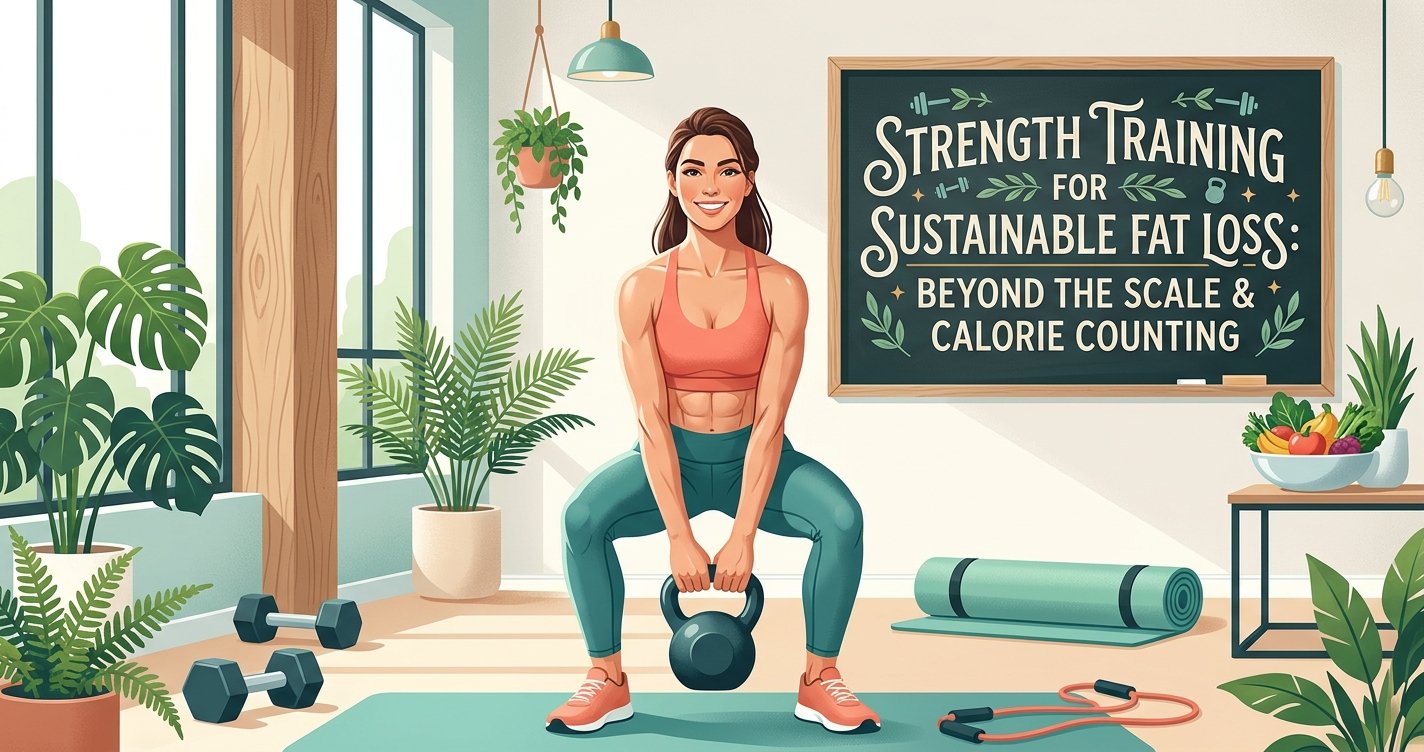
When you think about fat loss, what's the first thing that comes to mind? For many, it's endless hours on the treadmill, restrictive diets, and a constant focus on the number on the scale. While diet and cardio certainly play a role, there's a powerful, often overlooked hero in the fat loss journey: strength training. It’s not just for bodybuilders or athletes; it’s a game-changer for anyone looking to shed fat, build a leaner physique, and achieve sustainable health.
Forget the old dogma of 'eat less, move more' as the sole solution. We're diving into how lifting weights can fundamentally transform your body's ability to burn fat, reshape your figure, and boost your metabolism, making your fat loss efforts more effective and lasting. Get ready to discover why strength training is the ultimate secret weapon for a healthier, stronger you. this excellent wellness product
The Metabolic Magic: How Muscle Burns More Calories
One of the most compelling reasons to embrace strength training for fat loss lies in its profound impact on your metabolism. Unlike fat, muscle tissue is metabolically active, meaning it requires energy to maintain itself. This is where the magic begins!
Boosting Your Resting Metabolic Rate (RMR)
Your Resting Metabolic Rate (RMR) is the number of calories your body burns just to perform basic functions like breathing, circulating blood, and maintaining body temperature, even when you're doing absolutely nothing. The more muscle mass you have, the higher your RMR will be. Imagine burning more calories while you sleep, work, or relax – that's the power of increased muscle!
Even a small increase in muscle mass can lead to a significant boost in your daily calorie expenditure. This means you create a larger caloric deficit without having to drastically cut food or spend endless hours doing cardio, making your fat loss journey more manageable and sustainable.
The "Afterburn Effect" (EPOC)
Beyond the RMR boost, strength training also delivers what's known as the 'afterburn effect,' or Excess Post-exercise Oxygen Consumption (EPOC). After a challenging strength workout, your body continues to burn calories at an elevated rate for hours (sometimes up to 24-48 hours!) as it works to repair muscle tissue, replenish energy stores, and return to a pre-exercise state. This is a significant advantage over steady-state cardio, which typically has a much shorter afterburn effect.
Beyond the Scale: Body Recomposition and Aesthetics
Obsessing over the number on the scale can be incredibly demotivating, especially when you're strength training. Here's why you need to shift your focus.
Why the Scale Can Be Misleading
Muscle is denser than fat. As you build muscle and lose fat, your body composition changes. You might notice your clothes fitting better, your waist getting smaller, and your body looking firmer, even if the scale hasn't moved much, or has even gone up slightly! This is called body recomposition, and it's a far more accurate and rewarding measure of progress than just weight.
Focusing on non-scale victories like increased strength, improved energy, better sleep, and how your clothes fit will provide a more holistic and encouraging view of your progress.
The Visual Transformation: Firming Up and Shaping Your Body
Strength training doesn't just burn fat; it sculpts your body. Cardio can help you lose weight, but it won't give you the toned arms, defined shoulders, or lifted glutes that resistance training can. By strategically working different muscle groups, you can enhance your natural curves, create a more athletic physique, and achieve that 'toned' look many people desire. It’s about building a body you feel confident and strong in, not just a lighter one.
Hormonal Harmony: Strength Training's Impact on Fat Storage
Our hormones play a crucial role in regulating metabolism and fat storage. Strength training can positively influence these key players, making your body more efficient at burning fat and less prone to storing it.
Improving Insulin Sensitivity
Regular strength training can significantly improve your body's insulin sensitivity. Insulin is a hormone that helps regulate blood sugar. When your body becomes more sensitive to insulin, your cells are better able to absorb glucose from the bloodstream for energy, rather than storing it as fat. This is vital for overall metabolic health and can make a huge difference in your fat loss journey.
Cortisol Management
Chronic stress can lead to elevated levels of cortisol, often dubbed the 'stress hormone.' High cortisol levels can promote fat storage, especially around the abdominal area. While intense exercise can temporarily increase cortisol, regular, moderate strength training can help your body become more resilient to stress over time, leading to better cortisol regulation and potentially reducing stress-induced fat gain.
Fueling Your Progress: Nutrition for Strength & Fat Loss
You can't out-train a poor diet. To maximize the benefits of strength training for fat loss, your nutrition needs to be on point. It's not about restriction; it's about smart fueling.
The Paramount Importance of Protein Intake
Protein is the cornerstone of muscle building and repair. When you strength train, you create tiny tears in your muscle fibers, and protein provides the amino acids needed to repair and rebuild them, making them stronger. Aim for 0.7-1 gram of protein per pound of body weight daily, distributed throughout your meals. Protein also has a higher thermic effect of food (TEF) compared to carbs and fats, meaning your body burns more calories digesting it, and it keeps you feeling fuller for longer.
Carbohydrates and Fats for Energy and Recovery
Don't fear carbs and fats! Carbohydrates are your body's primary energy source, essential for fueling your workouts and aiding recovery. Opt for complex carbohydrates like whole grains, fruits, and vegetables. Healthy fats are crucial for hormone production, nutrient absorption, and overall health. Include sources like avocados, nuts, seeds, and olive oil. The key is balance and choosing nutrient-dense options to support your training and fat loss goals.
Getting Started: A Beginner's Guide to Strength Training
Feeling overwhelmed? Don't be! Starting strength training is simpler than you think.
Types of Strength Training
- Bodyweight Training: Excellent for beginners. Think squats, lunges, push-ups, planks. No equipment needed, highly accessible.
- Free Weights: Dumbbells and barbells offer a wide range of exercises and allow for natural movement patterns. Great for progressive overload.
- Machines: Provide stability and target specific muscle groups, which can be helpful for learning proper form.
- Resistance Bands: Portable and versatile, offering resistance for various exercises.
Sample Weekly Structure for Beginners
Aim for 2-3 full-body strength training sessions per week, with at least one rest day between sessions. A sample week might look like:
- Monday: Full Body Strength (e.g., Squats, Dumbbell Rows, Push-ups, Overhead Press)
- Tuesday: Active Recovery or Rest
- Wednesday: Full Body Strength (e.g., Deadlifts, Lunges, Bench Press, Plank)
- Thursday: Active Recovery or Rest
- Friday: Full Body Strength (e.g., Leg Press, Lat Pulldowns, Dumbbell Chest Press, Bicep Curls)
- Saturday/Sunday: Rest or Light Cardio/Flexibility
The Principle of Progressive Overload
To continue seeing results, you must consistently challenge your muscles. This is called progressive overload. It means gradually increasing the demands placed on your muscles over time. This can be done by:
- Increasing the weight you lift.
- Doing more repetitions or sets.
- Decreasing rest time between sets.
- Improving your form.
- Increasing the frequency of your workouts.
Without progressive overload, your muscles won't have a reason to adapt and grow stronger, which is crucial for sustained fat loss and muscle gain.
Common Myths Debunked: Strength Training for Everyone
Let's tackle some common misconceptions that might be holding you back.
"I Don't Want to Bulk Up!" (Especially for Women)
This is perhaps the biggest fear, especially among women, and it's largely unfounded. Building significant muscle mass like a bodybuilder requires specific, intense training, extremely high calorie intake, and often, genetic predispositions or even performance-enhancing drugs. For the average person, consistent strength training will lead to a lean, toned physique, not a bulky one. Women naturally have much lower levels of testosterone, the primary hormone responsible for muscle growth, making extreme bulking incredibly difficult without specific interventions.
"I'm Too Old to Start Lifting Weights"
Age is truly just a number when it comes to strength training benefits. In fact, it becomes even more crucial as we age! Strength training helps combat age-related muscle loss (sarcopenia), improves bone density (reducing osteoporosis risk), enhances balance and coordination (preventing falls), and maintains functional independence. It's never too late to start reaping these incredible benefits.
Conclusion: Embrace the Strength for Lasting Fat Loss
Moving beyond the scale and calorie counting can be incredibly liberating. By embracing strength training, you're not just aiming for temporary weight loss; you're investing in a more powerful, metabolically efficient, and aesthetically pleasing body that serves you for life. It's about building resilience, boosting confidence, and enjoying the journey toward a healthier you.
So, ditch the dread of endless cardio and restrictive diets. Pick up some weights, challenge your muscles, fuel your body intelligently, and watch as your body transforms in ways you never thought possible. The path to sustainable fat loss and a stronger, more vibrant you begins with embracing the power of strength training. Are you ready to lift your way to lasting results?