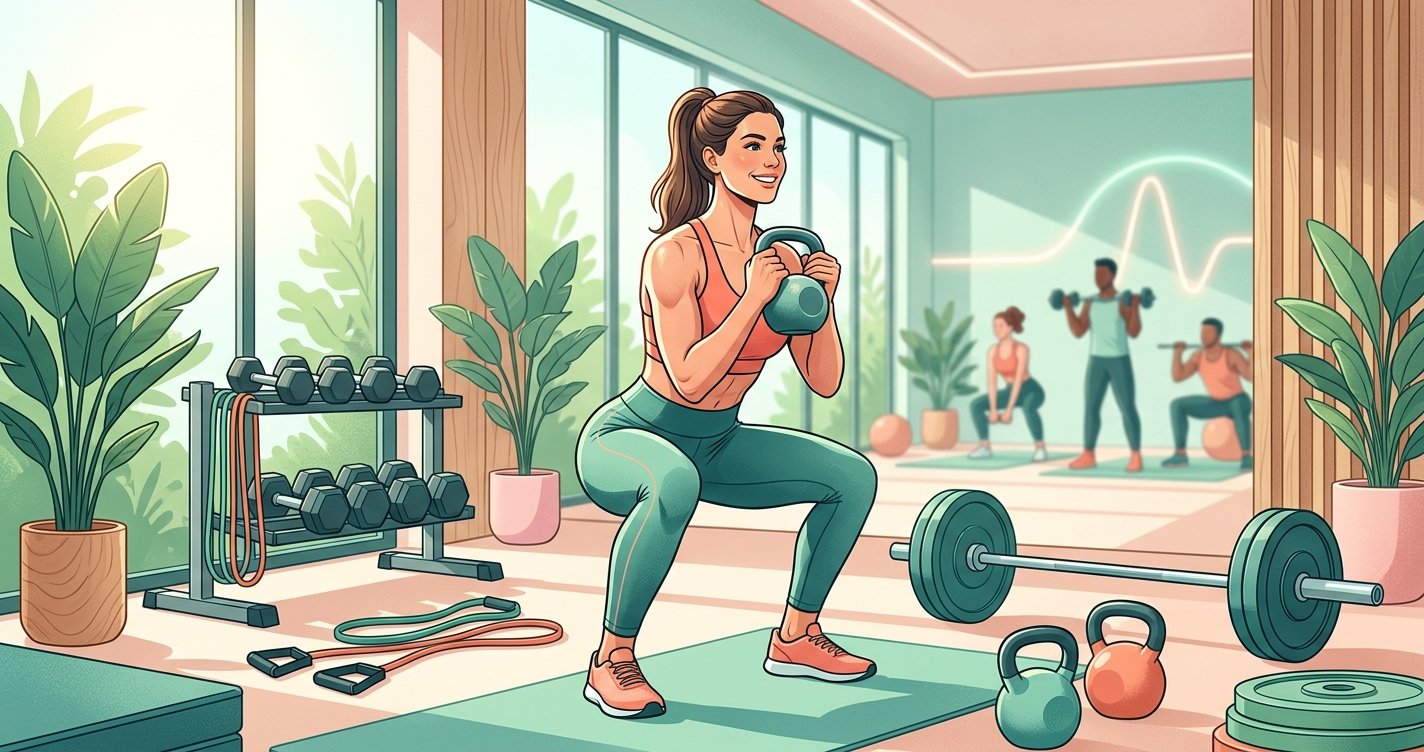
For years, the go-to advice for fat loss has been to hit the treadmill or elliptical, logging countless hours of steady-state cardio. While cardiovascular exercise certainly has its place in a healthy lifestyle, if sustainable, effective fat loss is your primary goal, it might be time to shift your focus. Welcome to the world of strength training – a powerful, often overlooked, secret weapon in your fat loss arsenal. It’s not just for bodybuilders or athletes; it’s for anyone looking to transform their body, boost their metabolism, and achieve a leaner, stronger physique.
This comprehensive guide will dive deep into why strength training is superior for long-term fat loss, how to get started, and practical tips to integrate it effectively into your routine. Get ready to ditch the endless cardio and embrace the power of building muscle! this excellent wellness product
Why Strength Training Trumps Cardio Alone for Fat Loss (The Science Behind It)
Let’s be clear: we’re not saying cardio is bad. It’s excellent for heart health, endurance, and can burn calories during the activity. However, when it comes to sustainable fat loss and body recomposition (losing fat while maintaining or gaining muscle), strength training offers distinct advantages that steady-state cardio simply can’t match.
The Metabolic Advantage: Boost Your Resting Metabolism
Muscle is metabolically active tissue, meaning it burns more calories at rest than fat tissue. Even when you’re sleeping or sitting on the couch, your muscles are working, demanding energy. The more muscle mass you have, the higher your resting metabolic rate (RMR) will be. This means you’ll burn more calories throughout the day, every day, just by existing! Strength training is the most effective way to build and preserve this calorie-burning muscle, making it a powerful tool for long-term fat loss.
Preserving Muscle While Losing Fat: Body Recomposition
When you focus solely on calorie restriction and excessive cardio, you risk losing both fat and muscle. Losing muscle can actually slow down your metabolism, making it harder to keep the weight off in the long run. Strength training, especially when combined with adequate protein intake, signals to your body that you need to preserve (or even build) muscle mass, even in a calorie deficit. This leads to what’s known as body recomposition – a more favorable shift in your body’s fat-to-muscle ratio, resulting in a leaner, more toned appearance, often without a significant change on the scale.
The Afterburn Effect: EPOC Explained
Ever heard of the 'afterburn effect'? Scientifically known as Excess Post-exercise Oxygen Consumption (EPOC), it refers to the elevated rate of oxygen intake following strenuous activity. After a challenging strength training session, your body continues to burn calories at an accelerated rate for hours (sometimes even up to 48 hours!) as it works to repair muscle tissue, replenish energy stores, and return to its pre-exercise state. While cardio offers some EPOC, strength training typically produces a more significant and prolonged effect, meaning you’re burning extra calories long after your workout is done.
Getting Started: Building Your Strength Training Foundation
Intimidated by the weights? Don’t be! Starting small and focusing on proper form is key. You don't need to be a powerlifter to reap the benefits.
Essential Equipment: Where to Begin
- Bodyweight: You can start right at home with no equipment! Push-ups, squats, lunges, planks, and glute bridges are fantastic for building foundational strength.
- Dumbbells/Resistance Bands: A set of adjustable dumbbells or a few resistance bands can significantly expand your home workout options, offering progressive challenges.
- Gym Access: A gym provides access to a wider range of equipment like barbells, machines, and heavier weights, allowing for greater variety and progressive overload.
Fundamental Movements: Compound Exercises Are Your Best Friend
Focus on compound exercises – movements that involve multiple joints and muscle groups working together. These are the most efficient for building strength and burning calories.
- Squats: Goblet squats, bodyweight squats, front squats.
- Deadlifts: Romanian deadlifts, conventional deadlifts (start light!).
- Presses: Overhead press, bench press, push-ups.
- Pulls: Rows (dumbbell, cable, barbell), pull-ups (assisted if needed).
- Lunges: Forward lunges, reverse lunges, walking lunges.
How Many Reps, Sets, and How Often?
For fat loss and muscle building, a common recommendation is:
- Reps: Aim for 8-12 repetitions per set.
- Sets: 3-4 sets per exercise.
- Frequency: 3-4 full-body strength training sessions per week, allowing a day of rest in between for muscle recovery and growth.
Always listen to your body and prioritize proper form over lifting heavy weights too soon. If you're unsure, consider hiring a certified personal trainer for a few sessions to learn the correct techniques.
Designing Your Fat Loss Program: Smart Strategies
Once you’ve got the basics down, it’s time to optimize your program for maximum fat loss.
Progressive Overload: The Key to Continuous Progress
Progressive overload is the fundamental principle of strength training. To get stronger and build more muscle, you must continually challenge your muscles. This means gradually increasing the demands placed on your body over time. Ways to achieve progressive overload include:
- Increasing the weight you lift.
- Increasing the number of repetitions.
- Increasing the number of sets.
- Decreasing rest time between sets.
- Improving your form and control.
Without progressive overload, your body adapts, and your progress will plateau. Keep pushing yourself, safely and consistently!
Incorporating High-Intensity Interval Training (HIIT) with Weights
While steady-state cardio might take a back seat, incorporating HIIT into your routine can be incredibly effective. Instead of traditional cardio machines, try HIIT with weights! This involves short bursts of intense strength exercises followed by brief recovery periods. Examples include:
- Kettlebell swings
- Burpees
- Box jumps
- Medicine ball slams
These workouts are fantastic for boosting your metabolism, burning a lot of calories in a short amount of time, and enhancing EPOC.
The Importance of Proper Form
We can't stress this enough: proper form is paramount. Not only does it prevent injuries, but it also ensures that you’re effectively targeting the intended muscles. Lifting too heavy with poor form is counterproductive and dangerous. If you're unsure, film yourself, watch instructional videos, or seek guidance from a qualified professional.
Fueling Your Progress: Nutrition for Strength & Fat Loss
Exercise is only half the equation. What you eat plays a critical role in your success.
Protein is Paramount
When you’re strength training for fat loss, adequate protein intake is crucial. Protein helps preserve and build muscle mass, which is key for a higher metabolism. It also keeps you feeling fuller for longer, aiding in calorie control. Aim for 1.6-2.2 grams of protein per kilogram of body weight daily from sources like lean meats, poultry, fish, eggs, dairy, legumes, and protein supplements.
Smart Carb and Fat Choices
Don't fear carbohydrates or fats! They are essential for energy and hormone production. Focus on complex carbohydrates like whole grains, fruits, and vegetables for sustained energy and fiber. Choose healthy fats from avocados, nuts, seeds, and olive oil for overall health and satiety. The key is balance and moderation within a slight calorie deficit for fat loss.
Hydration and Recovery
Water is often overlooked but critical for performance, metabolism, and recovery. Aim to drink plenty of water throughout the day. Additionally, consider supplements like creatine (for strength and power) or a multivitamin if your diet has gaps, but always prioritize whole foods first.
Beyond the Gym: Lifestyle Factors for Success
Your journey to sustainable fat loss extends beyond your workouts and meal choices.
The Power of Sleep
Quality sleep (7-9 hours per night) is non-negotiable for fat loss and muscle recovery. Lack of sleep can disrupt hormones that regulate appetite (ghrelin and leptin), increase cortisol (a stress hormone linked to fat storage), and impair muscle repair. Prioritize getting enough restful sleep.
Managing Stress
Chronic stress can hinder fat loss by elevating cortisol levels, which can promote abdominal fat storage and increase cravings. Find healthy ways to manage stress, whether through meditation, yoga, hobbies, or spending time in nature.
Consistency and Patience
Sustainable fat loss and body recomposition are not quick fixes. They require consistency, patience, and a long-term mindset. There will be good days and challenging days. Celebrate small victories, learn from setbacks, and keep showing up. The results will come with dedication.
Embrace Your Stronger, Leaner Self
By integrating strength training into your fat loss strategy, you’re not just burning calories; you’re building a more efficient, resilient, and aesthetically pleasing body. You’re boosting your metabolism, preserving precious muscle, and shaping a physique that reflects your hard work. It's time to step away from the endless cardio and embrace the power of lifting. Start today, be consistent, fuel your body wisely, and watch as you transform not just your body, but your confidence and overall well-being. Your stronger, leaner self is waiting!