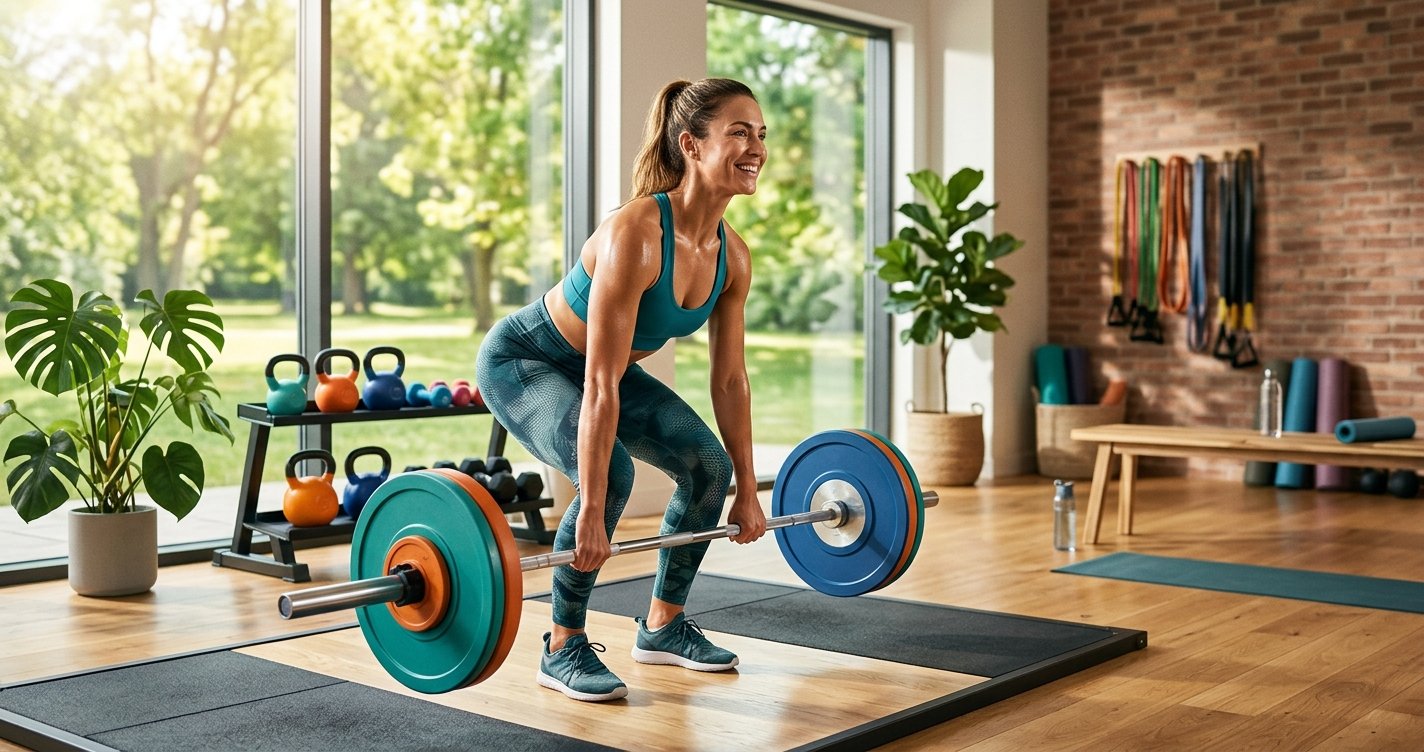
Lift Your Way to Lean: The Ultimate Guide to Strength Training for Sustainable Fat Loss
When you think about fat loss, what’s the first thing that comes to mind? For many, it’s endless cardio, restrictive diets, or hours spent on a treadmill. But what if we told you there’s a powerful, often overlooked, and incredibly effective tool that can transform your body, boost your metabolism, and help you achieve sustainable fat loss? We’re talking about strength training.
Yes, lifting weights isn't just for bodybuilders or athletes. It's for everyone looking to sculpt their physique, enhance their health, and truly revolutionize their fat loss journey. Forget the old myths about getting 'bulky'; embrace the science-backed benefits of building strength. Ready to discover how to lift your way to a leaner, stronger you? Let’s dive in! this excellent wellness product
Beyond the Scale: How Strength Training Transforms Your Body
Strength training offers a unique set of benefits for fat loss that cardio alone simply can't match. It's not just about burning calories during your workout; it’s about changing your body's composition and metabolic engine for the long haul.
The Metabolism Booster: Muscle Mass
This is perhaps the most significant advantage. Muscle tissue is metabolically active, meaning it burns more calories at rest than fat tissue. The more muscle you have, the higher your basal metabolic rate (BMR) will be. Imagine your body becoming a more efficient calorie-burning machine, even when you’re just sitting on the couch or sleeping! Building muscle through strength training means you’re essentially upgrading your internal furnace, making fat loss easier and more sustainable in the long run.
The Afterburn Effect (EPOC)
Ever felt particularly tired after a challenging weightlifting session? That's the 'afterburn effect' or Excess Post-exercise Oxygen Consumption (EPOC) at work. Unlike steady-state cardio, intense strength training causes your body to continue burning calories at an elevated rate for hours, sometimes even up to 48 hours, after your workout is over. Your body expends energy to repair muscle tissue, restore oxygen levels, and bring everything back to baseline, contributing significantly to your total daily calorie expenditure.
Hormonal Harmony
Regular strength training can positively influence your hormonal profile, which plays a crucial role in fat loss. It can improve insulin sensitivity, helping your body manage blood sugar more effectively and store less fat. It also boosts the production of growth hormone and testosterone (in both men and women), which are vital for muscle growth and fat metabolism, while potentially reducing cortisol levels (the stress hormone often linked to belly fat).
Body Recomposition: Building Shape, Not Just Losing Weight
One of the most exciting aspects of strength training for fat loss is body recomposition. This means changing your body’s ratio of fat to muscle. You might not see a dramatic drop on the scale initially, but you'll notice significant changes in how your clothes fit, how you look in the mirror, and how much stronger and more toned you feel. You're losing fat and building muscle simultaneously, creating a leaner, more defined physique.
Debunking the Myths: "I Don't Want to Get Bulky!"
This is perhaps the biggest concern, especially for women, when considering strength training. Let's set the record straight: getting 'bulky' requires a very specific training regimen, an extremely high-calorie diet, and often, genetic predispositions or external enhancements. For most people, especially women, building significant muscle mass is a slow and challenging process due to lower testosterone levels compared to men.
Instead of bulk, you'll achieve a toned, strong, and athletic physique. Strength training helps you sculpt your body, giving you definition in your arms, shoulders, back, and legs that traditional cardio simply can't provide. Embrace the strength, embrace the shape!
Getting Started: Your Strength Training Blueprint
Ready to pick up some weights? Here’s a practical guide to get you started on your fat loss journey through strength training.
Choosing Your Tools: Free Weights, Machines, or Bodyweight?
- Free Weights (Dumbbells, Barbells, Kettlebells): Excellent for functional strength, engaging stabilizing muscles, and offering a wide range of exercises. Great for progression.
- Machines: Often easier for beginners as they guide your movement, reducing the risk of injury. Good for isolating specific muscle groups.
- Bodyweight Exercises: Perfect for starting at home with no equipment. Think squats, lunges, push-ups, planks. These build a solid foundation.
A combination of these can be highly effective. Don't feel pressured to start with heavy barbells; begin where you're comfortable and build from there.
The Power of Compound Movements
Prioritize compound exercises. These are movements that work multiple muscle groups and joints simultaneously. They are incredibly efficient for calorie burning and muscle building. Examples include:
- Squats: Works glutes, quads, hamstrings, core.
- Deadlifts: Works hamstrings, glutes, back, core, forearms.
- Bench Press: Works chest, shoulders, triceps.
- Overhead Press: Works shoulders, triceps, core.
- Rows: Works back, biceps, shoulders.
Build your routine around these fundamental movements, adding isolation exercises as needed.
How Often Should You Lift?
For optimal fat loss and muscle gain, aim for 3-4 strength training sessions per week. This allows for adequate muscle recovery and growth. You can structure your workouts in various ways:
- Full-Body Workouts: 3 times a week, hitting all major muscle groups in each session.
- Upper/Lower Split: 2 upper body days, 2 lower body days.
- Push/Pull/Legs (PPL): 3-6 days a week, focusing on pushing movements, pulling movements, and legs on separate days.
For beginners, 2-3 full-body workouts per week are an excellent starting point.
Progressive Overload: The Key to Continuous Progress
To keep building muscle and getting stronger (which fuels fat loss), you need to challenge your muscles progressively. This is called progressive overload. It means gradually increasing the demand on your muscles over time. How can you do this?
- Increase Weight: The most common method. If 10 lbs feels easy, try 12.5 lbs.
- Increase Reps: Do more repetitions with the same weight.
- Increase Sets: Add an extra set to your routine.
- Improve Form: Perform the exercise with better control and range of motion.
- Decrease Rest Time: Shorten the breaks between sets.
- Increase Frequency: Add an extra workout day if you're ready.
Without progressive overload, your body adapts, and progress stalls. Always strive to do a little more than last time.
Form Over Everything
Proper form is paramount to prevent injuries and ensure you're effectively targeting the intended muscles. If you're new, consider hiring a certified personal trainer for a few sessions to learn the correct techniques. Watch instructional videos, use mirrors, and start with lighter weights until your form is solid. Never sacrifice form for heavier weights.
Integrating Nutrition and Recovery for Optimal Results
While strength training is powerful, it’s not a magic bullet. For sustainable fat loss, it must be combined with smart nutrition and adequate recovery.
- Protein Intake: Crucial for muscle repair and growth. Aim for 0.7-1 gram of protein per pound of body weight daily.
- Calorie Deficit: To lose fat, you generally need to consume slightly fewer calories than you burn. Strength training helps by increasing your calorie burn and preserving muscle during this deficit.
- Whole Foods: Focus on nutrient-dense, whole foods – lean proteins, fruits, vegetables, healthy fats, and complex carbohydrates.
- Hydration: Drink plenty of water throughout the day.
- Sleep: Aim for 7-9 hours of quality sleep per night. Sleep is when your body repairs and rebuilds muscle tissue, and it significantly impacts hormone regulation for fat loss.
Your Journey Starts Now: Embrace the Strength Within
Strength training for fat loss isn't just about changing your body; it's about building confidence, boosting your energy, improving your bone density, and enhancing your overall quality of life. It’s a powerful, evidence-based approach to achieving sustainable results that go far beyond the number on the scale.
So, ditch the endless cardio sessions and restrictive diets that leave you feeling drained. Embrace the weights, challenge your body, and witness the incredible transformation that strength training can bring. You are stronger than you think, and your journey to a leaner, healthier, and more empowered you starts today. Pick up those weights, and let’s get strong!