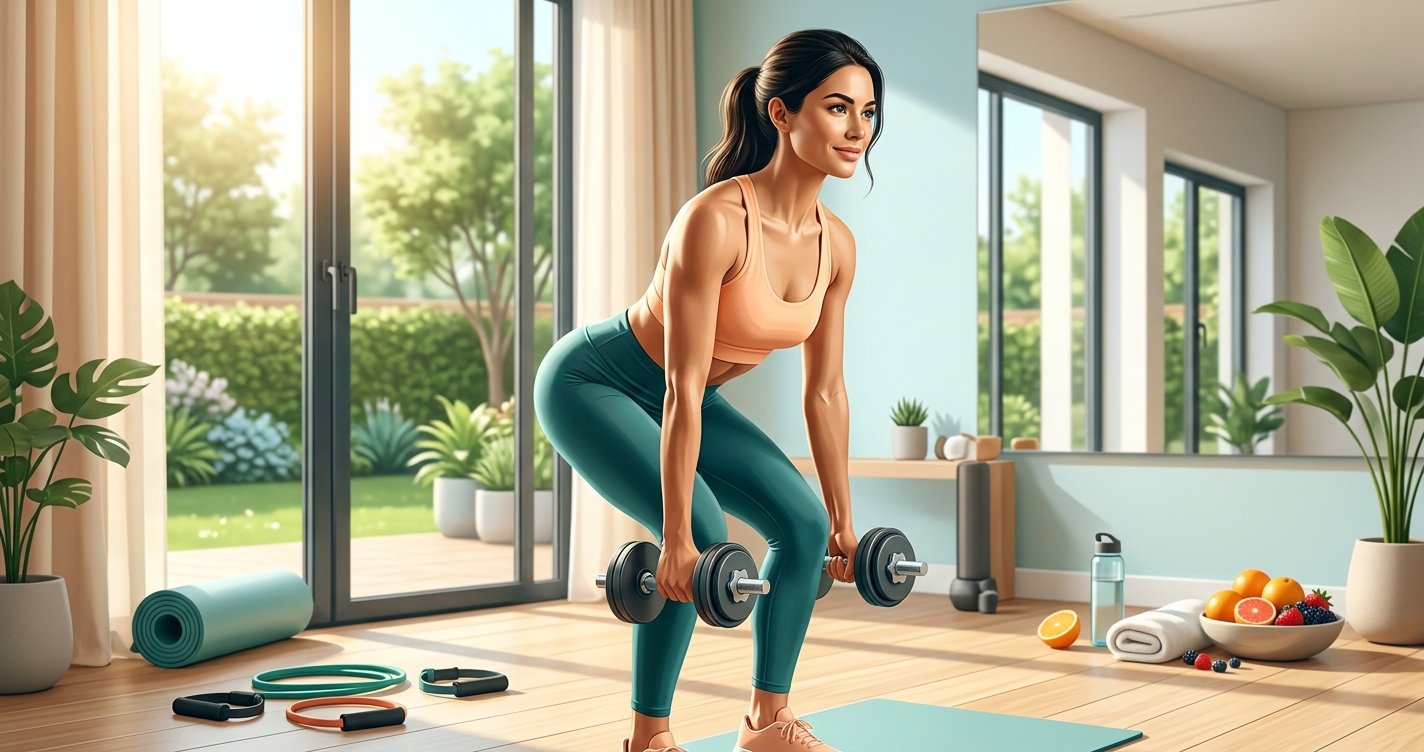
Melt Fat, Build Muscle: The Ultimate Guide to Strength Training for Sustainable Fat Loss
Are you tired of endless cardio sessions that leave you feeling exhausted but not seeing the results you truly desire? Do you dream of a body that’s not just lighter, but also stronger, more toned, and brimming with confidence? If so, it’s time to shift your focus from solely the scale to something far more empowering: strength training for sustainable fat loss. Forget the myth that lifting weights will make you "bulky"; instead, prepare to discover your body's incredible potential to become a lean, fat-burning machine!
Many people associate fat loss primarily with calorie restriction and hours on the treadmill. While diet and cardio play their parts, they often miss the most crucial piece of the puzzle for long-term, sustainable results: building and maintaining muscle mass. This isn't just about looking good; it's about fundamentally changing your body's metabolism and creating a healthier, more resilient you. Let's dive deep into why strength training is your ultimate ally in the journey to a leaner, stronger physique. this excellent wellness product
The Science Behind the Sweat: How Strength Training Torches Fat
Strength training isn't just about lifting heavy things; it's a metabolic game-changer. Here's how it works its magic:
Boost Your Metabolism: The Afterburn Effect (EPOC)
When you engage in intense strength training, your body doesn't just burn calories during the workout. It experiences something called Excess Post-exercise Oxygen Consumption (EPOC), often referred to as the "afterburn effect." This means your body continues to burn calories at an elevated rate for hours, even up to 48 hours, after you've finished your last rep. Why? Because your body needs extra oxygen to recover, repair muscle tissue, and return to its pre-exercise state. Cardio has an afterburn effect too, but strength training tends to yield a more significant and prolonged EPOC.
Muscle: Your Body's Fat-Burning Furnace
This is perhaps the biggest secret weapon in your fat loss arsenal. Muscle tissue is metabolically active, meaning it burns more calories at rest than fat tissue does. For every pound of muscle you gain, your resting metabolic rate (RMR) slightly increases. While the exact numbers vary, even a small increase in RMR over time can make a significant difference in your daily calorie expenditure. This means that by building muscle, you're essentially turning your body into a more efficient, 24/7 fat-burning furnace, even when you're sleeping or sitting at your desk!
Designing Your Fat Loss Strength Training Program
Ready to start lifting? Here's how to build an effective program:
Compound Movements: Your Best Friends
To maximize your fat-burning and muscle-building efforts, prioritize compound movements. These are exercises that involve multiple joints and muscle groups working together. They are more demanding, burn more calories, and stimulate a greater hormonal response crucial for muscle growth and fat loss.
- Squats: Barbell squats, goblet squats, front squats
- Deadlifts: Conventional deadlifts, sumo deadlifts, Romanian deadlifts
- Presses: Overhead press, bench press, push-ups
- Rows: Barbell rows, dumbbell rows, pull-ups/lat pulldowns
- Lunges: Forward lunges, reverse lunges, walking lunges
Progressive Overload: The Key to Continuous Progress
Your muscles need a reason to grow stronger. This is where progressive overload comes in. It means consistently challenging your muscles by gradually increasing the demands placed on them. This could be:
- Increasing the weight you lift
- Doing more repetitions with the same weight
- Performing more sets
- Decreasing rest times between sets
- Improving your exercise form
- Increasing the frequency of your workouts
Without progressive overload, your body will adapt, and your progress will plateau. Always strive to be a little bit stronger than your last session!
Frequency and Rep Ranges: What Works Best?
For fat loss and muscle building, aiming for 3-4 full-body or upper/lower split workouts per week is generally effective, allowing for adequate recovery. As for rep ranges:
- For building muscle (hypertrophy): 6-12 repetitions per set, aiming for 3-4 sets per exercise. This range is excellent for stimulating muscle growth.
- For strength: 1-5 repetitions per set, with heavier weights. While not directly for hypertrophy, building strength allows you to lift heavier in the hypertrophy range over time.
- For endurance/metabolic conditioning: 12-20+ repetitions per set with lighter weights. Can be useful for increasing work capacity and calorie burn within a session.
A good program often incorporates a mix, but focusing primarily on the 6-12 rep range with challenging weights will be highly effective for fat loss goals.
Fueling Your Gains: Nutrition for Strength and Fat Loss
You can't out-train a bad diet. Nutrition is paramount for both muscle growth and fat loss.
Protein Power: The Muscle Builder and Satiety Hero
Protein is essential for repairing and building muscle tissue. It's also incredibly satiating, helping you feel fuller for longer and reducing cravings. Aim for 1.6-2.2 grams of protein per kilogram of body weight per day. Good sources include lean meats, poultry, fish, eggs, dairy, legumes, and protein supplements.
Carbs and Fats: Energy for Performance and Health
Don't fear carbs or healthy fats! Carbohydrates are your body's primary energy source, crucial for powering your workouts and recovery. Opt for complex carbohydrates like whole grains, fruits, and vegetables. Healthy fats are vital for hormone production and overall health. Focus on sources like avocados, nuts, seeds, and olive oil. The exact balance of carbs and fats will depend on your activity level and personal preferences, but ensure you're in a slight calorie deficit to encourage fat loss.
Common Myths and Mistakes to Avoid
Navigating the fitness world can be tricky, so let's debunk some common misconceptions:
"Bulking Up" Fear for Women
This is perhaps the biggest myth holding women back from the incredible benefits of strength training. Women naturally have far less testosterone than men, making it extremely difficult to build large, bulky muscles without specific, dedicated training and dietary strategies (and often, chemical assistance). What you will achieve is a lean, toned, and strong physique that accentuates your natural curves.
Neglecting Recovery
More isn't always better. Your muscles grow and repair when you're resting, not when you're lifting. Ensure you're getting 7-9 hours of quality sleep per night and incorporating rest days into your routine. Overtraining can lead to fatigue, injury, and stalled progress.
Focusing Only on the Scale
While the scale can be a data point, it doesn't tell the whole story. As you build muscle and lose fat, your body composition changes. You might weigh the same or even a little more, but look significantly leaner and stronger. Take progress photos, measure inches, and notice how your clothes fit. These are often better indicators of progress than a number on a scale.
Putting It All Together: Your Sustainable Fat Loss Journey
Embracing strength training for fat loss is a journey, not a race. It requires consistency, patience, and a willingness to challenge yourself. Start with a solid program, focus on proper form, prioritize protein in your diet, and ensure adequate rest. Don't be afraid to lift heavy and push your limits – safely, of course!
Remember, this isn't just about losing weight; it's about gaining strength, confidence, and a healthier relationship with your body. The benefits extend far beyond aesthetics, improving bone density, boosting mood, and enhancing overall quality of life.
Conclusion: Embrace the Strength Within
Strength training is more than just a workout; it's an investment in your long-term health, vitality, and confidence. By understanding its profound impact on your metabolism and body composition, you can move beyond fleeting diets and endless cardio to build a stronger, leaner, and more resilient you. So, pick up those weights, challenge yourself, and unleash the powerful, fat-burning machine that's been waiting inside you all along. Your journey to a stronger, leaner you starts now!