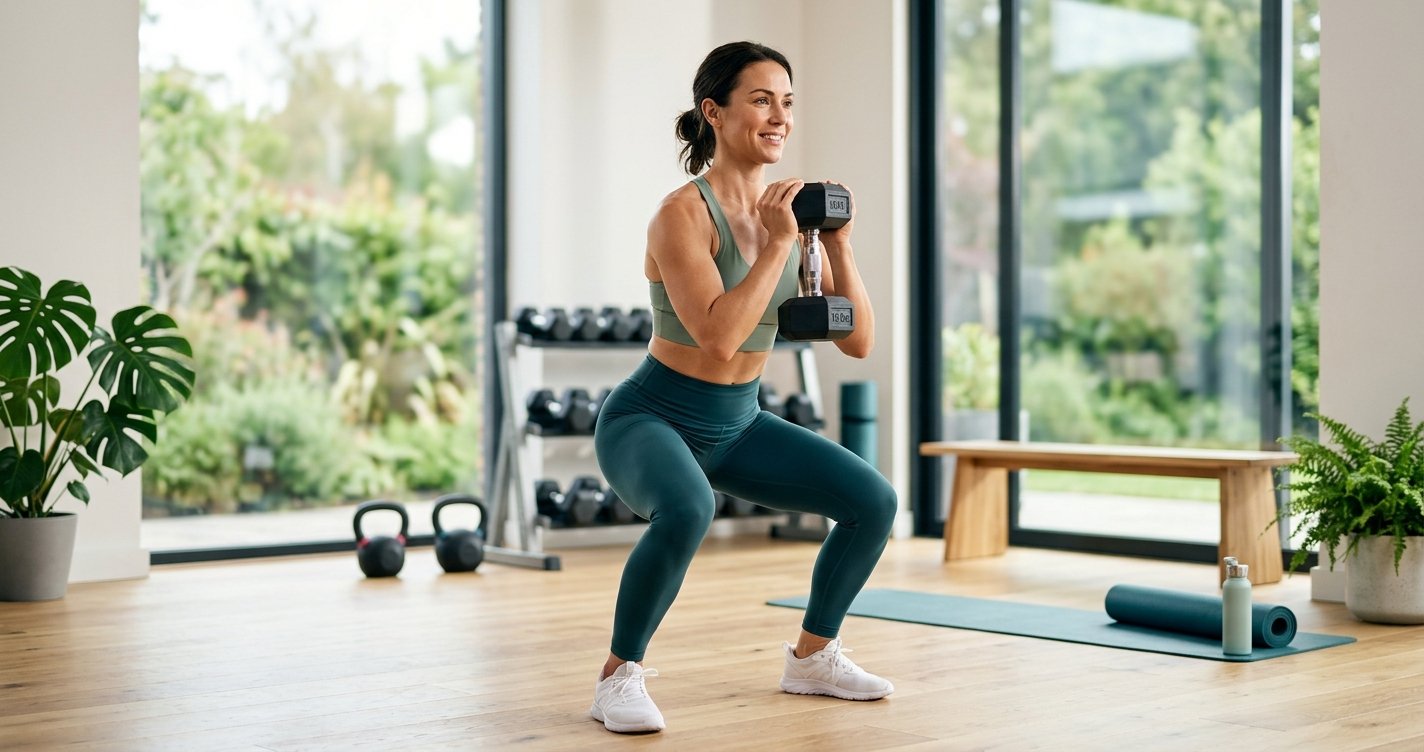
When you picture fat loss, what comes to mind? Hours on the treadmill? Restrictive diets? While cardio and nutrition certainly play crucial roles, there's a powerful, often overlooked player that can truly revolutionize your body composition and make fat loss sustainable and enjoyable: strength training.
For too long, strength training has been unfairly stereotyped – seen as something only for bodybuilders or those looking to 'bulk up.' But the truth is, incorporating resistance exercises into your routine is one of the most effective, evidence-based strategies for shedding unwanted fat, building a strong, toned physique, and boosting your overall health. It's not just about what happens during your workout; it's about the profound changes it brings to your body's metabolism and composition around the clock. this excellent wellness product
This guide will dive deep into why strength training is your secret weapon for sustainable fat loss, debunk common myths, and provide you with the knowledge and encouragement to embrace the weights and transform your body from the inside out. Get ready to discover a more effective, empowering path to a leaner, stronger you!
Why Strength Training is Your Secret Weapon for Fat Loss
Forget the idea that endless cardio is the only way to burn fat. While it has its place, strength training offers unique benefits that directly accelerate fat loss and improve your body's ability to stay lean in the long run.
It's Not Just About Burning Calories in the Gym
Yes, you burn calories during a strength training session, often a significant amount depending on the intensity. But the real magic happens long after you've racked the weights. Unlike steady-state cardio, which primarily burns calories while you're doing it, strength training has a powerful 'afterburn' effect.
The Afterburn Effect: EPOC Explained
This phenomenon is scientifically known as Excess Post-exercise Oxygen Consumption (EPOC). After an intense strength workout, your body continues to burn extra calories at an elevated rate for up to 24-48 hours as it recovers, repairs muscle tissue, and adapts. This means you're still torching fat while you're working, sleeping, or relaxing – something traditional cardio can't quite match.
Building Muscle Burns More Fat at Rest
This is perhaps the most significant benefit. Muscle tissue is metabolically more active than fat tissue. For every pound of muscle you gain, your body burns approximately 6-10 extra calories per day, even when you're just sitting still. While this might not sound like much per pound, over time and with consistent training, these small increases add up significantly. By increasing your muscle mass, you effectively turn your body into a more efficient fat-burning machine 24/7, making it easier to maintain a healthy weight and achieve sustainable fat loss.
Beyond the Scale: Reshaping Your Body and Boosting Confidence
Fat loss isn't just about the number on the scale; it's about how you look, feel, and the incredible strength you gain. Strength training excels at delivering these holistic benefits.
Body Recomposition: What it Means
Strength training allows for body recomposition – the process of simultaneously losing fat and gaining muscle. This means your weight on the scale might not drop dramatically, but your body shape will transform. You'll become firmer, more toned, and often appear smaller because muscle is denser than fat. This is why focusing solely on the scale can be misleading; your clothes fitting better and seeing definition in the mirror are far better indicators of progress.
The Aesthetic Benefits
Want sculpted shoulders, defined arms, a stronger core, and lifted glutes? Strength training is the most direct path. It allows you to strategically build muscle in areas you desire, creating a more aesthetically pleasing and powerful physique that simply can't be achieved through diet or cardio alone.
Mental and Emotional Gains
The benefits extend far beyond the physical. Lifting weights can be incredibly empowering. As you get stronger, you'll feel more capable, confident, and resilient. It's a fantastic stress reliever, boosts mood through endorphin release, and can significantly improve body image and self-esteem. The discipline and progress you experience in the gym often spill over into other areas of your life.
Debunking Myths: "Bulking Up" and Other Worries
Many people, especially women, hesitate to lift weights due to common misconceptions. Let's set the record straight.
Women and Weightlifting: No, You Won't Get "Bulky"
This is perhaps the biggest myth holding women back. The vast majority of women simply don't have the testosterone levels required to build large, bulky muscles naturally. What you will achieve is a lean, toned, and strong physique. The 'bulky' look often associated with female bodybuilders is typically the result of highly specific, intense training, extremely strict diets, and often, performance-enhancing substances. For the average woman, consistent strength training will lead to definition, strength, and a more athletic shape, not bulk.
The Importance of Progressive Overload, Not Just Heavy Lifting
Progressive overload is the fundamental principle of strength training: gradually increasing the demands on your muscles over time. This can mean lifting slightly heavier weights, doing more repetitions, increasing sets, reducing rest times, or improving form. It's about continually challenging your muscles to adapt and grow stronger, which is key for both muscle gain and fat loss. It's not about ego lifting or risking injury; it's about smart, consistent progression.
Getting Started: Your Beginner-Friendly Strength Training Plan
Ready to pick up some weights? Here's how to start safely and effectively.
Essential Equipment (or Bodyweight Options)
- Gym Membership: Access to a variety of machines, free weights (dumbbells, barbells), and experienced trainers.
- Home Gym: A set of dumbbells (light to moderate), resistance bands, and a mat can get you started. Bodyweight exercises alone are also highly effective for beginners.
Sample Weekly Routine (2-3 times a week is ideal for beginners)
Focus on full-body workouts initially to build a solid foundation. Aim for 2-3 non-consecutive days a week (e.g., Monday, Wednesday, Friday) with rest days in between.
- Warm-up (5-10 minutes): Light cardio (jogging, jumping jacks) and dynamic stretches (arm circles, leg swings).
- Workout (30-60 minutes): Choose 5-8 exercises, performing 2-3 sets of 8-15 repetitions for each.
- Cool-down (5-10 minutes): Static stretches, holding each for 20-30 seconds.
Focus on Form Over Weight
This cannot be stressed enough. Proper form is crucial for preventing injury and effectively targeting the intended muscles. Start with lighter weights to master the movement pattern. If in doubt, watch instructional videos, consult a certified personal trainer, or ask gym staff for guidance.
Key Exercises to Include (Compound Movements for Maximum Benefit)
- Squats: Bodyweight, goblet squat, dumbbell squat.
- Deadlifts: Romanian deadlift (RDL) with dumbbells, kettlebell deadlift (start light!).
- Lunges: Forward lunges, reverse lunges, walking lunges.
- Push-ups: On knees, incline, or full push-ups.
- Rows: Dumbbell rows, resistance band rows.
- Overhead Press: Dumbbell shoulder press.
- Planks: For core strength.
Fueling Your Progress: Nutrition's Role in Strength & Fat Loss
You can't out-train a poor diet. Nutrition is paramount for both supporting muscle growth and facilitating fat loss.
Protein is Paramount
Protein is the building block of muscle and is crucial for repair and growth after your workouts. Aim for 0.7-1 gram of protein per pound of body weight daily. Good sources include lean meats, poultry, fish, eggs, dairy, legumes, and protein supplements.
Carbohydrates for Energy
Don't fear carbs! They are your body's primary energy source, essential for fueling intense workouts and replenishing muscle glycogen stores. Focus on complex carbohydrates like whole grains, fruits, and vegetables.
Healthy Fats for Hormones
Healthy fats are vital for hormone production and overall health. Include sources like avocados, nuts, seeds, olive oil, and fatty fish in your diet.
The Importance of a Moderate Calorie Deficit
To lose fat, you need to consume fewer calories than you burn (a calorie deficit). However, an overly aggressive deficit can hinder muscle growth and energy levels. Aim for a moderate deficit (around 300-500 calories below maintenance) while ensuring adequate protein intake to preserve muscle mass.
Consistency and Patience: The Keys to Long-Term Success
Sustainable fat loss and muscle gain are not overnight processes. They require dedication and patience.
Tracking Progress Beyond the Scale
Regularly take progress photos, measure body circumference (waist, hips, arms), and note how your clothes fit. Track your lifts in a journal or app – seeing your strength increase is incredibly motivating!
Listening to Your Body
Rest and recovery are just as important as the workouts themselves. Ensure you're getting adequate sleep (7-9 hours), hydrating well, and taking rest days to allow your muscles to repair and grow. If you're feeling overly fatigued or sore, it might be time for an extra rest day or a deload week.
Making it a Lifestyle
Strength training should become a consistent part of your routine, not a temporary fix. Embrace the process, celebrate small victories, and focus on building a healthier, stronger you for life.
Putting It All Together: Your Actionable Steps
Ready to transform your body and boost your metabolism? Here's your plan of action:
- Commit to 2-3 Strength Workouts Per Week: Start with full-body routines focusing on compound movements.
- Prioritize Protein: Aim for 0.7-1 gram per pound of body weight daily to support muscle repair and growth.
- Eat a Balanced Diet: Include complex carbs for energy and healthy fats for overall health, maintaining a moderate calorie deficit.
- Focus on Form: Master the movements with lighter weights before increasing the load.
- Track Your Progress: Document your lifts, take photos, and celebrate non-scale victories.
- Be Patient and Consistent: Sustainable results take time and dedication. Trust the process!
Strength training is more than just lifting weights; it's an investment in a stronger, healthier, and more confident you. By harnessing its power, you're not just losing fat; you're building a foundation for lifelong health, vitality, and a body you truly love. So, step away from the endless cardio, embrace the weights, and lift your way to a leaner, more powerful future!