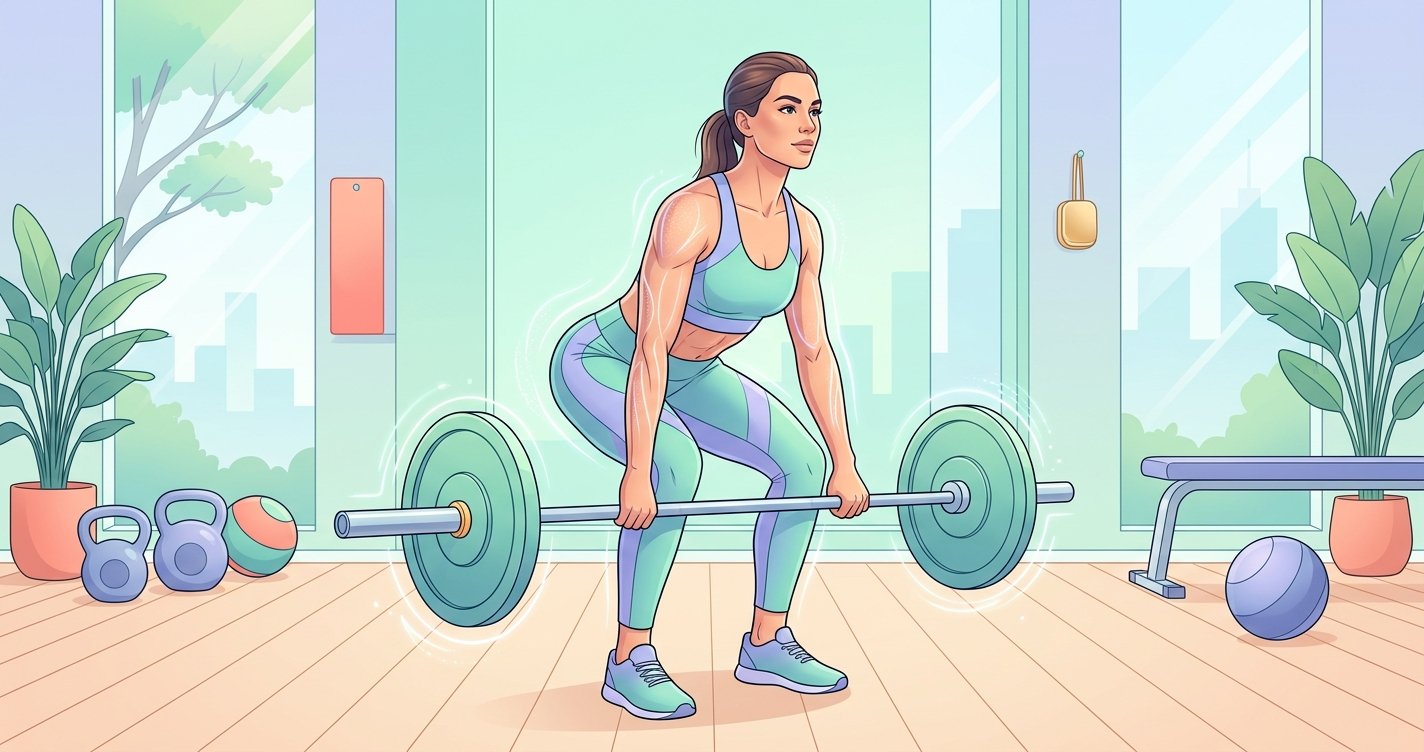
Are you tired of endless cardio sessions that don't seem to get you the results you crave? Have you jumped from one restrictive diet to another, only to find yourself back where you started? It's time to shift your perspective and discover a powerful, often overlooked tool in your fat loss arsenal: strength training. Forget the myths about "bulking up" or needing to spend hours on the treadmill. We're here to show you how lifting weights can be your most effective, sustainable, and empowering path to a leaner, stronger you.
Why Strength Training is Your Secret Weapon for Sustainable Fat Loss
When most people think of fat loss, their minds often jump straight to calorie restriction and long, grueling cardio workouts. While diet and cardiovascular exercise certainly play a role, strength training offers unique benefits that are simply unmatched for sustainable fat loss and body recomposition. this excellent wellness product
Boost Your Metabolism: The Afterburn Effect (EPOC)
One of the most exciting benefits of strength training is its impact on your metabolism, even after your workout is over. This phenomenon is known as EPOC (Excess Post-exercise Oxygen Consumption), or simply, the "afterburn effect." Unlike steady-state cardio, intense resistance training creates a significant metabolic disturbance that requires your body to expend extra energy to recover, repair muscle tissue, and return to its pre-exercise state. This means you continue to burn calories at an elevated rate for hours, sometimes even days, after you've left the gym. Imagine burning more calories while you're sitting on the couch – that's the power of strength training!
Build Muscle, Burn More Calories at Rest
Here's a fundamental truth often overlooked: muscle tissue is metabolically active. This means that even when you're resting, your muscles are constantly burning calories to maintain themselves. Fat tissue, on the other hand, is far less metabolically demanding. By building and preserving lean muscle mass through strength training, you effectively increase your Basal Metabolic Rate (BMR). A higher BMR means your body naturally burns more calories throughout the day, making it easier to create the calorie deficit needed for fat loss without overly restrictive dieting. It's like turning your body into a more efficient, fat-burning machine 24/7.
Sculpt Your Body and Improve Body Composition
Losing weight is one thing, but transforming your body is another. While cardio can help you lose weight, it doesn't necessarily improve your body shape or composition. Strength training, however, allows you to actively sculpt your physique. By targeting specific muscle groups, you can build definition, create curves, and achieve a more toned, athletic appearance. This improvement in body composition – reducing body fat while increasing muscle mass – often looks far more impressive than simply seeing a lower number on the scale. You might even find your clothes fit better, and you feel stronger and more confident, even if the scale hasn't drastically changed.
Enhance Insulin Sensitivity and Hormonal Balance
Strength training isn't just about muscles and metabolism; it also plays a crucial role in improving your overall health and hormonal balance, which directly impacts fat loss. Regular resistance exercise can significantly improve insulin sensitivity. When your cells are more responsive to insulin, your body is better able to utilize glucose for energy instead of storing it as fat. This can be particularly beneficial for managing blood sugar levels and reducing the risk of conditions like Type 2 diabetes. Furthermore, strength training can positively influence other hormones involved in fat metabolism, helping to create a more favorable environment for fat loss.
Getting Started: Your Strength Training Blueprint
Ready to embrace the weights? Here’s a practical guide to help you begin your strength training journey for fat loss.
Frequency and Volume: How Often Should You Lift?
For beginners, 2-3 full-body strength training sessions per week are an excellent starting point. This allows ample time for muscle recovery and growth. As you progress, you might increase to 3-4 sessions, potentially splitting workouts (e.g., upper body/lower body) to allow for more volume per muscle group. Each session should last approximately 45-60 minutes, focusing on quality over quantity.
- Beginner: 2-3 full-body workouts per week
- Intermediate/Advanced: 3-4 split or full-body workouts per week
Exercise Selection: Compound vs. Isolation
Prioritize compound exercises. These movements engage multiple joints and muscle groups simultaneously, making them highly efficient for building strength, burning calories, and stimulating a greater metabolic response. Examples include:
- Squats: Engages glutes, quads, hamstrings, core.
- Deadlifts: Works glutes, hamstrings, back, core.
- Bench Press: Targets chest, shoulders, triceps.
- Overhead Press: Shoulders, triceps, core.
- Rows: Back, biceps, shoulders.
While isolation exercises (like bicep curls or tricep extensions) have their place for specific muscle development, the bulk of your program, especially for fat loss, should revolve around compound movements.
Progressive Overload: The Key to Continuous Progress
Your muscles adapt. To continue seeing results, you must consistently challenge them. This is the principle of progressive overload. It means gradually increasing the demands placed on your body over time. This can be achieved by:
- Increasing the weight lifted.
- Doing more repetitions with the same weight.
- Performing more sets.
- Reducing rest times between sets.
- Improving exercise form.
Without progressive overload, your body will plateau. Always strive to be a little stronger, a little more capable than your last session.
Don't Forget Recovery!
Muscle growth and fat loss don't happen in the gym; they happen during recovery. Adequate sleep (7-9 hours per night), proper nutrition, and active rest days are crucial. Pushing yourself too hard without sufficient recovery can lead to overtraining, injury, and stalled progress. Listen to your body!
Integrating Nutrition for Optimal Results
Strength training is incredibly powerful, but to maximize fat loss, you can't ignore your plate. Nutrition and training go hand-in-hand.
Protein is King for Muscle Retention
When you're in a calorie deficit for fat loss, there's a risk of losing muscle along with fat. A high protein intake is essential to preserve your hard-earned muscle mass. Aim for 0.7-1 gram of protein per pound of body weight per day. Protein also has a high thermic effect (meaning your body burns more calories digesting it) and is highly satiating, helping you feel fuller for longer.
Smart Carb and Fat Choices
Don't demonize carbs or fats! Both are vital for energy, hormone production, and overall health. Focus on complex carbohydrates like whole grains, fruits, and vegetables for sustained energy and fiber. Opt for healthy fats from sources like avocados, nuts, seeds, and olive oil. The key is balance and portion control within your overall calorie goals.
Calorie Deficit (The Basics)
Ultimately, fat loss requires consuming fewer calories than your body expends. Strength training helps increase that expenditure, making the deficit easier to achieve. Use an online calculator to estimate your maintenance calories, then subtract 300-500 calories to create a moderate deficit. Remember, consistency is more important than drastic cuts.
Common Myths Debunked
Let's clear up some common misconceptions that might be holding you back.
"Lifting Makes Women Bulky"
This is perhaps the biggest myth in fitness. Women simply don't have the same levels of testosterone as men, making it incredibly difficult to "bulk up" without extreme training, diet, and often, pharmaceutical assistance. What strength training will do is build lean, toned muscle, giving you a strong, athletic, and feminine physique. Embrace the weights!
"Cardio is Better for Fat Loss"
While cardio burns calories during the workout, strength training offers a superior metabolic boost post-workout and builds muscle that burns more calories 24/7. For optimal fat loss and body recomposition, a combination of both is ideal, but strength training should be the cornerstone of your program.
Sustainable Habits for Long-Term Success
Fat loss is a journey, not a destination. For sustainable results, focus on building habits that fit into your lifestyle.
- Consistency Over Perfection: Missing a workout or having an off-plan meal won't derail your progress. Get back on track with your next meal or session.
- Prioritize Sleep: Adequate sleep is crucial for recovery, hormone regulation, and appetite control.
- Stay Hydrated: Drink plenty of water throughout the day.
- Manage Stress: Chronic stress can impact hormones and hinder fat loss. Find healthy ways to cope.
- Track Progress Beyond the Scale: Take progress photos, measure body circumference, note strength gains, and observe how your clothes fit. The scale is just one metric.
Embrace Your Strength, Embrace Your New Body
Strength training is more than just lifting weights; it's about building confidence, resilience, and a powerful connection with your body. It empowers you to reshape your physique, boost your metabolism, and cultivate sustainable habits that will serve you for a lifetime. Ditch the endless cardio, embrace the iron, and unlock the leaner, stronger, and more vibrant version of yourself. Your journey to sustainable fat loss starts now!