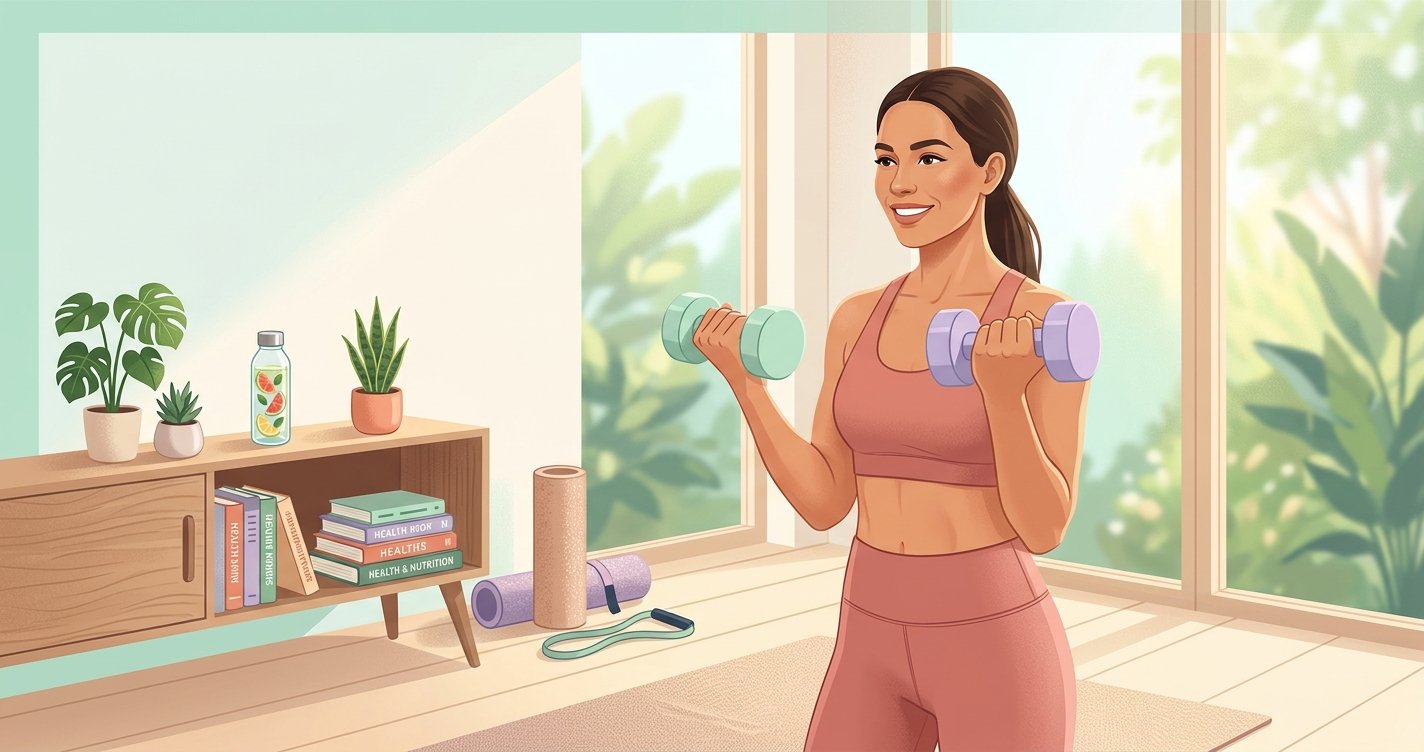
When you picture 'fat loss,' what's the first image that comes to mind? For many, it's endless hours on the treadmill, sweating through spin classes, or pounding the pavement. While cardio has its place, if you're truly aiming for sustainable fat loss, a leaner physique, and a revved-up metabolism, you might be missing the most powerful tool in your arsenal: strength training.
It's time to shift our focus from solely burning calories during a workout to building a body that burns more calories all the time. This isn't just about looking good; it's about building a stronger, healthier, more resilient you. Ready to discover why lifting weights is the game-changer you've been searching for? this excellent wellness product
Beyond the Scale: Understanding True Fat Loss
Before we dive into the 'how,' let's clarify what we're really talking about. Often, 'weight loss' and 'fat loss' are used interchangeably, but they're distinctly different, and understanding this difference is crucial for your long-term success.
The Difference Between Weight Loss and Fat Loss
When you 'lose weight,' you're shedding pounds from your body, but this could be anything: water, muscle, or fat. Drastic diets, for instance, often lead to significant initial 'weight loss,' but a good portion of this is often water and precious muscle mass. Losing muscle is counterproductive to fat loss goals, as muscle is metabolically active tissue.
Why Body Composition Matters More
Fat loss, on the other hand, specifically targets the reduction of adipose tissue while ideally preserving or even building muscle. This is where body composition comes into play. You might weigh the same, or even slightly more, but look leaner and stronger because you've traded fat for muscle. This shift in body composition is the real marker of progress for a healthy, fit physique.
The Science Behind Strength Training and Fat Loss
Strength training isn't just about building big muscles; it's a metabolic powerhouse that fundamentally changes how your body burns fat. Let's explore the scientific reasons why it's so effective.
Boosting Your Metabolism: The Afterburn Effect (EPOC)
Ever feel like you're still burning calories long after a tough workout? You are! This phenomenon is known as Excess Post-exercise Oxygen Consumption (EPOC), or the 'afterburn effect.' Intense strength training sessions create a significant oxygen debt that your body has to repay post-workout. This process requires energy, meaning your body continues to burn calories at an elevated rate for hours, sometimes even days, after you've left the gym. This 'passive' calorie burn is a huge advantage over steady-state cardio, which typically only burns calories during the activity itself.
Building Muscle, Burning More Calories at Rest
Muscle tissue is far more metabolically active than fat tissue. For every pound of muscle you carry, your body burns approximately 6-10 calories per day just to maintain it, even when you're resting. While this might not sound like much per pound, over time, and across several pounds of added muscle, it significantly increases your Basal Metabolic Rate (BMR). This means you're burning more calories simply by existing, making it easier to maintain a calorie deficit for fat loss and prevent weight regain.
Hormonal Harmony: Impact on Insulin Sensitivity and Growth Hormone
Strength training also positively influences your hormonal environment, which is critical for fat loss. Regular resistance exercise can improve insulin sensitivity, meaning your body becomes more efficient at using glucose for energy instead of storing it as fat. It also stimulates the release of Growth Hormone (GH), a powerful fat-burning and muscle-building hormone, particularly during and after intense workouts.
Designing Your Strength Training Program for Fat Loss
Ready to pick up some weights? Here’s how to structure your workouts for maximum fat-burning and muscle-building potential.
Frequency and Intensity: How Often and How Hard?
For optimal results, aim for 3-4 full-body or split-routine strength training sessions per week, allowing for rest days in between. The key is to challenge your muscles. If a weight feels easy, it's time to increase it. You should feel challenged by the last few reps of each set.
Compound Movements are Your Best Friend
Prioritize compound exercises that work multiple muscle groups simultaneously. These movements burn more calories, stimulate a greater hormonal response, and are more efficient. Examples include:
- Squats: Barbell squats, goblet squats, front squats
- Deadlifts: Conventional, sumo, Romanian deadlifts
- Bench Press: Flat, incline, dumbbell press
- Overhead Press: Barbell or dumbbell overhead press
- Rows: Barbell rows, dumbbell rows, cable rows
Progressive Overload: The Key to Continuous Progress
Your muscles adapt quickly. To continue seeing results, you must consistently challenge them. This is known as progressive overload. It means gradually increasing the demands placed on your body over time. This could involve:
- Lifting heavier weights
- Performing more repetitions with the same weight
- Doing more sets
- Reducing rest times between sets
- Improving your form and control
Rep Ranges and Sets: What Works Best?
For fat loss and muscle building (hypertrophy), a common recommendation is 3-4 sets of 6-12 repetitions per exercise. This range is generally considered optimal for stimulating muscle growth. Keep rest times moderate (60-90 seconds) to maintain intensity and elevate your heart rate.
Integrating Nutrition for Optimal Results
You can't out-train a poor diet. Nutrition is the other half of the fat loss equation. When combined with strength training, smart eating amplifies your results dramatically.
Protein Power: Why It's Non-Negotiable
Protein is paramount for fat loss. It helps repair and build muscle tissue (crucial for maintaining your metabolism), is highly satiating (keeping you full), and has a higher thermic effect than carbs or fats (meaning your body burns more calories digesting it). Aim for 0.7-1 gram of protein per pound of body weight daily, spread across your meals.
Smart Carb and Fat Choices for Energy and Hormones
Don't fear carbs and fats! They are essential for energy, hormone production, and overall health. Focus on complex carbohydrates like whole grains, fruits, and vegetables for sustained energy, and healthy fats from sources like avocados, nuts, seeds, and olive oil for hormone regulation and satiety.
The Importance of a Slight Calorie Deficit (without starvation)
To lose fat, you generally need to consume slightly fewer calories than your body burns. However, a drastic deficit can lead to muscle loss and metabolic slowdown. Aim for a moderate deficit (around 300-500 calories below your maintenance) to ensure sustainable fat loss while fueling your workouts and preserving muscle.
Common Myths and How to Overcome Them
Let's debunk some common misconceptions that might be holding you back from embracing strength training.
"Lifting Makes Women Bulky"
This is perhaps the most persistent myth. Women naturally have much lower levels of testosterone than men, making it incredibly difficult to build 'bulky' muscle without extreme dedication, specific training, and often, pharmaceutical assistance. What strength training will do is create a strong, lean, and toned physique.
"Cardio is Better for Fat Burning"
While cardio burns calories during the activity, strength training offers the significant afterburn effect and builds muscle, which boosts your metabolism 24/7. For efficient and sustainable fat loss, a combination of both is ideal, but strength training should be the foundation.
"You Need to Train Every Day"
More isn't always better. Your muscles grow and repair during rest. Overtraining can lead to fatigue, injury, and hinder progress. 3-4 quality sessions per week with adequate recovery are far more effective than daily, exhaustive workouts.
The Mental and Emotional Perks of Lifting
The benefits of strength training extend far beyond physical appearance. It's a powerful tool for mental and emotional well-being too.
Boosted Confidence and Self-Esteem
There's an incredible sense of accomplishment that comes with lifting heavier, mastering a new exercise, or simply showing up for yourself. This translates into increased confidence, not just in the gym, but in all areas of your life.
Stress Reduction and Improved Mood
Like other forms of exercise, strength training is a fantastic stress reliever. The physical exertion helps release endorphins, often called 'feel-good hormones,' which can reduce stress, anxiety, and improve overall mood. It's a powerful way to clear your head and gain perspective.
A Sense of Accomplishment and Empowerment
Watching your strength grow and your body transform is incredibly empowering. You realize what your body is capable of, fostering a sense of control and resilience that can positively impact your entire outlook on life.
Embrace Your Strength, Transform Your Body
Sustainable fat loss isn't about quick fixes or endless cardio. It's about building a stronger, healthier, more metabolically active body from the inside out. Strength training is your most potent ally in this journey, offering unparalleled benefits for fat loss, muscle gain, and overall well-being.
So, step away from the cardio machine for a moment, pick up those weights, and start building the strong, confident, and resilient body you deserve. It's not just about losing fat; it's about gaining strength, health, and a whole new appreciation for what your body can do. Your journey to sustainable fat loss starts with a single lift. Are you ready?