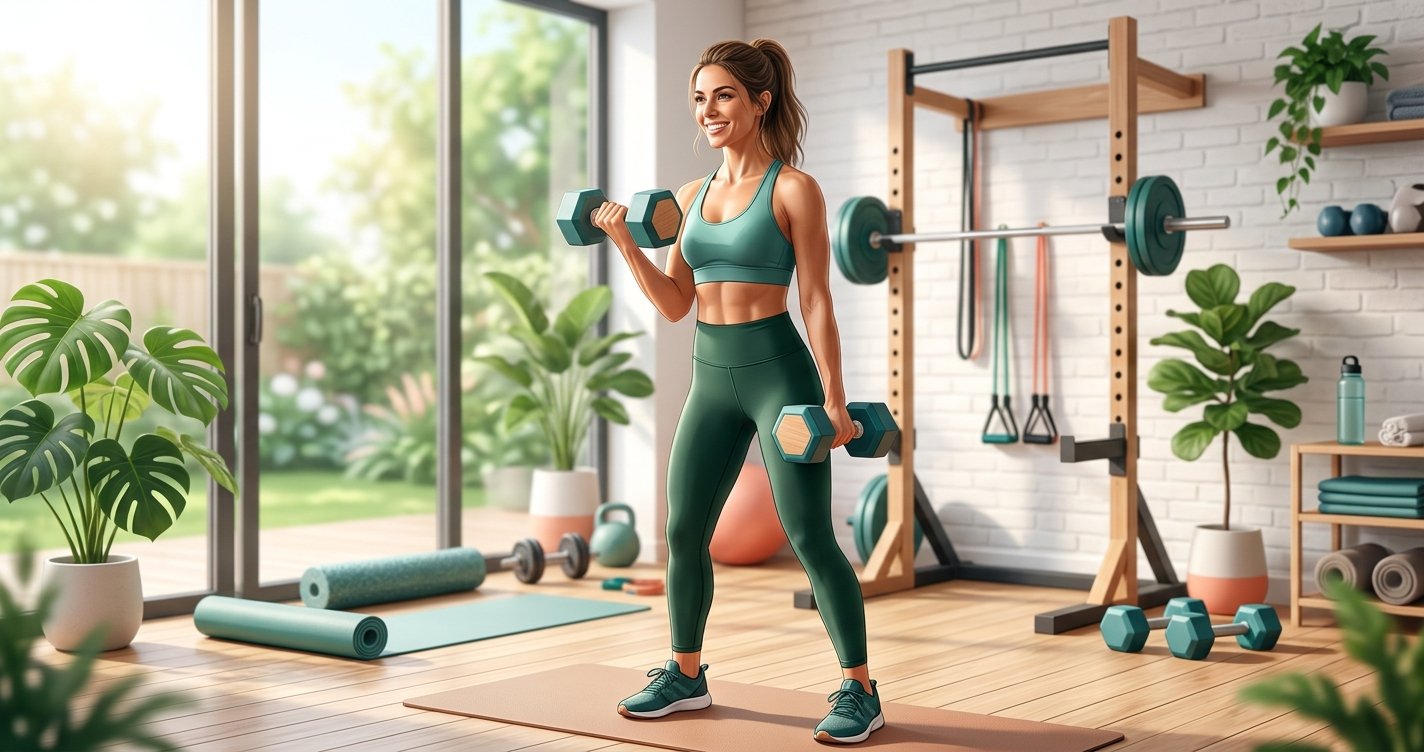
When you think about fat loss, what’s the first thing that comes to mind? For many, it’s hours on the treadmill, endless cardio sessions, and strict diets. While these certainly play a role, there’s a powerful, often overlooked, and incredibly effective tool in your fat loss arsenal: strength training. Forget the misconception that lifting weights is just for bodybuilders or elite athletes. For anyone looking to shed body fat, sculpt their physique, and build a healthier, stronger body, strength training isn’t just an option – it’s a game-changer. Let’s dive into why this ‘unsung hero’ deserves a starring role in your journey.
Beyond the Scale: What “Fat Loss” Really Means
Before we champion strength training, let’s clarify our goal. “Weight loss” and “fat loss” are often used interchangeably, but they are fundamentally different. Losing weight can mean losing water, muscle, or fat. True, sustainable fat loss, however, focuses specifically on reducing your body’s fat stores while ideally preserving or even building precious muscle mass. this excellent wellness product
Fat Loss vs. Weight Loss: The Crucial Difference
Imagine two people who both lose 10 pounds. One person achieves this through extreme calorie restriction and lots of cardio, losing 5 pounds of fat and 5 pounds of muscle. The other incorporates strength training and a moderate calorie deficit, losing 8 pounds of fat and only 2 pounds of muscle. Who looks and feels better? Who has a healthier metabolism? The one who prioritized fat loss over mere weight loss, hands down.
The Metabolic Magic of Muscle
Here’s the secret weapon: muscle is metabolically active tissue. This means it burns more calories at rest than fat tissue does. While the difference per pound isn’t astronomical, accumulating even a few extra pounds of muscle can significantly increase your basal metabolic rate (BMR), the number of calories your body burns just to exist. This creates a more efficient, fat-burning machine, even when you’re just sitting on the couch.
The Core Mechanisms: How Strength Training Melts Fat
So, how exactly does lifting weights contribute to shedding those stubborn fat layers? It’s a multi-faceted approach, working on several fronts to optimize your body for fat loss.
Boosting Your Metabolism (Even at Rest!)
As mentioned, muscle is more metabolically active. When you strength train, you signal your body to build and repair muscle. The more muscle you have, the higher your BMR. This means you’ll burn more calories throughout the day, every day, just by having a stronger, more muscular physique. It’s like giving your internal engine a permanent tune-up.
The EPOC Effect: Burning Calories Post-Workout
Strength training sessions are intense, and your body needs significant energy to recover and repair the muscle fibers you’ve worked. This process is known as Excess Post-exercise Oxygen Consumption (EPOC), often called the “afterburn effect.” For hours, and sometimes even a full day or more after a challenging strength workout, your body continues to burn calories at an elevated rate to restore itself to its pre-exercise state. This prolonged calorie expenditure adds up significantly over time.
Preserving Muscle Mass During a Calorie Deficit
To lose fat, you generally need to be in a calorie deficit (consuming fewer calories than you burn). Without strength training, a calorie deficit often leads to both fat and muscle loss. Incorporating resistance training sends a crucial signal to your body: “Keep this muscle, we need it!” This helps ensure that the weight you’re losing is predominantly fat, not the metabolically precious muscle you’ve worked hard for.
Improving Insulin Sensitivity and Hormone Balance
Regular strength training can significantly improve your body’s insulin sensitivity. When your cells are more responsive to insulin, glucose (sugar) is more efficiently transported into your muscles for energy, rather than being stored as fat. This can lead to better blood sugar control and a reduced tendency for fat storage. Moreover, strength training can positively influence other fat-regulating hormones, creating a more favorable environment for fat loss.
Practical Steps to Get Started with Strength Training
Ready to embrace the weights? Here’s how to begin your journey safely and effectively.
Finding Your Starting Point: Bodyweight, Bands, or Weights?
You don’t need a fancy gym membership to start. Bodyweight exercises (squats, push-ups, lunges, planks) are excellent for beginners. Resistance bands offer an affordable and versatile step up, providing progressive resistance. As you get stronger, free weights (dumbbells, barbells) and machines in a gym offer a wider range of exercises and resistance levels.
Crafting a Balanced Routine: Full Body vs. Splits
For most people, especially beginners, a full-body workout performed 2-3 times a week on non-consecutive days is highly effective. This allows you to hit all major muscle groups and provides adequate recovery time. As you advance, you might consider a “split” routine, focusing on different muscle groups on different days (e.g., upper body/lower body).
Progressive Overload: The Key to Continuous Progress
To keep getting stronger and stimulating muscle growth, you need to challenge your muscles progressively. This means gradually increasing the weight you lift, the number of repetitions, the number of sets, or decreasing rest times. Your muscles adapt quickly, so to keep seeing results, you must continually ask more of them.
The Importance of Proper Form and Recovery
Always prioritize proper form over heavy weight. Incorrect form can lead to injury and reduce the effectiveness of the exercise. If unsure, watch instructional videos, use a mirror, or consider a session with a certified personal trainer. Equally important is recovery: allow your muscles 24-48 hours to repair and grow between training sessions for the same muscle group. Don’t forget adequate sleep!
Fueling Your Strength: Nutrition for Optimal Results
Your diet plays a critical role in supporting your strength training efforts and fat loss goals.
Prioritizing Protein for Muscle Growth and Satiety
Protein is the building block of muscle. Ensure you’re consuming enough protein (aim for roughly 0.7-1 gram per pound of body weight) to support muscle repair and growth. Protein also helps you feel fuller for longer, which can be invaluable when in a calorie deficit.
Carbs and Fats: Energy for Your Workouts
Don’t demonize carbs or fats! Healthy carbohydrates provide the energy needed to power through your workouts, while healthy fats are essential for hormone production and overall health. Focus on whole, unprocessed sources for both.
Debunking Common Myths: What Strength Training Won’t Do
Let’s clear up some common misunderstandings that might be holding you back.
“Bulking Up” (Especially for Women)
Many women fear that lifting weights will make them “bulky.” This is a pervasive myth. Women typically have much lower levels of testosterone, the primary hormone responsible for significant muscle mass, making it very difficult to build large, bulky muscles without extremely specific training, diet, and often, supplementation that goes beyond natural means. Instead, you’ll likely achieve a lean, toned, and strong physique.
Spot Reduction
You can’t choose where your body loses fat from. Doing endless crunches won’t specifically burn fat from your belly. Strength training, combined with a calorie deficit, helps reduce overall body fat, which will eventually lead to fat loss from all areas, including your “problem spots.”
Conclusion: Embrace the Strength Within
Strength training is far more than just a way to build big muscles; it’s a cornerstone of effective, sustainable fat loss and overall health. It transforms your body into a more efficient fat-burning machine, preserves precious muscle, boosts your metabolism, and provides a host of other benefits like improved bone density, better mood, and increased confidence. It’s an investment in your long-term well-being, not just a quick fix for the scale.
So, step away from the cardio machine for a bit, pick up those weights, and discover the incredible power you have within you. Embrace the journey of getting stronger, and watch as your body transforms, becoming leaner, more resilient, and healthier than ever before. Your ‘unsung hero’ is waiting to help you achieve your goals!