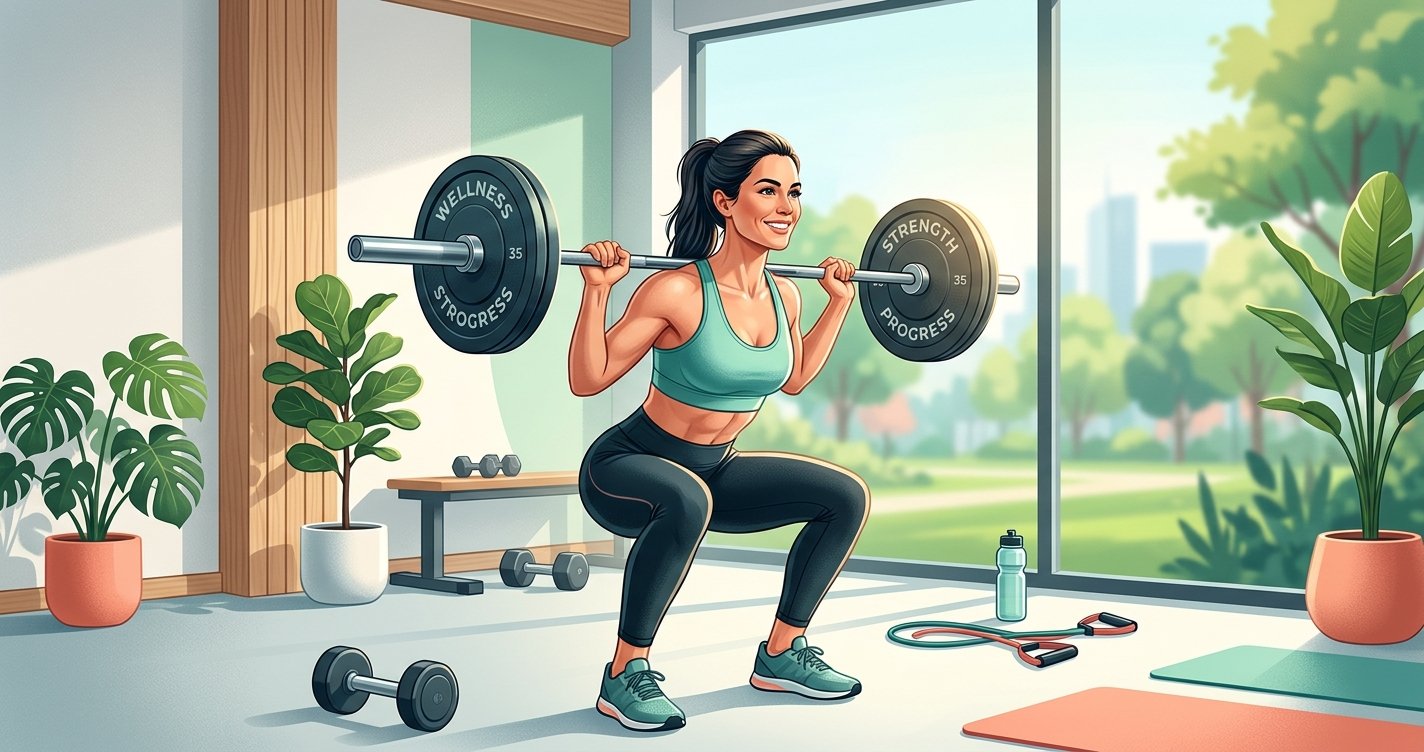
Unlock Your Body's Potential: Why Strength Training is Your Best Friend for Fat Loss
When you think about fat loss, what's the first thing that comes to mind? For many, it's endless hours on the treadmill or restrictive diets. While cardio and nutrition are certainly important pieces of the puzzle, there's one powerful tool often overlooked that can truly transform your body and accelerate your fat loss journey: strength training. Forget bulky stereotypes; lifting weights is for everyone, and it's a game-changer for shedding fat, building a lean physique, and boosting your overall health. Let's dive into why strength training isn't just a good idea for fat loss, it's an essential one.
Beyond the Scale: Why Strength Training is a Fat Loss Game-Changer
While the number on the scale can be a useful metric, it doesn't tell the whole story. Strength training shifts your focus from just 'losing weight' to 'losing fat' and 'building a stronger, healthier body.' This distinction is crucial for sustainable, long-term success. this excellent wellness product
The Metabolism Boost: It's All About Muscle
Here's a fantastic truth: muscle tissue is metabolically more active than fat tissue. This means that the more muscle you have, the more calories your body burns at rest, even when you're just sitting on the couch or sleeping! When you strength train, you build and preserve muscle mass, which directly translates to a higher resting metabolic rate (RMR). Think of it as turning your body into a more efficient, 24/7 fat-burning machine.
Sculpting Your Body: More Than Just Weight Loss
Ever noticed how some people lose weight but still don't have the shape they desire? That's often because they've lost both fat and muscle. Strength training helps you achieve what's known as 'body recomposition' – you lose fat while simultaneously building muscle. This results in a leaner, more toned, and sculpted physique that looks and feels incredible. You'll not only fit better into your clothes, but you'll also love what you see in the mirror.
The Afterburn Effect: Burning Calories Long After Your Workout
Another fantastic benefit of lifting weights is the 'afterburn effect,' scientifically known as Excess Post-exercise Oxygen Consumption (EPOC). Unlike steady-state cardio, which primarily burns calories during the activity itself, intense strength training causes your body to continue burning extra calories for hours, and sometimes even a full day, after your workout. This is because your body needs to expend energy to recover, repair muscle tissue, and return to its pre-exercise state. It's like getting a bonus calorie burn just for working out!
Getting Started: Your Strength Training Journey for Fat Loss
Ready to pick up some weights but not sure where to begin? Don't worry, it's simpler than you think. The key is consistency and smart progression.
Choosing Your Weapons: Free Weights vs. Machines vs. Bodyweight
- Free Weights (Dumbbells, Barbells, Kettlebells): Excellent for functional strength, engaging stabilizer muscles, and offering a wide range of motion. Great for all levels once you learn proper form.
- Machines: Often easier for beginners as they guide your movement, providing stability. Good for isolating specific muscle groups.
- Bodyweight Exercises: Perfect for starting anywhere, anytime. Think squats, lunges, push-ups, planks. Builds foundational strength and body awareness.
The best approach often involves a mix, or starting with what feels most comfortable and accessible to you.
Building a Smart Routine: Focus on Compound Movements
When designing your routine, prioritize compound exercises. These movements work multiple muscle groups and joints simultaneously, making them incredibly efficient for fat loss and muscle building. Examples include:
- Squats: Works glutes, quads, hamstrings, core.
- Deadlifts: Works almost every muscle in your body, especially the back, glutes, and hamstrings.
- Bench Press (or Push-ups): Works chest, shoulders, triceps.
- Overhead Press: Works shoulders, triceps, core.
- Rows: Works back, biceps.
Aim for 2-4 strength training sessions per week, allowing for rest days in between to help your muscles recover and grow.
Progressive Overload: The Secret to Continuous Progress
To keep building muscle and getting stronger, you need to challenge your body continually. This is called progressive overload. It means gradually increasing the demands on your muscles over time. This can be done by:
- Lifting heavier weights.
- Doing more repetitions with the same weight.
- Increasing the number of sets.
- Reducing rest time between sets.
- Improving your form.
Always prioritize proper form to prevent injury and maximize effectiveness.
Fueling Your Progress: Nutrition's Role in Strength Training & Fat Loss
You can't out-train a bad diet. Nutrition and strength training go hand-in-hand. To effectively lose fat and support muscle growth, smart eating is essential.
Protein Power: The Muscle-Building & Satiety Champion
Protein is your best friend when you're strength training for fat loss. It's crucial for repairing and building muscle tissue. Plus, protein is incredibly satiating, meaning it helps you feel fuller for longer, which can prevent overeating and reduce cravings. Aim for high-quality protein sources like lean meats, poultry, fish, eggs, dairy, legumes, and protein supplements if needed.
Smart Carbs & Healthy Fats: Energy for Performance
Don't demonize carbohydrates! They are your body's primary source of energy, especially important for fueling intense workouts. Focus on complex carbohydrates like whole grains, fruits, and vegetables. Healthy fats (avocado, nuts, seeds, olive oil) are also vital for hormone production and overall health. Balance is key!
The Calorie Sweet Spot: Creating a Deficit Without Starving Your Gains
To lose fat, you generally need to be in a slight calorie deficit – consuming slightly fewer calories than your body burns. However, it's important not to go too low, as this can hinder muscle growth and energy levels. Aim for a moderate, sustainable deficit that allows for gradual fat loss (1-2 pounds per week) while still providing enough energy and nutrients to support your strength training efforts.
Common Misconceptions & Encouraging Truths
Let's bust some myths and empower you with knowledge!
"I Don't Want to Get Bulky": Dispelling the Myth for Women
This is perhaps the most common fear, especially among women. The truth is, it's incredibly difficult for most women to "get bulky" from strength training. Women naturally have much lower levels of testosterone, the hormone primarily responsible for significant muscle mass growth. Instead, you'll likely develop a lean, toned, and strong physique, not a bulky one.
The Scale Isn't the Only Measure: Tracking Progress Beyond Weight
As you build muscle and lose fat, your body composition changes. Muscle is denser than fat, so you might not see the scale drop dramatically, or it might even stay the same for a while. This doesn't mean you're not making progress! Focus on other metrics:
- Body Measurements: Track inches lost from your waist, hips, arms, and thighs.
- Progress Photos: Take pictures every few weeks to visually see changes.
- Strength Gains: Are you lifting heavier? Doing more reps? That's progress!
- How Your Clothes Fit: This is often the most rewarding indicator.
- Energy Levels & Mood: Notice your improved vitality and mental well-being.
Consistency Over Intensity (Initially): Building Sustainable Habits
It's great to be enthusiastic, but remember that fat loss and muscle gain are marathon, not a sprint. Focus on building consistent habits rather than pushing yourself to exhaustion every single session, especially when starting. Show up, do your best, and trust the process. Consistency is the true key to long-term success.
Integrating Strength Training into Your Lifestyle
Making strength training a regular part of your routine doesn't have to be a chore; it can be an empowering and enjoyable part of your week.
Finding Your Rhythm: Scheduling Workouts That Stick
Look at your schedule and identify realistic times for 2-4 strength training sessions. It could be early morning, during your lunch break, or after work. Treat these appointments with yourself as non-negotiable. Consistency builds momentum.
The Importance of Recovery: Sleep, Hydration, and Rest Days
Your muscles don't grow in the gym; they grow during recovery. Prioritize 7-9 hours of quality sleep each night. Stay well-hydrated throughout the day, especially around your workouts. And don't skip your rest days – they're crucial for muscle repair and preventing burnout.
Your Stronger, Leaner Future Awaits!
Strength training is far more than just lifting weights; it's an investment in your health, your confidence, and your body's incredible potential. By embracing this powerful form of exercise, you're not just chasing a number on the scale; you're building a stronger metabolism, sculpting a leaner physique, and fostering a sustainable, healthier lifestyle. So, ditch the fear of the weights, embrace the challenge, and get ready to transform your body from the inside out. Your journey to a stronger, leaner, and more vibrant you starts now!